
The Climate-Conflict Nexus in the Lake Chad Basin: Complexity Beyond Simplistic Narratives
The Lake Chad Basin has become one of the world’s most frequently cited examples of how climate change, insecurity, and governance pressures intersect. With over 50 million people across Nigeria, Niger, Chad, and Cameroon, the region supports livelihoods that depend almost solely on natural resources, particularly fishing, farming, and pastoralism.
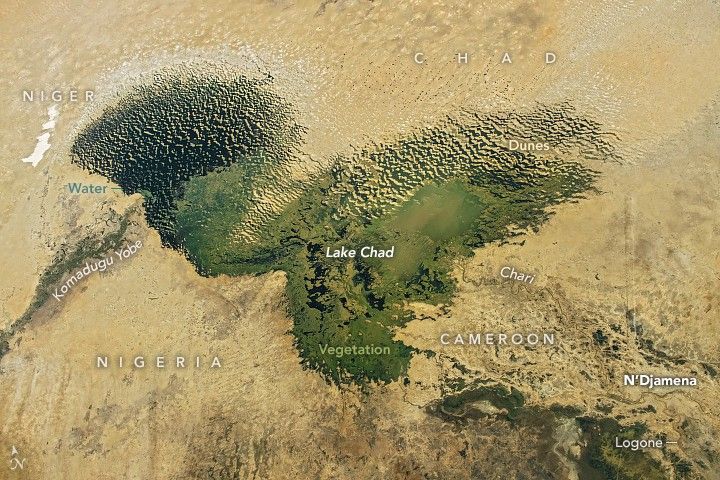
Over the past six decades, the basin has undergone dramatic environmental change. Lake Chad itself, once one of Africa’s largest freshwater lakes, has shrunk by more than 90 per cent since the 1960s. At its peak the lake covered around 25,000 km², but in some recent years it has fluctuated to less than 1,500 km². Declining rainfall across the Sahel, rising regional temperatures, and increased water extraction for irrigation have all contributed to this transformation.
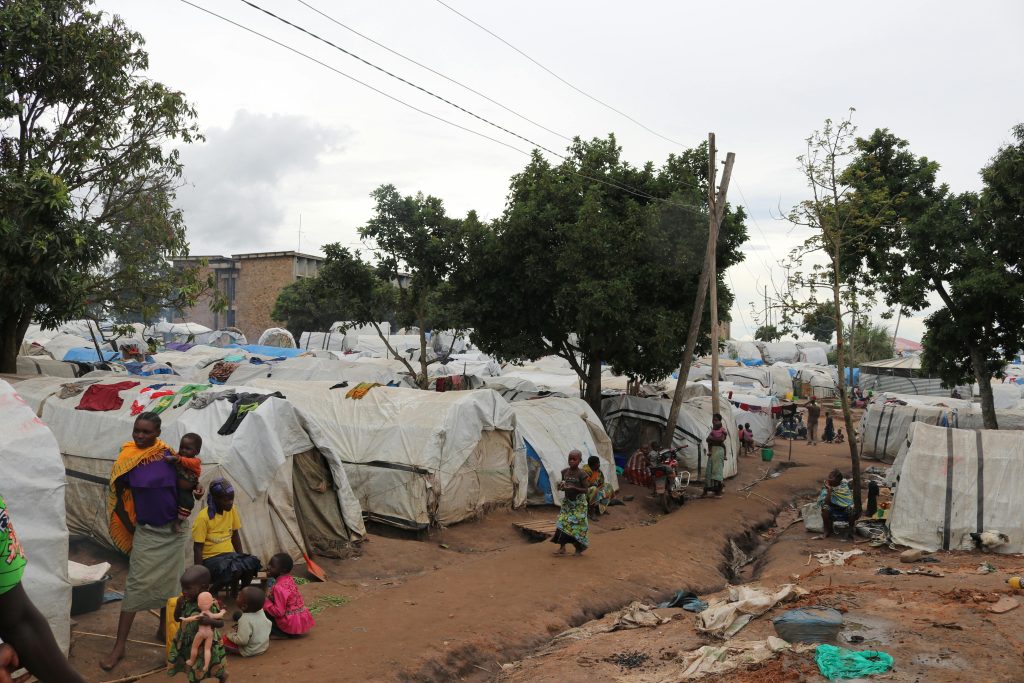
These environmental pressures interact with demographic growth, weak governance, and persistent insecurity. The basin’s population has more than tripled since the 1960s, dramatically increasing demand for land, water, and food. At the same time, the region has experienced more than a decade of violent insurgency linked to Boko Haram and Islamic State West Africa Province (ISWAP), which has displaced an estimated 2.9 million people and disrupted local economies.
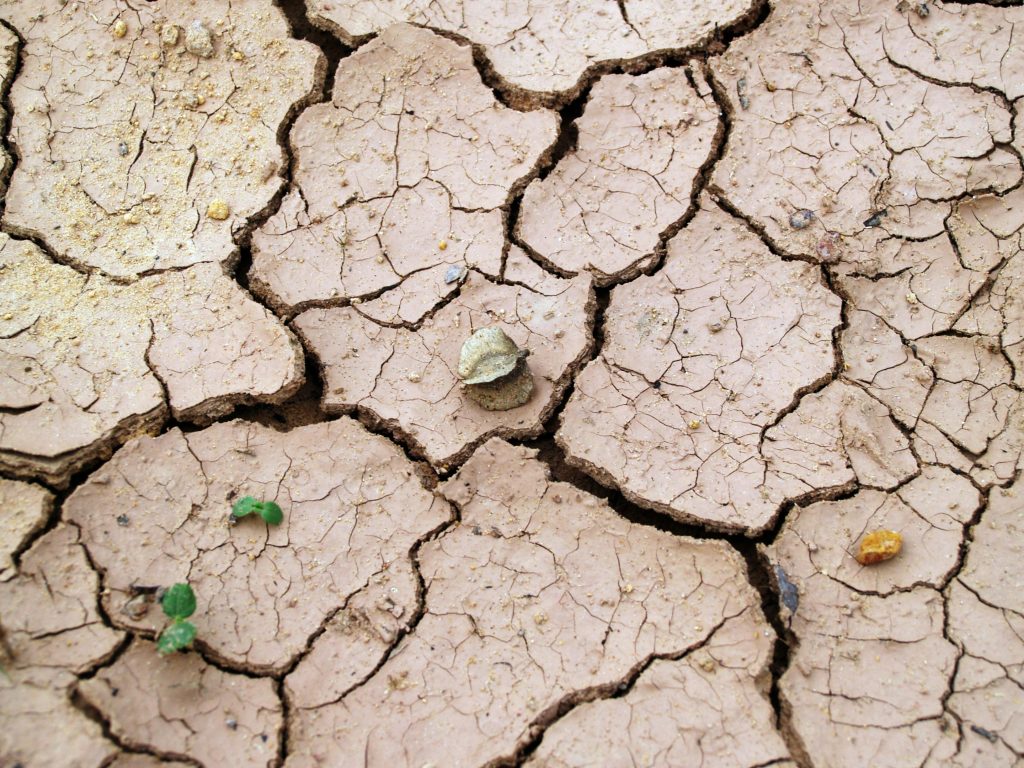
Climate change is often described as a “threat multiplier” in this context. Environmental stress does not directly cause conflict, but it intensifies these existing vulnerabilities by increasing pressure on livelihoods and food systems. In the Lake Chad Basin, climate change operates alongside other political and economic pressures, shaping the conditions in which insecurity can emerge.
Compounding Risk Factors in the Lake Chad Basin
Environmental Stress: Climate as a Threat Multiplier
The environmental changes affecting the Lake Chad Basin are occurring within a broader pattern of rapid warming across the Sahel. Temperatures in the region have risen approximately 1.5 times faster than the global average, with some parts of the basin experiencing increases of nearly 2 °C since the 1960s.
These changes are having measurable impacts on agriculture. In many parts of the region, farming remains almost entirely dependent on rainfall. Research suggests that for every 1°C increase above 20°C, agricultural productivity can fall by around 2 per cent, placing additional pressure on already fragile food systems.
Rainfall patterns have also become increasingly unpredictable. Droughts are more frequent, while extreme rainfall events over the past decade have caused severe flooding across the region. In 2024 alone, over 236,000 people were affected by flooding, with more than 250 deaths reported across multiple Boko Haram-affected provinces.
Environmental shocks can quickly escalate into humanitarian crises in this context. In Nigeria, torrential rain caused a dam south of Maiduguri to burst, damaging 40 percent of the city and forcing nearly 2 million had to abandon their homes.
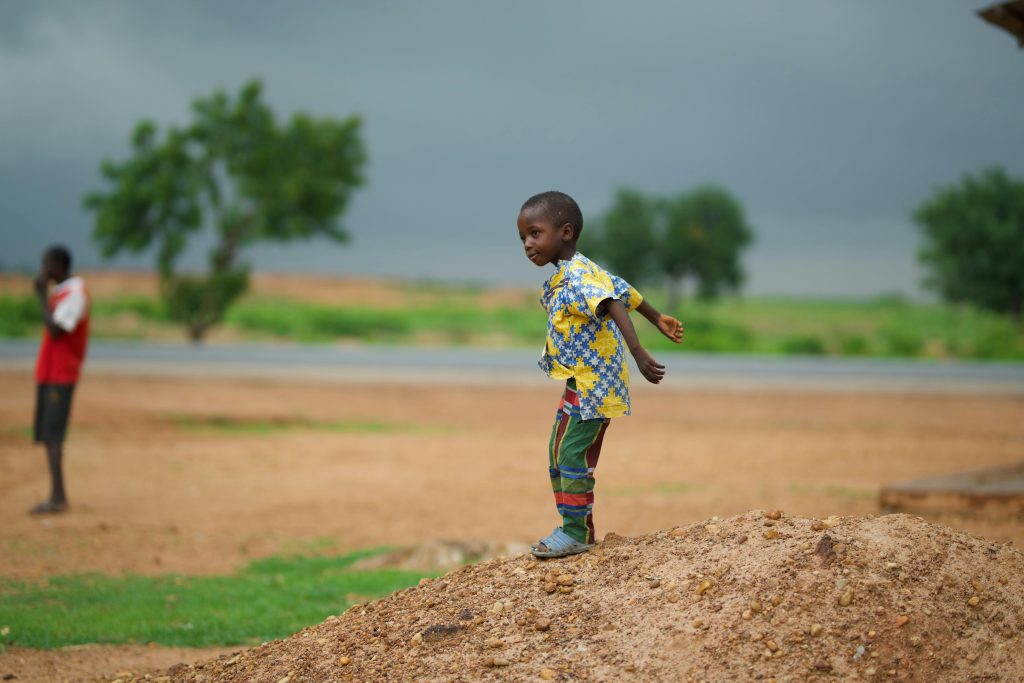
The environmental pressures affecting the basin are particularly significant because most households depend on climate-sensitive livelihoods. Agriculture, livestock, and fishing together support around 80 to 90 per cent of the population, making economic stability closely tied to rainfall and water availability. Climate change therefore acts as a threat multiplier: it amplifies existing vulnerabilities rather than independently causing violence.
Livelihood Pressures and Inter-Community Competition
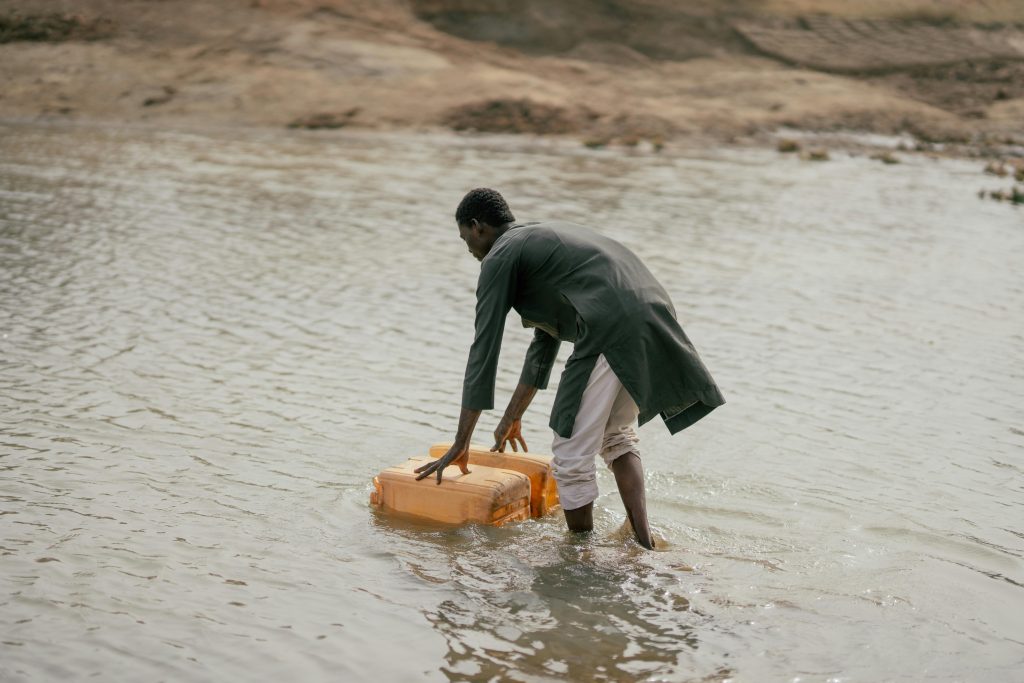
Environmental change is reshaping how communities interact with land and water throughout the Lake Chad Basin. As grazing areas shrink and rainfall becomes less predictable, farmers, herders, and fishing communities are increasingly operating within the same limited spaces. In 2025, around 4.9 million people in the region were facing phase 3 and 4 of food insecurity, including over 3.7 million in Nigeria alone.
Pastoralist groups, such as Fulani Herdsmen, traditionally move livestock across long-established migration routes in search of seasonal pasture and water. As water sources disappear or farmland expands into grazing corridors, these migration patterns have become more difficult to maintain. This has often led to conflicts with sedentary populations. Similar shifts can be observed in groups such as the Buduma, historically associated with fishing on Lake Chad, who have had to relocate activities as the lake’s shoreline changes.
These shifts can disrupt longstanding informal agreements governing access to land and water. When pastoral migration intersects with cultivated farmland, or when fishing communities move into new territories, disputes can emerge between communities whose livelihoods depend on the same resources.
Insurgency and Economic Vulnerability
The security crisis in the Lake Chad Basin is inseparable from the long-running insurgency led by Boko Haram and its splinter faction Islamic State West Africa Province (ISWAP). Since the insurgency began in 2009 in northeastern Nigeria, the conflict has expanded across borders into Niger, Chad, and Cameroon, transforming the basin into one of Africa’s most complex regional security crises. The violence has killed more than 35,000–40,000 people, creating one of the world’s largest humanitarian emergencies.
Armed groups operating around Lake Chad have developed sophisticated insurgent economies that rely on controlling territory, taxation, and local trade. Fishing communities and traders operating on islands and lakeside markets have frequently been required to pay levies in exchange for access to fishing grounds or safe passage along transport routes. These systems allow insurgent groups to generate revenue while embedding themselves within local economic networks.
Internal divisions within the insurgency have also reshaped the conflict. In 2016, Boko Haram split after a dispute over leadership and strategy, leading to the emergence of ISWAP as a separate faction aligned with the Islamic State. Competition between the two groups has intensified violence in parts of the basin, with a recent clash in 2025 resulting in the deaths of more than 200 fighters. These are battles over territory, taxation rights, and recruitment networks occurring across islands and settlements around the lake.
Importantly, the rise of insurgent groups in the Lake Chad Basin cannot be explained by environmental pressures alone. Political marginalisation, weak governance, and limited economic opportunities have created conditions in which armed groups can recruit and operate.
The Fragmented International Response
Despite significant international attention and financial assistance, including hundreds of millions of dollars in development aid from institutions such as the World Bank and bilateral donors, responses in the Lake Chad Basin have often been fragmented. Regional strategies implemented through the Lake Chad Basin Commission, and supported by the African Union, have sought to manage security, governance, and resilience objectives. While these efforts have achieved modest successes, such as reductions in large‑scale violence in certain areas and support for some displaced families’ return, they have not been able to transform the real drivers of insecurity at scale.
In The International Risk Podcast’s interview with two researchers from the Norwegian Institute of International Affairs (NUPI), Cedric de Coning and Andrew E. Yaw Tchie, they identified three key implementation gaps that help explain why these responses have underperformed.
- Security‑Adaptation Imbalance: Stabilization efforts aimed at reducing insurgent violence have, in some cases, outpaced investments in climate adaptation and resource security. As a consequence, the pressures generated by environmental stress continue to fuel new disputes between communities even where extremist violence has waned.
- Design‑Localisation Disconnect: High‑level policies often fail to translate effectively into locally tailored interventions that address immediate livelihood needs. Community actors frequently report limited contact with regional strategies designed at distant policy tables.
- Ambition‑Capacity Mismatch: The scale of the interconnected challenges, climate variability, demographic pressure, weak institutions, and persistent conflict, outweighs the resources and coordination capacity currently mobilised. Even well‑intentioned programs struggle to transform everyday experiences of food insecurity and water scarcity.
The Lake Chad Basin demonstrates how environmental change, demographic pressure, violent extremism, and governance challenges can combine to produce complex security risks. Climate change alone does not explain the region’s instability. However, it intensifies pressures on land, water, and livelihoods, increasing the likelihood that existing tensions may escalate into conflict. Understanding these dynamics is essential not only for the Lake Chad Basin but also for other regions facing similar intersections of climate stress and political fragility. Addressing these challenges will require strengthening governance, supporting climate-resilient livelihoods, and empowering communities to adapt to environmental change while maintaining peaceful resource management.

One Comment