
Systemic Conflict and Global Shockwaves: Rethinking the Structure of Modern Warfare
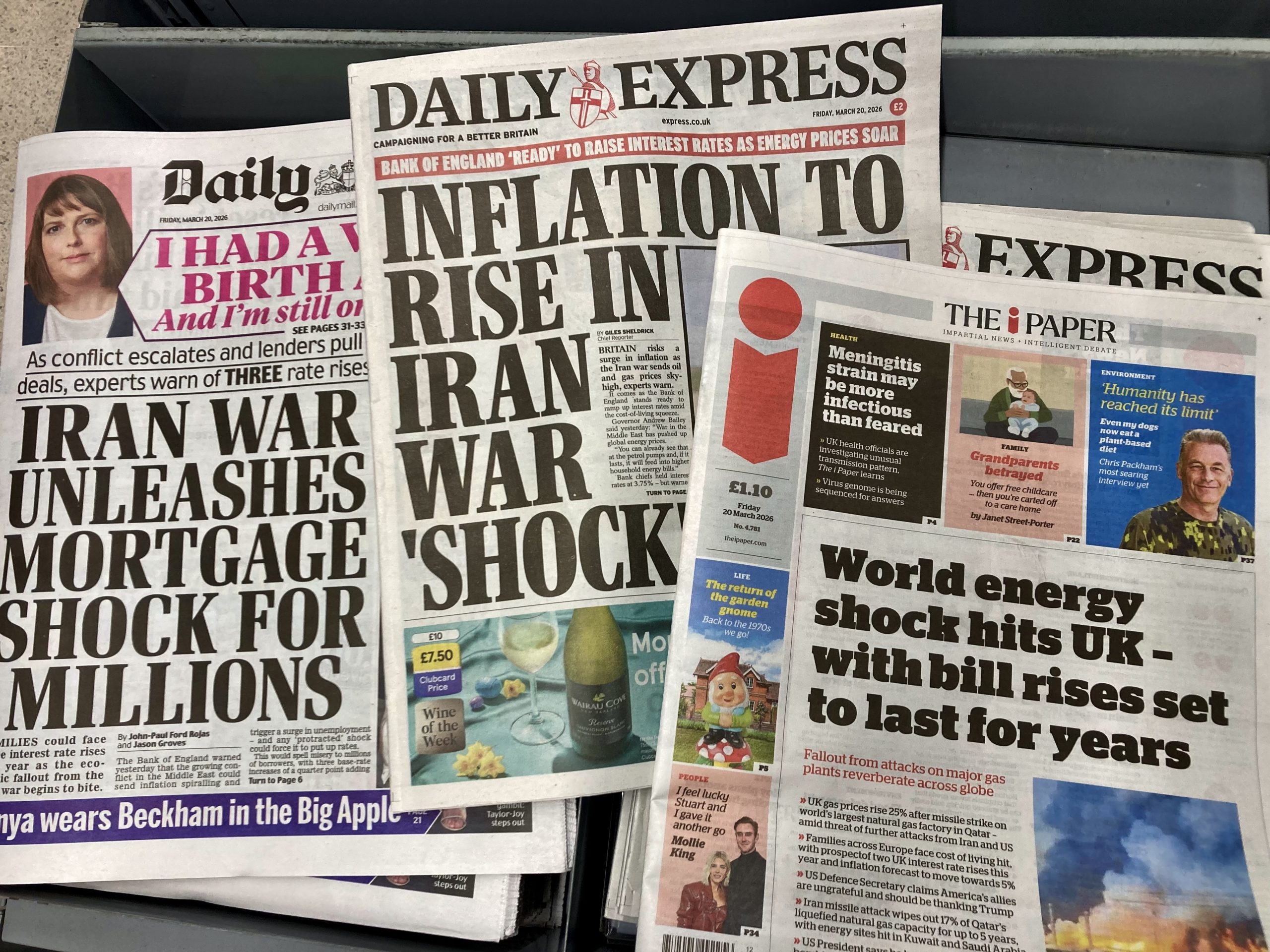
Conflict has traditionally been understood as a transition from peace to war, defined by identifiable actors, geographic boundaries, and military engagements. Increasingly, however, this framework is becoming difficult to sustain. Contemporary conflict is less a discrete event and more a continuous process unfolding across multiple domains simultaneously, from military operations and cyber activity to financial markets, energy systems, and global supply chains.
As Dr Jamie Shea argues in his recent interview on The International Risk Podcast, this reflects a fundamental shift in how conflict operates, where its effects are no longer contained within the battlefield, but propagate across interconnected systems in real time.

The Expansion of Conflict Beyond the Battlefield
One of the defining characteristics of contemporary conflict is the way its effects extend far beyond the immediate theatre of operations. While military activity remains highly visible, its secondary and tertiary impacts are often more significant and more enduring.
Energy markets, trade routes, and financial systems are increasingly exposed to disruption. As Dr Shea notes, conflicts now generate ripple effects that impact regions far removed from the actors directly involved, creating economic and political consequences on a global scale.
This expansion of conflict into systemic domains means that states not directly involved in hostilities may nonetheless bear substantial costs. In recent confrontations, regions heavily dependent on energy imports or critical trade routes have experienced disproportionate economic strain, despite having no direct role in the conflict itself.
The Rise of Systemic Risk
These dynamics point to a broader transformation in the nature of risk. Conflict is no longer simply destructive in a direct sense, but operates as a stress multiplier across global systems.
The concept of “collateral damage” has evolved. Rather than being limited to physical destruction, it now encompasses systemic disruption, affecting supply chains, inflation, food security, and economic stability. Dr Shea highlights how such effects can persist long after hostilities formally end, reshaping geopolitical and economic conditions for years.
This raises important questions about the true cost of conflict. Where ripple effects exceed the direct impact of military operations, traditional measures of success and failure become increasingly difficult to apply.
Destruction vs Disruption
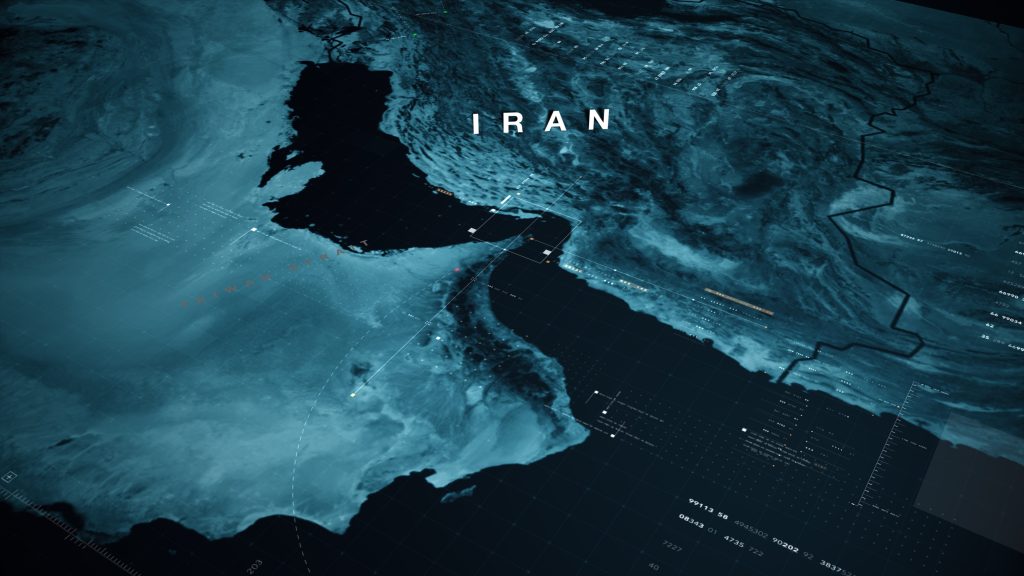
A central tension in modern conflict lies in the choice between destruction-based and disruption-based strategies.
Destruction strategies, targeting infrastructure and physical assets, aim to impose immediate costs on an adversary. However, as Dr Shea observes, such approaches often prove less effective against actors capable of absorbing significant levels of damage, particularly where political or societal resilience is high.
By contrast, disruption strategies focus on economic pressure, access denial, and systemic vulnerabilities. These approaches operate across supply chains, energy flows, and financial systems, often producing more sustained effects with fewer immediate costs.
The increasing prominence of disruption reflects the structure of modern interdependence. In highly connected systems, relatively targeted interventions can generate disproportionate consequences.
Interdependence and Vulnerability
The growing importance of systemic disruption highlights a deeper issue: the extent to which global interdependence has become a source of vulnerability.
Energy dependence, maritime chokepoints, and concentrated supply chains create structural exposure to disruption. As Dr Shea notes, these vulnerabilities are not new, but contemporary conflict has made them more visible and more consequential.
Repeated crises have demonstrated how easily these systems can be exploited, whether through direct action or indirect pressure. Yet despite this, policy responses often remain reactive, focused on short-term mitigation rather than long-term structural resilience.
Technology, Scale, and Constraint
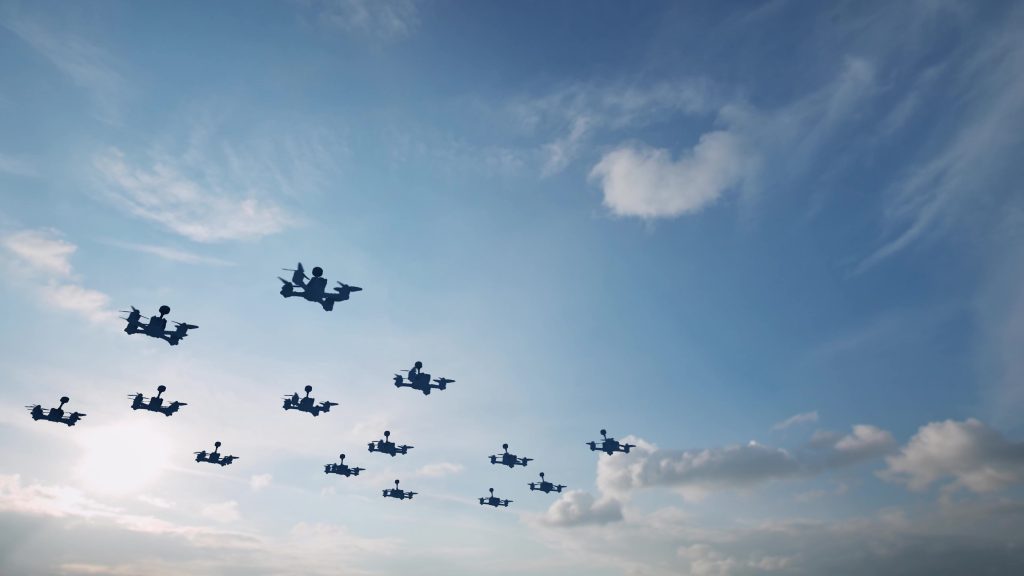
Technological developments are further accelerating these dynamics. Advances in artificial intelligence, cyber capabilities, and unmanned systems are increasing the speed and scale at which conflict can be conducted.
As Dr Shea highlights, emerging technologies enable a dramatic increase in operational tempo, allowing actors to process and act on far greater volumes of information and targets than in previous conflicts.
However, this expansion of capability is not without constraint. Logistical systems, industrial capacity, and supply chains remain limiting factors. As operations scale up, sustaining them becomes increasingly difficult, exposing the tension between technological capability and material constraint.
The Erosion of Deterrence
Perhaps the most significant implication of these developments lies in their impact on deterrence.
Traditional models of deterrence rely on predictability, clear signalling, and the credible threat of response. In a fragmented, multi-domain conflict environment, these conditions are increasingly difficult to maintain.
Dr Shea argues that there has been a growing shift away from prevention towards reaction, with greater emphasis placed on how conflicts are fought rather than how they might be avoided.
This shift raises concerns about the lowering of thresholds for conflict initiation. Where risks are diffused across systems and consequences are less immediately visible, the perceived cost of escalation may be reduced.
Rethinking Strategic Stability
Taken together, these dynamics suggest that strategic stability can no longer be understood solely in military terms.
Conflict now operates across interconnected systems, where economic, technological, and infrastructural factors play a central role in shaping outcomes. As a result, stability depends not only on military balance, but on the resilience of the systems through which conflict effects are transmitted.
This requires a shift in perspective. Rather than treating conflict as a discrete event, it must be understood as a systemic phenomenon, one that interacts with and reshapes the broader structures of the global order.
As Dr Shea concludes, the challenge is not only how to manage conflict once it occurs, but how to restore and adapt mechanisms of deterrence to prevent it in the first place.



This really helped me a lot.