Egypt–Israel Relations: Between Strategic Necessity and Enduring Suspicion
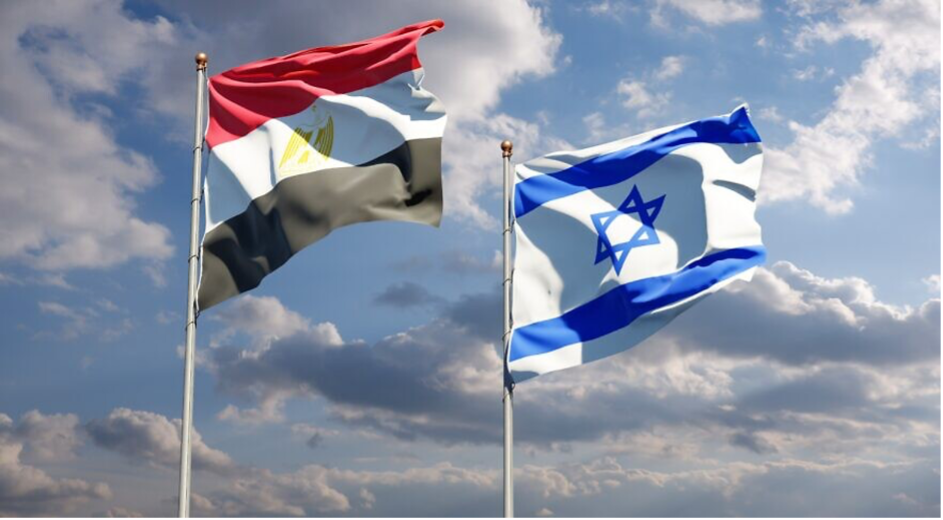
Very few bilateral relationships in the Middle East are as paradoxical as the one between Egypt and Israel. The two countries are bound together historically, geographically and diplomatically, one could say. They share what is today the region’s longest-standing peace treaty -the 1979 Egypt–Israel Peace Treaty-, but their relationship is characterized by strategic cautiousness and distance. Today, cooperation between Cairo and Jerusalem, especially in relation to Gaza, is both indispensable and fragile. As former Egyptian diplomat Hesham Youssef explained in conversation with Dominic Bowen, the relationship often feels like a mix of obligation, pressure, and some kind of mistrust, where collaboration is driven by crisis and divergent visions. To understand why this is so, one must trace decades of war, diplomacy, security coordination, shifting U.S. policy, and the centrality of the Palestinian question to Egyptian national identity.
Historical trajectory: Early hostility, the era of Arab Nationalism, and what led to Camp David

The roots of Egypt–Israel relations lie in open hostility. In 1948, when the United Nations adopted Resolution 181 endorsing the partition of the British Mandate of Palestine, Arab states rejected the plan, and a war against Israel followed, counting Egyptian forces as the belligerent. Ultimately, Israel was established, and the armistice left Gaza under Egyptian control. This period left a mark on Egyptian political consciousness and the Palestinian cause became both a moral and strategic priority. Egypt’s participation in the conflicts that followedreinforced the mutual mistrust -including the Six-Day War of 1967, when Israel got hold ofthe Sinai Peninsula. This event left Egypt feeling amputated and in need to regain lost territory, shaping its foreign policy.
Under President Gamal Abdel Nasser in the 1950s and 1960s, Egypt positioned itself as the leader of Arab nationalism and firmly opposed Israel’s existence, committing to anti-Zionism as both an ideology and a geopolitical necessity for the sovereign it represented. During the Suez Crisis of 1956, initiated after Nasser nationalized the Suez Canal, Israel joined Britain and France militarily against Egypt, a choice which deepened Arab hostility toward Israel.
The October 1973 War, also called the Kippur War, marked a turning point. Launched by Egypt and Syria to recover lost territories, it didn’t produce dramatic territorial changes, but did restore a sense of dignity and tactical leverage to Egypt. President Anwar el-Sadat realized that regaining Sinai permanently required negotiation with Israel and engagement with the United States. This shift was translated into the Camp David Accords of 1978 and the Egypt–Israel Peace Treaty of 1979, under which Israel agreed to gradually withdraw from the Sinai, and Egypt became the first Arab state to formally recognize Israel.
Egypt and the Arab League: why Egypt-Israeli peace comes at great cost
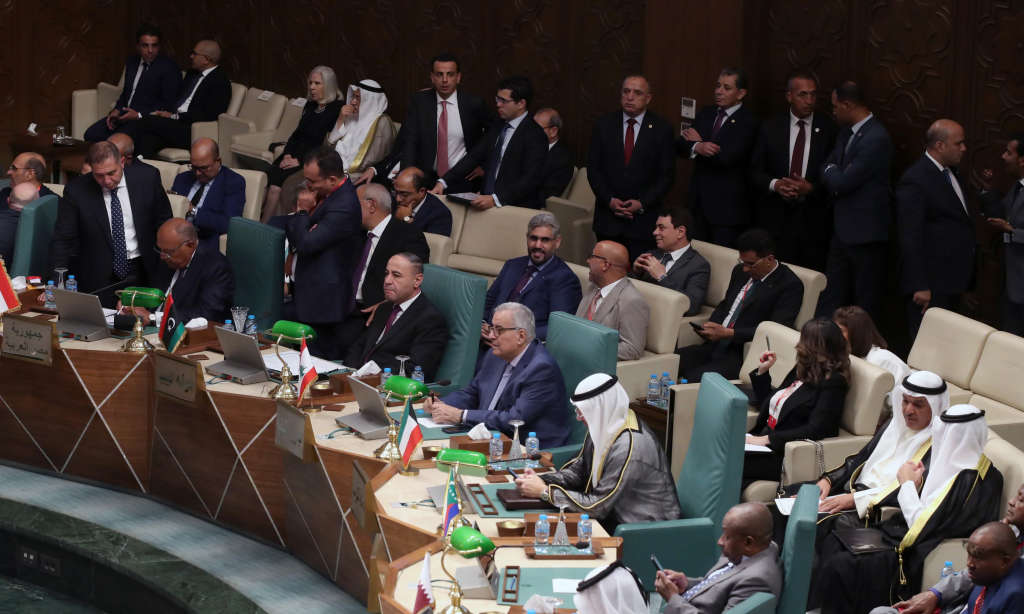
Sadat’s historic visit to Jerusalem was condemned by many Arab governments, and Egypt was temporarily suspended from the Arab League. Sadat himself was assassinated in 1981 by Islamist militants opposed to the peace treaty, testifying to the deep anti-Israel sentiment rooted in Egyptian political and social life. The 1982 Israeli invasion of Lebanon and diplomatic tensions in the 1990s further kept the relationship distant, even as economic and security engagement occurred.
Moreover, Egypt’s place within the Arab League provides diplomatic leverage -when pushing for ceasefires and humanitarian support, for example. But the League’s effectiveness, according to Youssef, is limited by divergent priorities among member states, which reduces its influence. While Gulf countries largely pursue economic and strategic engagement with Israel, others remain committed to Palestinian statehood and an anti-Israel mindset. This fragmentation reduces the League’s influence.
Gaza at the center of tensions
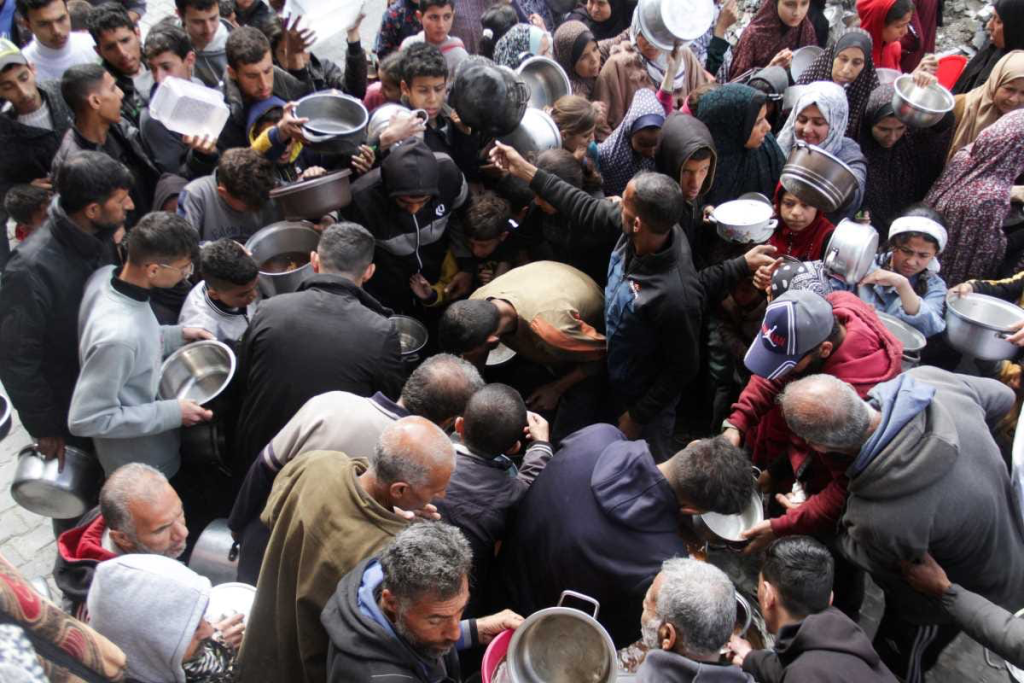
Historically, Egypt aspired to lead the Arab world. However, internal economic challenges, political crises, and the rise of Gulf states as alternative regional centers of power have shifted the influence. Still, according to Youssef, Egypt remains the “default mediator”, both in experience and due to its geographic position. Since the 1980s, Cairo has acted as a mediator between Israel and Palestinian factions, often hosting ceasefire negotiationsand facilitating prisoner exchanges in 2009 amidst the Gaza war. This role has extended to engagements with Hamas, after they seized control of Gaza in 2007.Egypt’s relationship with the group is both complex and instrumental: Cairo regulates the Rafah crossing, taking into account security concerns and humanitarian imperatives, controlling the flow of goods and people into and out of Gaza while avoiding direct governance. This dual role of security enforcer and mediator makes Egypt both indispensable and conflicted.
The post-2023 Gaza War: unprecedented strain
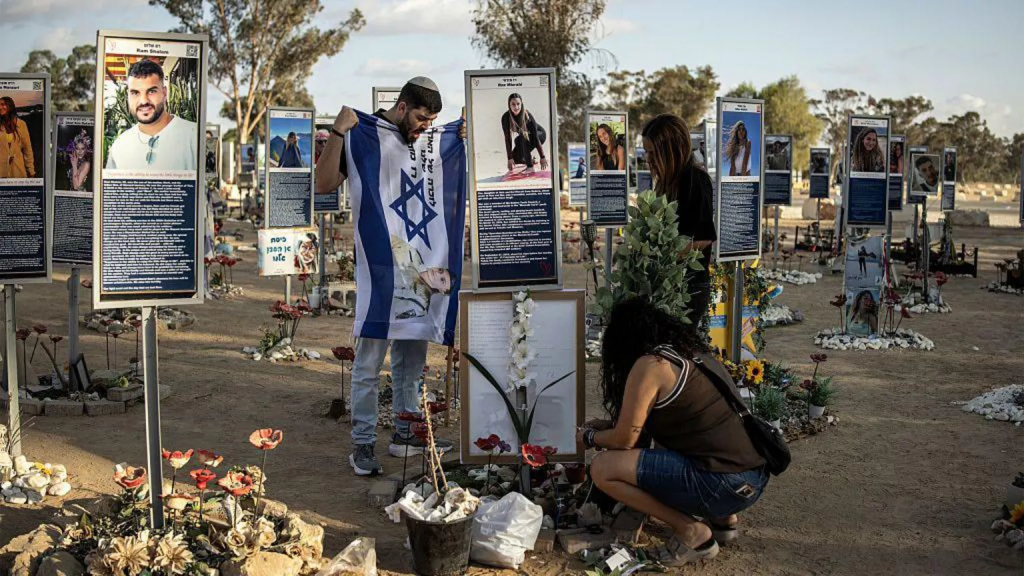
The October 7th, 2023, attacks on Israeli civilians from Gazaoui terrorists didn’t directly puta strain on Israel-Egypt relations. Youssef described the conflict as placing Cairo and Jerusalem on a direct collision course over fundamental strategic questions, but the issue of refugees quickly rose. Reports emerging in late 2025 indicated that Israel was planning onforcing Gazans out of the enclave into the Sinai, which Egypt is vehemently against. President Abdel Fattah el-Sisi has repeatedly stated that forced displacement of Palestinians into Egyptian territory is a “red line”, pointing to both national security and historical experience in which displaced populations do not return to their homes once exiled. According to Youssef, this stance mirrors warnings from Jordan, whose leadership has characterized mass displacement, which further destabilized regional relations.
Another point of tension: border security and military camps
Israel’s expanding presence along the border and enhanced control mechanisms challenge Cairo’s sovereignty and the fragile Camp David arrangements.
The 1979 peace treaty established strict limits on Egyptian military deployments in Sinai to reassure Israel of Cairo’s peaceful intentions. For years, both sides respected these limitations, and the Multinational Force and Observers (MFO) supervised compliance.
However, after Egypt’s 2011 revolution, the absence of security in the Sinai allowed jihadist groups such as ISIS-linked militants to gain strength. Egypt received unofficial Israeli approval to increase troop levels beyond treaty limits for counter-terrorism purposes.
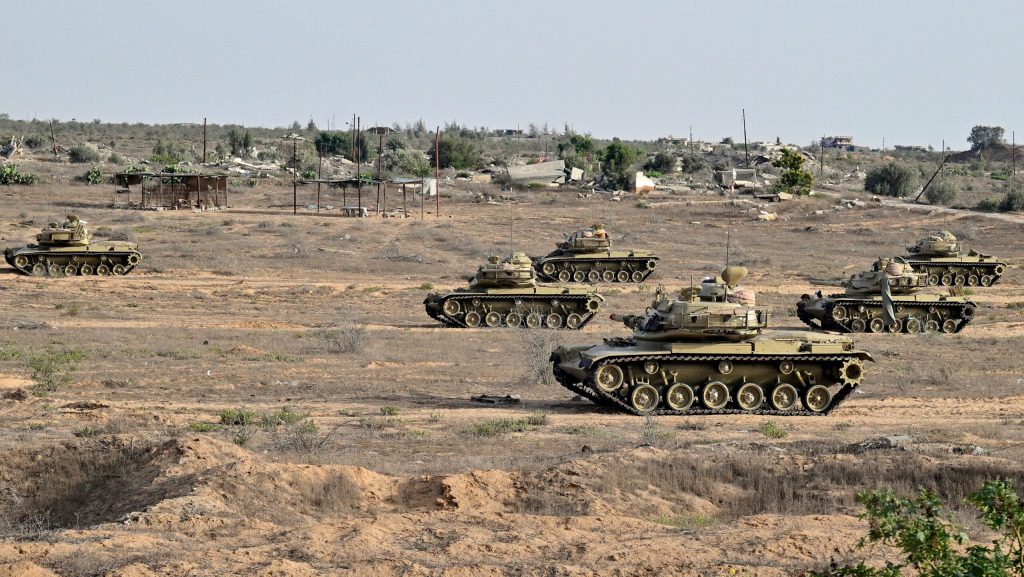
However, these tacit arrangements, supposed to be exceptions, but are nownormalized, have increased Israeli concerns about expanded Egyptian deployments. Israeli officials have publicly urged the United States to press Egypt to reduce its military presence, speaking of treaty violations -denied by Cairo, claiming only the necessity for border security.
These disagreements have become one of the most sensitive pressure points in the relationship.
The U.S. Factor: a guarantee and a source of tensions
Since 1946, the United States has encouraged Egypt’s role to uphold the peace treaty and contribute to regional security by sending billions in military aid.
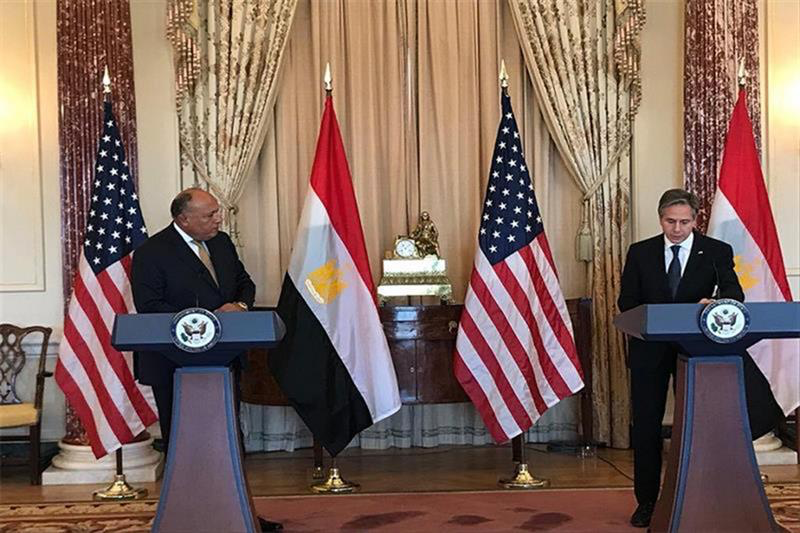
American diplomacy has always guaranteed aspects of the Camp David framework, yet Egyptian officials often feel that U.S. policy leans more toward Israeli strategic priorities, particularly on issues like displacement and access in Gaza. This triangular relationship -Cairo, Jerusalem, and Washington- remains essential but is ridden with tensions and unstable. It shapes not just their foreign policies but the broader Middle Eastern countries’ strategies on the international scene.
Conclusion: a peace sustained by pragmatism, not affection
Therefore, Egypt and Israel are bound together by strategic geography, U.S. diplomatic frameworks, and linked security concerns. Their peace has endured for nearly half a century not because the two peoples feel at ease with one another, but because the alternative –war, displacement, and regional destabilization– remains unthinkable.
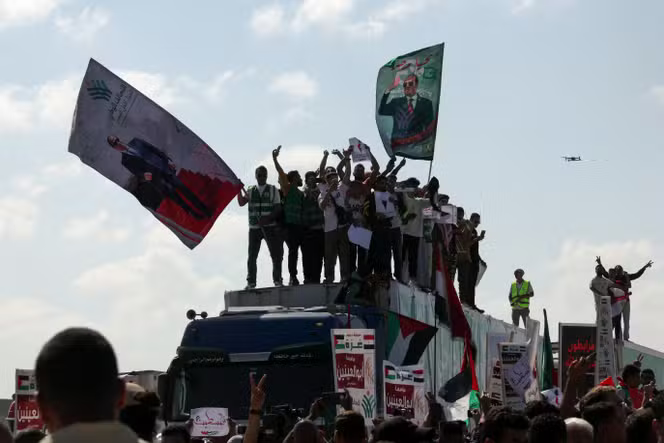
Yet the relationship remains brittle. The Gaza conflict has revived anxieties on both sides and exposed limits: Egypt will continue mediating and managing crises, but distrust and even hatred of Israel -and the U.S.- runs deep among elites and the public alike. The future of this strange peace will depend largely on developments in Gaza, the role of the United States, and whether both sides can prevent temporary crises from undermining long-standing strategic groundwork. The Palestinian keeps shaping Egyptian nationalism. Egyptian and other Arab states’ people feel strongly about solidarity with the Palestinian cause, and any perception of governments partnering with Israel risks severe backlash. This reality constrains Egyptian diplomacy.
In conclusion, Egypt–Israel relations today can best be understood as a convergence of necessity and deep-rooted mistrust. Both countries share interests in preventing militant spillover into the Sinai and maintaining a stable peace, but strongly diverge on refugee policies, border control, Palestinian governance, and most of all, interpretations of treaty commitments. Their cooperation endures, but it is functional rather than friendly, a cold peace that neither fully embraces nor can afford to abandon.