Britain’s Seventh Prime Minister in Ten Years: What Andy Burnham Means for UK Foreign Policy
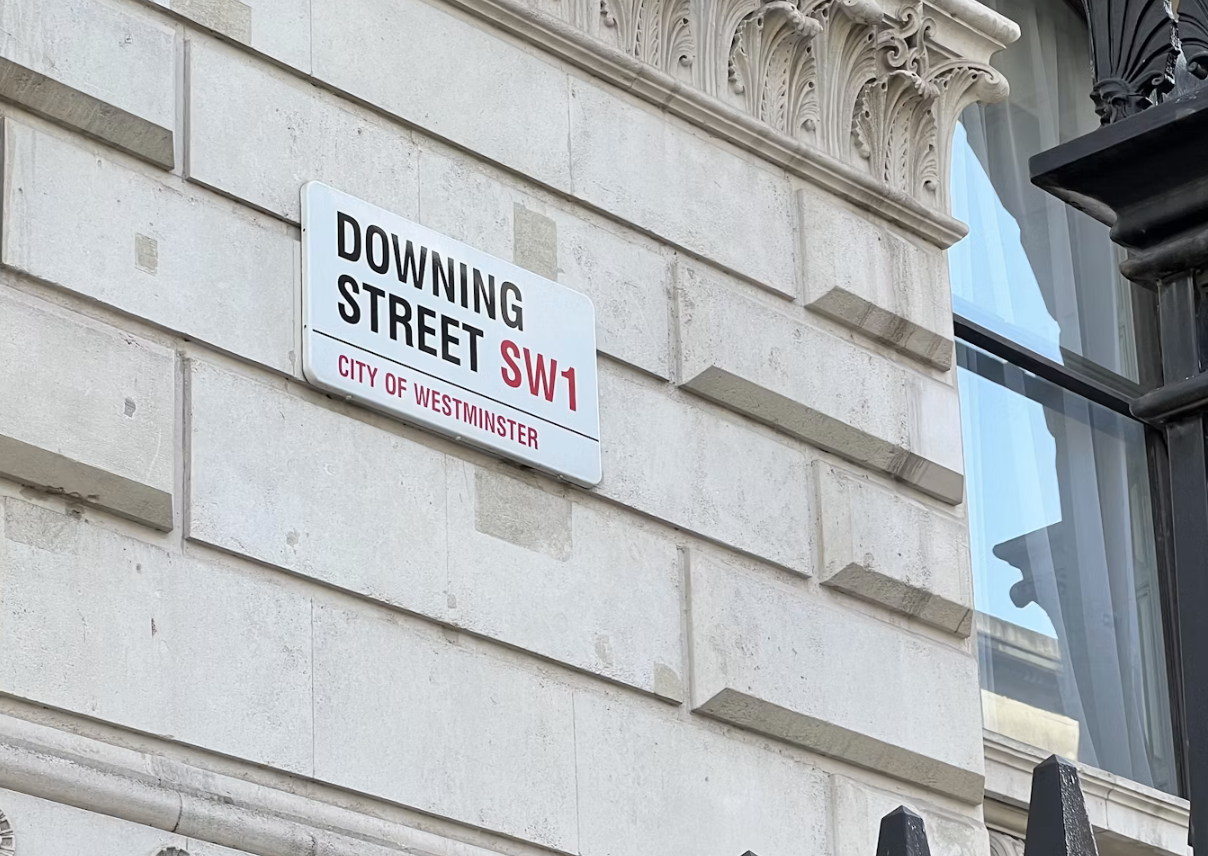
Andy Burnham walked through the door of 10 Downing Street this week as Britain’s seventh prime minister in a decade, a churn rate that would have been unthinkable a generation ago, and one that is now forcing allies and rivals alike to ask an uncomfortable question: does it still matter who’s in charge in London?
According to Lord Peter Ricketts, Britain’s first National Security Advisor and a former Permanent Under-Secretary at the Foreign Office, the answer is yes, but not for the reasons people usually assume. It isn’t that a new prime minister rewrites foreign policy overnight. It’s that personal relationships between leaders, built up slowly and at real cost, are the infrastructure of international affairs, and Britain keeps having to start that infrastructure from scratch.

Why Britain’s Prime Minister Turnover Worries Global Allies
For most of the post-war era, a British general election produced a government expected to last five years, sometimes ten. That stability was itself a form of soft power: allies knew who they were dealing with, and could bank commitments made in good faith. Ricketts points out that Emmanuel Macron, coming to the end of a single ten-year term as French president, will have dealt with seven different British prime ministers in that time. That kind of mismatch breeds weariness, a sense of “here we go again,” where Downing Street’s new occupant has to rebuild, from nothing, the trust that makes hard conversations possible in a crisis.
That trust isn’t decorative. Ricketts is blunt about why it matters: big international decisions are frequently made on incomplete information, under time pressure, between people who have to be confident that a promise made in private will actually hold. Without that foundation, he argues, a leader is negotiating blind at the moment it matters most, and Burnham will effectively be starting from zero with Donald Trump, Macron, Germany’s Chancellor Merz and the EU’s Ursula von der Leyen.
Andy Burnham’s Foreign Policy Inheritance from Keir Starmer on Ukraine and NATO
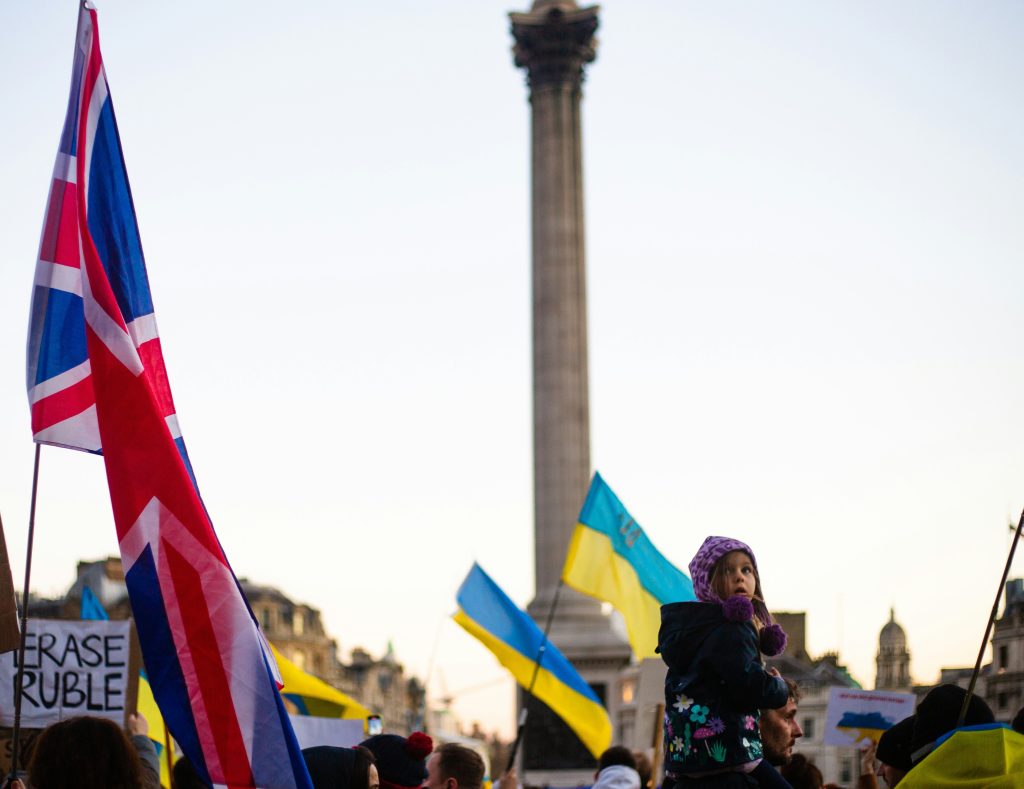
The paradox Ricketts describes is that Britain’s foreign policy has actually been more stable than its cast of prime ministers would suggest. He credits Keir Starmer with establishing a coherent position: leading European support for Ukraine alongside France, keeping Britain out of the attack on Iran while still supporting Washington afterward, and pushing for a more assertive European role in its own security as America’s commitment to NATO becomes less certain. Burnham, in Ricketts’ assessment, inherits that framework largely intact and isn’t likely to tear it up. The real risk isn’t a change of direction, it’s a change of attention.
Starmer, Ricketts notes, took real criticism at home for being seen as too consumed by international affairs. “Never here, Keir” was the jibe. Burnham may overcorrect in the opposite direction, prioritising the domestic agenda and delegating international engagement to his foreign secretary. Ricketts thinks that strategy has a shelf life, “big crisis issues now happen at leader level,” and no amount of delegation changes that when the moment actually arrives.
Key Tests for Andy Burnham: The UN General Assembly and UK Defence Spending
Several concrete moments will show, quickly, how seriously Burnham intends to take the job. Ricketts flags the UN General Assembly gathering in New York this September, the closest thing international diplomacy has to speed-dating, where nearly every head of government passes through over a few days, as an early litmus test. It lands awkwardly close to the Labour Party conference, and Ricketts suspects domestic advisers may push Burnham to skip New York in favour of his conference speech. Doing so, he warns, would send a signal other leaders will read clearly: that Britain’s new prime minister is downgrading his own personal engagement in foreign affairs.
Money is the other test. Sustaining Britain’s leadership role on Ukraine and its commitments to NATO both require defence spending to keep rising, at the moment Burnham wants to fund domestic priorities like the cost of living and public ownership of water, for example. Ricketts is direct about the trade-off: if defence spending doesn’t keep climbing, “Britain’s leadership in supporting Ukraine will look increasingly hollow,” and the country will simply sink down the NATO rankings as allies who are pulling their weight, Sweden, Denmark, the Baltic states, pull further ahead.
How Andy Burnham Should Handle Donald Trump and the US-UK Special Relationship
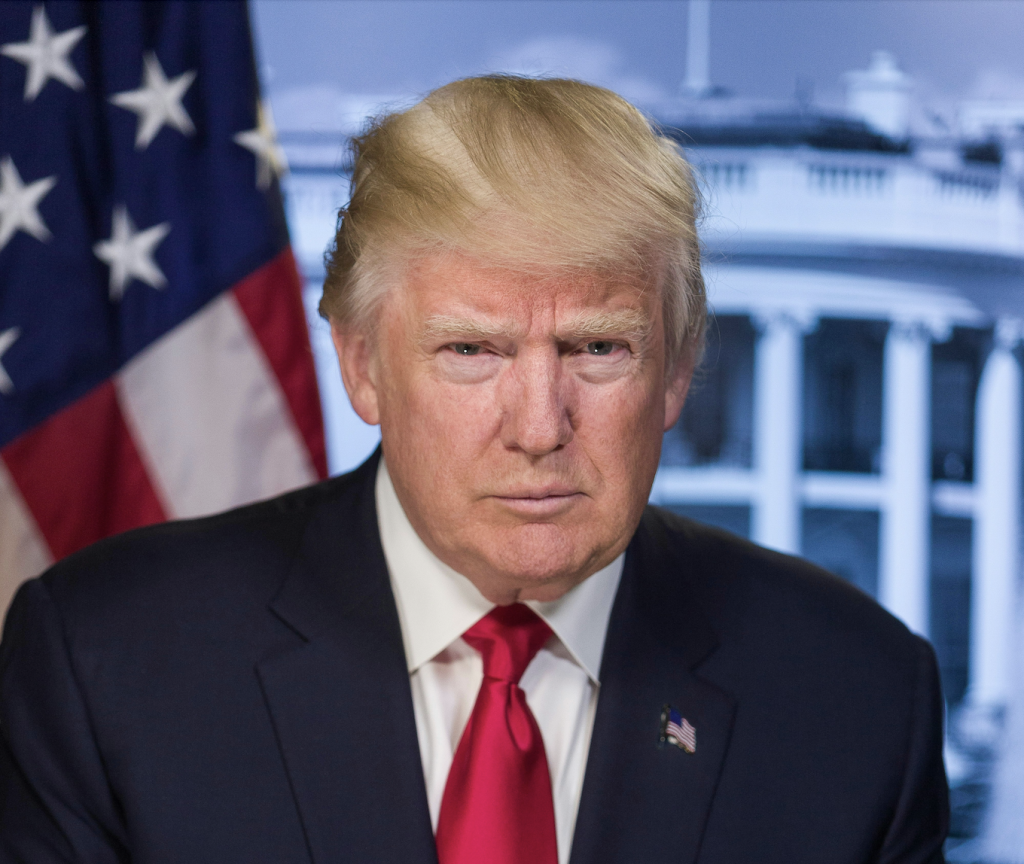
On Trump, Ricketts’ advice is less about tone than about consistency. Starmer’s early deference hardened over time into something firmer: refusing to join US strikes on Iran, pushing back publicly over Greenland, without breaking the relationship. The lesson, as Ricketts frames it, is that Trump doesn’t require flattery so much as clarity: be frank, don’t humiliate him in public and be ready to absorb the occasional public insult without folding. Burnham arrives as an unknown quantity to Trump, which cuts both ways: no baggage, but no goodwill built up either, and no more state-visit invitations left to offer as a diplomatic card.
Why it isn’t just about Ukraine and Washington
Ricketts also points to a another cost of instability: the parts of the world Britain has been neglecting while consumed by its own churn. Non-aligned powers, Brazil, South Africa, Indonesia, Kenya, have increasingly drifted toward Chinese markets and Russian arms deals, partly because Western attention has been elsewhere. Rebuilding those relationships is unglamorous, low-visibility work and it’s the kind of long-horizon diplomacy that suffers when governments change every eighteen months and every new administration has to relearn the file.
What UK Political Instability Means for Britain’s Global Standing
None of this means Britain’s institutions have failed. Ricketts, who has spent forty years inside the Foreign Office and just published a book on the diplomats who quietly built the postwar order during World War II, is clear that the civil service and Britain’s alliances provide real continuity beneath the political turnover. But continuity of policy isn’t the same as continuity of relationships, credibility or attention, and those, in the end, are what a prime minister uniquely supplies. Seven prime ministers in ten years hasn’t broken British foreign policy. It has, however, made every new prime minister’s first months disproportionately consequential, because the rest of the world is now watching each one closely for a signal that this time, Britain intends to stay the course.