Abortion in America: How a Nearly 50-Year Right Was Overturned
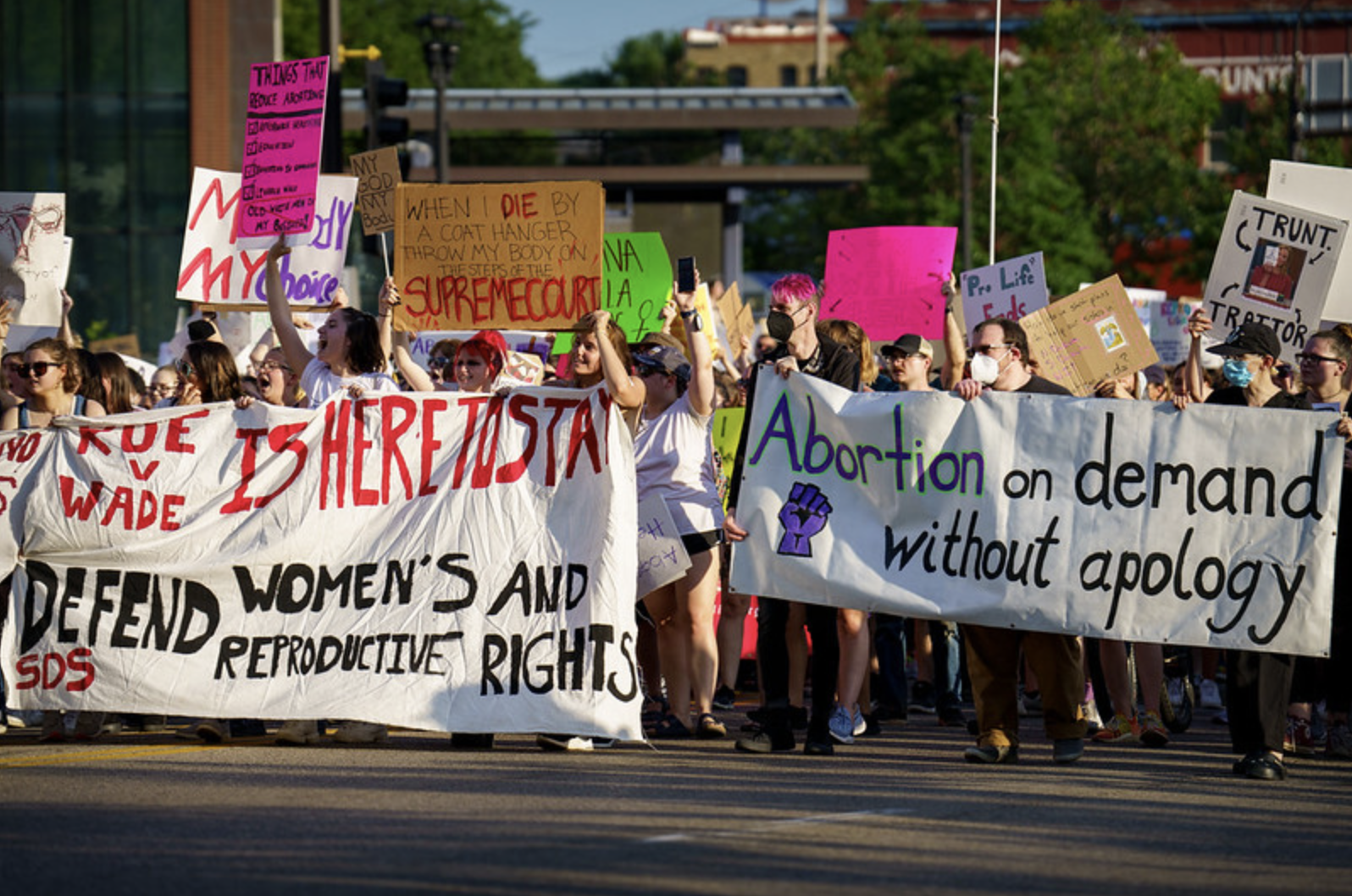
In June 2022, the U.S. Supreme Court did something it had never done before in the context of a long-recognised constitutional right: it took one away. In Dobbs v. Jackson Women’s Health Organization, the Court overturned Roe v. Wade, the 1973 decision that had established a constitutional right to abortion, and Planned Parenthood v. Casey, the 1992 ruling that had reaffirmed it. Abortion policy, the Court said, would now be decided state by state. To understand why that decision remains so contested, it helps to look past the headlines of 2022 and into a much longer history of who has controlled reproductive healthcare in the United States, and why.
In this episode of the International Risk Podcast, Dominic Bowen speaks to Professor Michele Goodwin of Georgetown Law, a bioethicist, constitutional law scholar and author, about the history, politics and human toll behind reproductive law in the United States, and why the debate over abortion is inseparable from questions of power, race and democracy.
Abortion Wasn’t Always Controversial
For much of early American history, abortion was legal and largely unregulated. Reproductive healthcare, including pregnancy termination, was overwhelmingly managed by women themselves, particularly midwives, many of whom were Black women, enslaved or formerly enslaved, who held deep practical knowledge of the body. This was not unusual, for most of human history, childbirth and reproductive care were considered women’s domain, not a matter for state or medical authority.
That began to change around the mid-19th century. As the political fight over slavery intensified, control over reproduction became entangled with a very different anxiety: the demographic future of the country. Some historians point to this period as the origin of efforts to formalize medicine as a male-dominated profession and to push midwives out of practice, a shift the American Medical Association has since acknowledged and apologized for. By the late 1800s, most states had criminalised abortion, a sharp reversal from the century before.
Roe, Casey, and the Trimester Framework
Roe v. Wade changed the law again in 1973, ruling 7–2 that the constitutional right to privacy extended to a woman’s decision to terminate a pregnancy, subject to a trimester framework tied to fetal viability. Notably, five of the seven justices in the majority were Republican appointees, and the opinion’s author, Justice Harry Blackmun, was appointed by Richard Nixon. The idea that abortion rights were purely a partisan project doesn’t hold up against that history, opposition to Roe was, for years after the decision, a minority position even within the Republican Party, only becoming a mainstream conservative cause later.
Roe was reaffirmed multiple times over the following decades, including in Planned Parenthood v. Casey in 1992 and again just a few years before Dobbs, when a majority of justices, including the sitting Chief Justice, upheld it.
The Dobbs Decision
Dobbs arose from a Mississippi law banning most abortions after 15 weeks. A federal district court blocked the law, and that ruling was upheld on appeal by Judge Carlton Reeves, who wrote that Mississippi’s stated justification, protecting women’s health, was difficult to reconcile with the state’s own record, one of the highest maternal mortality and morbidity rates in the country, a history of denying women the right to vote or hold property in their own names, and a documented history of coercive sterilization of Black women.
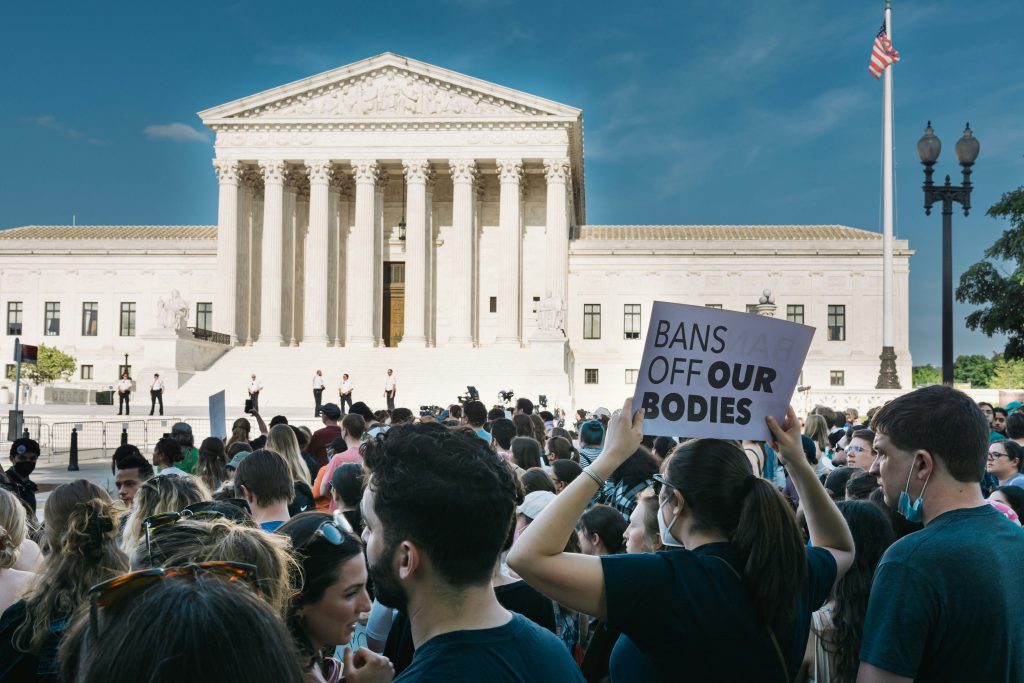
The Supreme Court did not directly engage with that reasoning. Instead, the majority opinion, authored by Justice Samuel Alito, held that the Constitution does not confer a right to abortion, and that the authority to regulate it belongs to the states and their elected representatives.
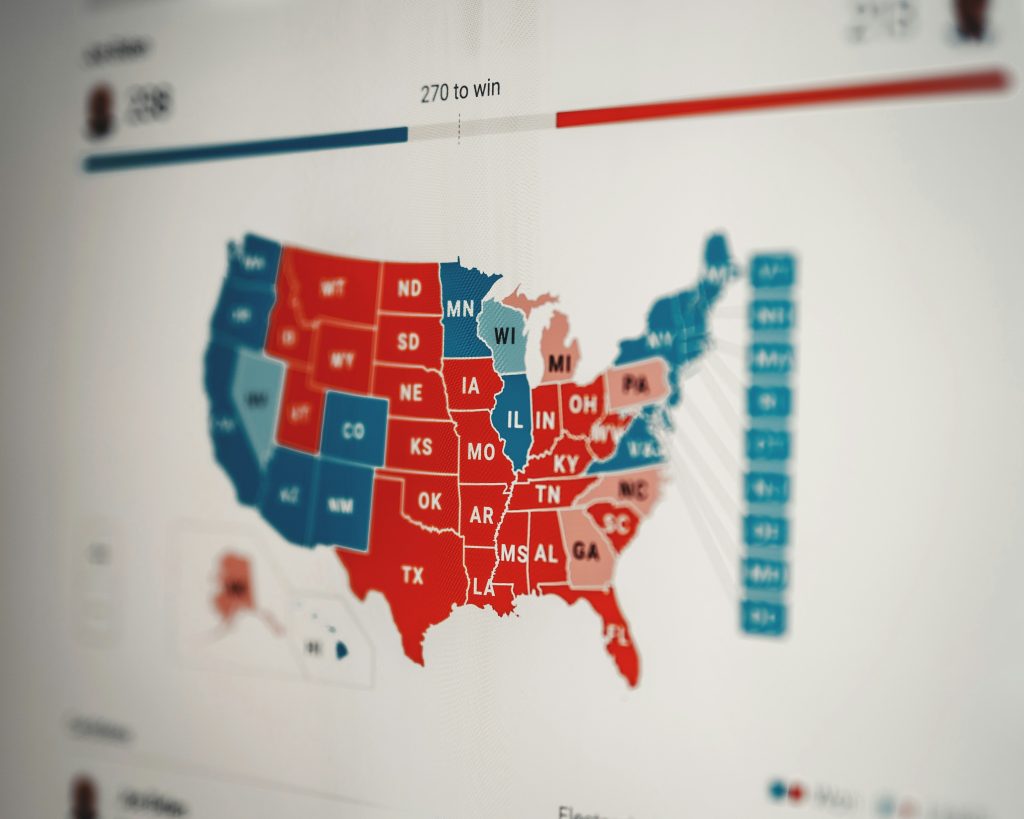
Supporters of the decision frame this as a restoration of democratic self-governance: unelected justices, in their view, had no business creating a right not found in the constitutional text, and returning the question to voters and legislatures is the appropriate remedy in a representative democracy. Critics, including Dr. Goodwin, counter that the framing obscures deeper problems. Mississippi’s legislature, like many in the states that moved quickly to ban abortion, was overwhelmingly male and white, and many of the same states had, in recent years, seen their electoral maps and voting access reshaped by earlier Supreme Court decisions weakening the Voting Rights Act. Whether “send it back to the states” functions as genuine democratic process, then, is itself a matter of dispute, not a settled fact.
The Medical Reality
Whatever view one takes of Dobbs, certain facts about pregnancy itself are well established in medical literature. Pregnancy carries measurable risk: the United States has the highest maternal mortality rate among wealthy nations, and complications ranging from pre-eclampsia to ectopic pregnancy can be life-threatening. The Supreme Court itself noted in Whole Woman’s Health v. Hellerstedt (2016) that childbirth carries a significantly higher mortality risk than abortion. In the years since Dobbs, there have been documented cases of women, some of whom had previously identified as anti-abortion, experiencing life-threatening complications during miscarriage or wanted pregnancies and facing delays in receiving care under new state restrictions.

Where Does Personhood Begin?
At the center of the abortion debate is a question the law itself has never fully resolved: when does a fetus become a person with legal rights? Some anchor that moment to conception on religious or moral grounds. Legally, viability, the point at which a fetus could survive outside the womb, has served as one marker, though it shifts as neonatal medicine advances. Constitutionally, citizenship and personhood under the 14th Amendment attach at birth, not before. This inconsistency shows up elsewhere in the law: a fetus generally has no independent legal standing in matters like property, inheritance or civil lawsuits, an asymmetry that both sides of the debate interpret very differently.
An Unfinished Debate
More than two years after Dobbs, the practical effects are still unfolding, a patchwork of state bans and protections, ongoing litigation over emergency medical exceptions and continued political mobilisation on both sides. Whether one views Dobbs as a correction of judicial overreach or as a rollback of a fundamental right, the decision has undeniably reopened questions, about bodily autonomy, medical risk, state power and the meaning of democratic process, that Americans had largely assumed were settled fifty years ago. They are not, and the country is now living through the consequences of that unresolved disagreement.