Food Security and Systemic Resilience: Preparing for Cascading Risks in Modern Food Systems
Food security is frequently treated as a domestic policy metric: a function of agricultural output, food prices, and household purchasing power. Yet, in an era defined by dense global trade networks and digitally mediated supply chains, national food systems operate as interdependent nodes within a transnational system. Producers, maritime corridors, energy markets and regulatory authorities are connected in ways that create efficiency and, simultaneously, systemic vulnerability.
National governments remain politically accountable for ensuring food is available and affordable, but the systems that determine food availability are rarely contained within national borders. Grain flows through maritime chokepoints. Fertiliser production depends on global energy markets. Retail distribution is coordinated through algorithmic platforms. Climate shocks in one region reverberate through commodity prices elsewhere.
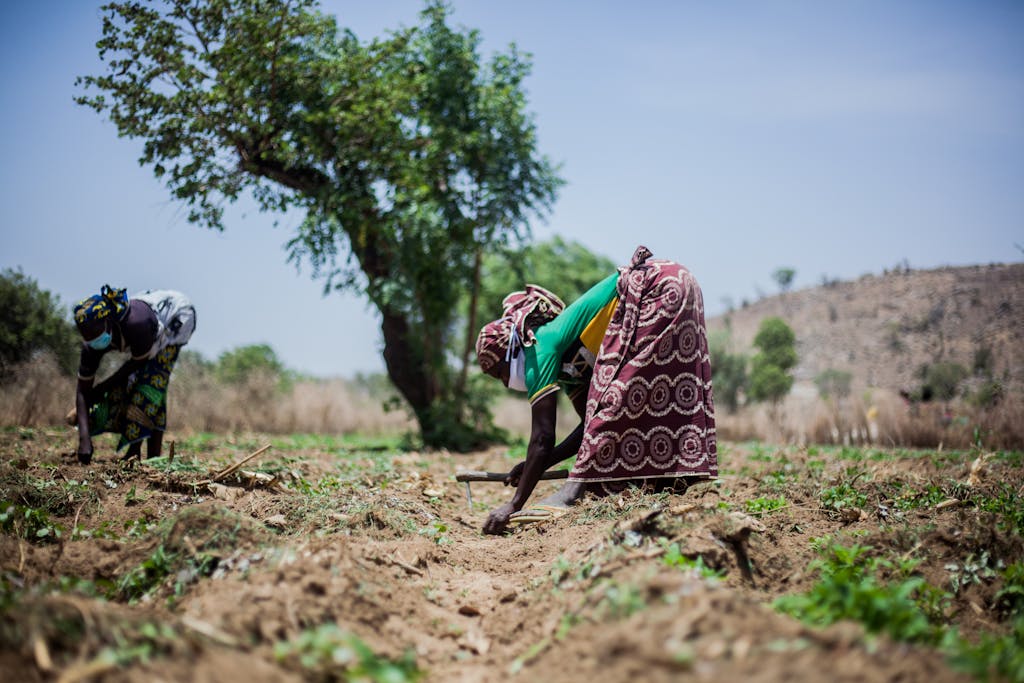
According to the Food and Agriculture Organization’s State of Food Security and Nutrition in the World 2025, more than 700 million people experience chronic hunger, and over 2.3 billion people face moderate or severe food insecurity, despite high levels of aggregate global production. The problem is not that the world produces too little food. It is that the systems moving food from field to table are vulnerable to disruption, inequality, and political instability. For policymakers, the pressing question is whether those systems are resilient enough to absorb climatic shocks, geopolitical tension, and technological disruption.
Systemic Vulnerability in Interdependent Food Systems
Tight Coupling
Modern food systems are highly efficient but tightly coupled, meaning that the failure of a single node can propagate rapidly. Agricultural production is specialised geographically; processing and storage structures are lean; and distribution systems prioritise minimal buffer stock in favour of “just‑in‑time” logistics. This model works well under stable conditions, but its optimisation for efficiency creates pathways for systemic vulnerability.
Much of the world’s staple production is concentrated in a relatively small number of exporting countries. While this provides scale and cost advantages in normal conditions, it also means that shocks affecting major producers, whether due to climate extremes, conflict, or policy disruption, can quickly transmit through global markets.
Market Access and Price Transmission
Food security is not just about calories in the silo; it is fundamentally about pricing, access and purchasing power. Even when global staple production remains sufficient, the cost of a healthy diet has risen so sharply that an estimated 2.6 billion people could not afford one in 2024, which, since 2019, has worsened in Africa and in low-income to lower-middle-income countries. Affordability, not availability, limits access to nutrition.
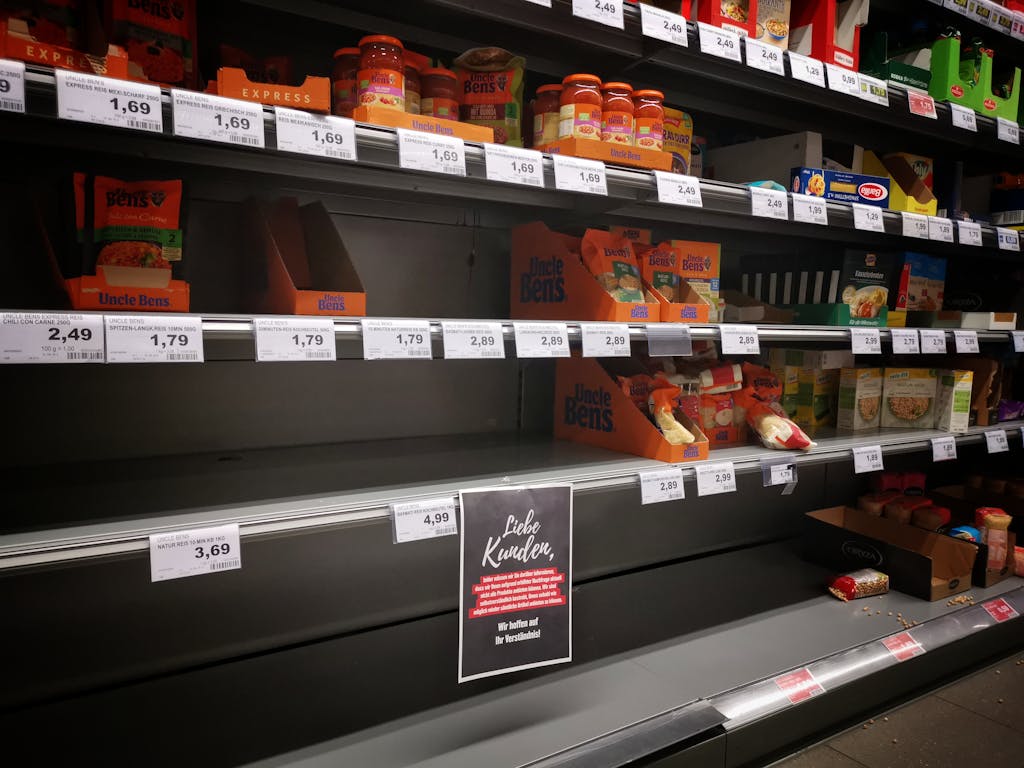
Elevated food prices force households to make difficult trade-offs between essentials like food, healthcare, and education, a dynamic especially acute in low-income countries where price increases have outpaced income growth. Price volatility becomes a key intermediate measure linking global shocks, whether climatic, geopolitical or market-driven, to lived food insecurity at the household level.
The European Union
Integration as Risk Synchronisation
The European Union (EU) provides a clear example of how national food policy is nested within a supranational regulatory structure. Within the single market, goods move freely across borders, and trade policy is negotiated at the EU level. National governments do not unilaterally determine import/export policy or standards for food safety and agricultural production, such as the ‘from farm to fork’ strategy. Instead, these are shaped through collective institutions such as the European Commission and the European Food Safety Authority.
This integration has clear benefits: it enables intra‑bloc trade diversification and creates a large, harmonised market that can buffer localized supply shortfalls. However, it also synchronises exposure. If multiple member states experience concurrent disruptions, whether from energy cost spikes, climate anomalies, or logistic bottlenecks, the ability of the bloc to absorb shocks through internal trade may weaken.
Sovereignty vs Supranational Responsibility
EU governance creates a structural tension: national policymakers are accountable to domestic electorates for food availability and price stability, and supranational institutions set regulation standards, negotiate free trade agreements, and limit unilateral trade interventions.
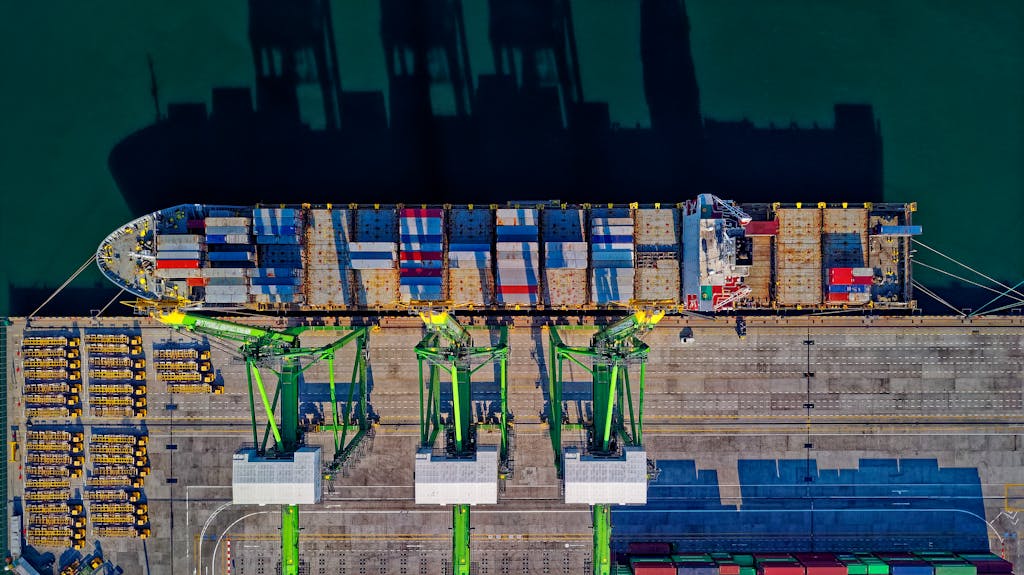
A government cannot legally impose export bans or preference schemes that conflict with EU treaty obligations, even during stress episodes. This constraint can be resilience‑enhancing, preventing beggar‑thy‑neighbour protectionism, but also limits rapid emergency manoeuvre.
Effective preparedness in this context requires coordination that can align national emergency responses with supranational policy. The EU’s ongoing debates about strategic autonomy in critical supply chains, including agri‑food, reflect recognition that diversification alone does not guarantee resilience if systemic risks are correlated across member states.
This tension occurred in 2023 regarding Ukrainian grain imports. Following the Russian invasion of Ukraine, the EU temporarily suspended import duties and quotas on Ukrainian grain, maize, rapeseed, and sunflower exports to help stabilise supplies. This influx sparked pushback from Poland, Hungary, Slovakia, Romania, and Bulgaria, who sought to impose unilateral restrictions to protect domestic farmers, actions that clashed with EU trade rules. The European Commission ultimately brokered a compromise, allowing limited safeguards while maintaining the integrity of the single market and ensuring transit to other regions. However, the episode generated price volatility, strained intra-EU cohesion, and created bottlenecks that affected both producer incomes in frontline states and the predictability of supply flows to external markets. Governance friction can itself become a transmission channel for food system instability during crises.
Conflict and Food Insecurity: Sudan
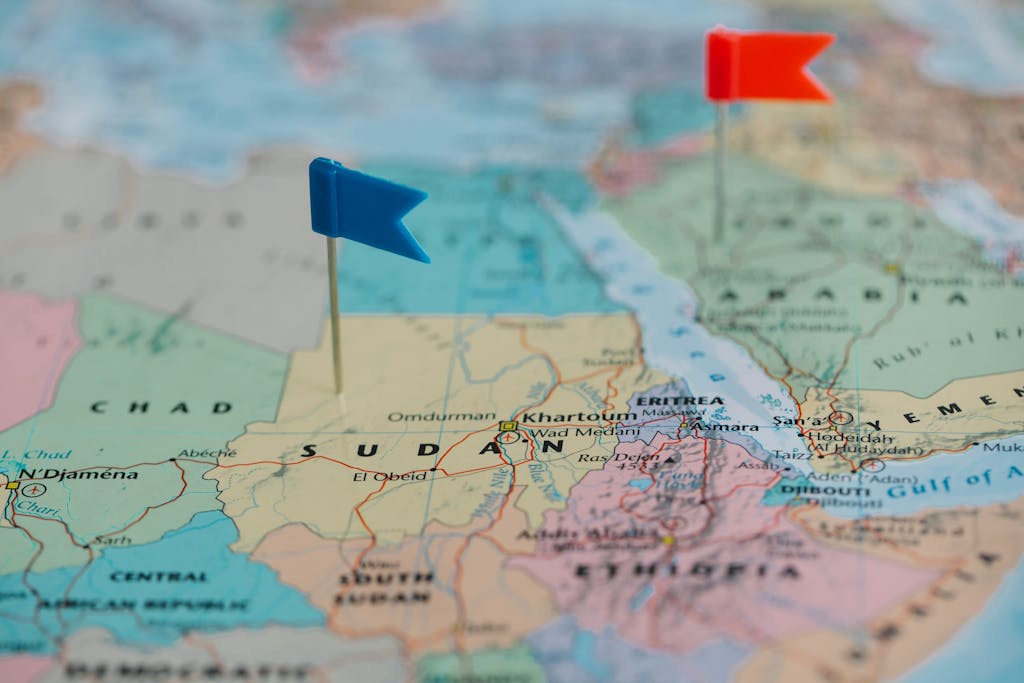
If EU governance illustrates resilience within complexity, the crisis in Sudan reveals the fragility of food security when state capacity collapses.
Ongoing conflict in Sudan has disrupted internal markets and trade corridors, impaired financial systems, and constrained humanitarian access. According to the World Food Programme, 21.2 million people, 41 percent of the entire population, are facing acute hunger, and famine conditions have been reported in Fasher and Kadugli.
This crisis is not primarily a production issue. Sudan has productive agricultural zones, but conflict has:
- Fractured transportation, interrupting distribution.
- Eroded institutional capacity to manage markets and deliver relief.
- Elevated risk premiums, driving up prices and reducing purchasing power.
- Made food access contingent on control of territory rather than economic fundamentals.
Regional Spillover
Sudan’s food crisis also has broader international implications:
- Sudan is one of the world’s largest, most protracted displacement crises. Cross‑border displacement places pressure on neighbouring countries’ food systems. Refugees often rely on host government food assistance or purchase in overstretched local markets.
- Commodity price ripple effects can emerge as traders adjust exposure, diverting shipments away from conflict‑affected regions to more stable markets.
- Humanitarian financing reallocations can divert resources from other crises, creating systemic competition for aid budgets.
In this context, food insecurity is not an isolated humanitarian issue but a political‑economic crisis with regional risk externalities.
Technological Vulnerabilities
Digital Public Infrastructure (DPI) as Risk
Food systems increasingly depend on what is often described as ‘Digital Public Infrastructure’: interoperable digital identity systems, automated warehouses, digital procurement platforms and electronic payments. These technologies have improved efficiency and targeting capacity across supply chains but have also introduced new exposure vectors.

When food disruption and subsidy delivery become integrated through digital platforms, disruption in one node affects the whole system. Cyber disruptions, whether through ransomware, outages, or targeted attacks on port systems, can impede the movement or purchase of food even where physical supply exists. In tightly optimised, just-in-time systems with minimal storage buffers, even short-duration outages can generate localised shortages and price spikes.
Global food insecurity is not primarily a consequence of insufficient production. It is the product of interconnected vulnerabilities: climate, conflict, market exposure, governance, and technology. The key policy challenge for the mid‑twenty‑first century is to design food systems capable of absorbing shocks without spilling into crisis. This requires rethinking preparedness, integrating redundant capacity, coordinating governance across levels, and recognising food security as a nexus issue: ecological, economic, geopolitical, and technical.