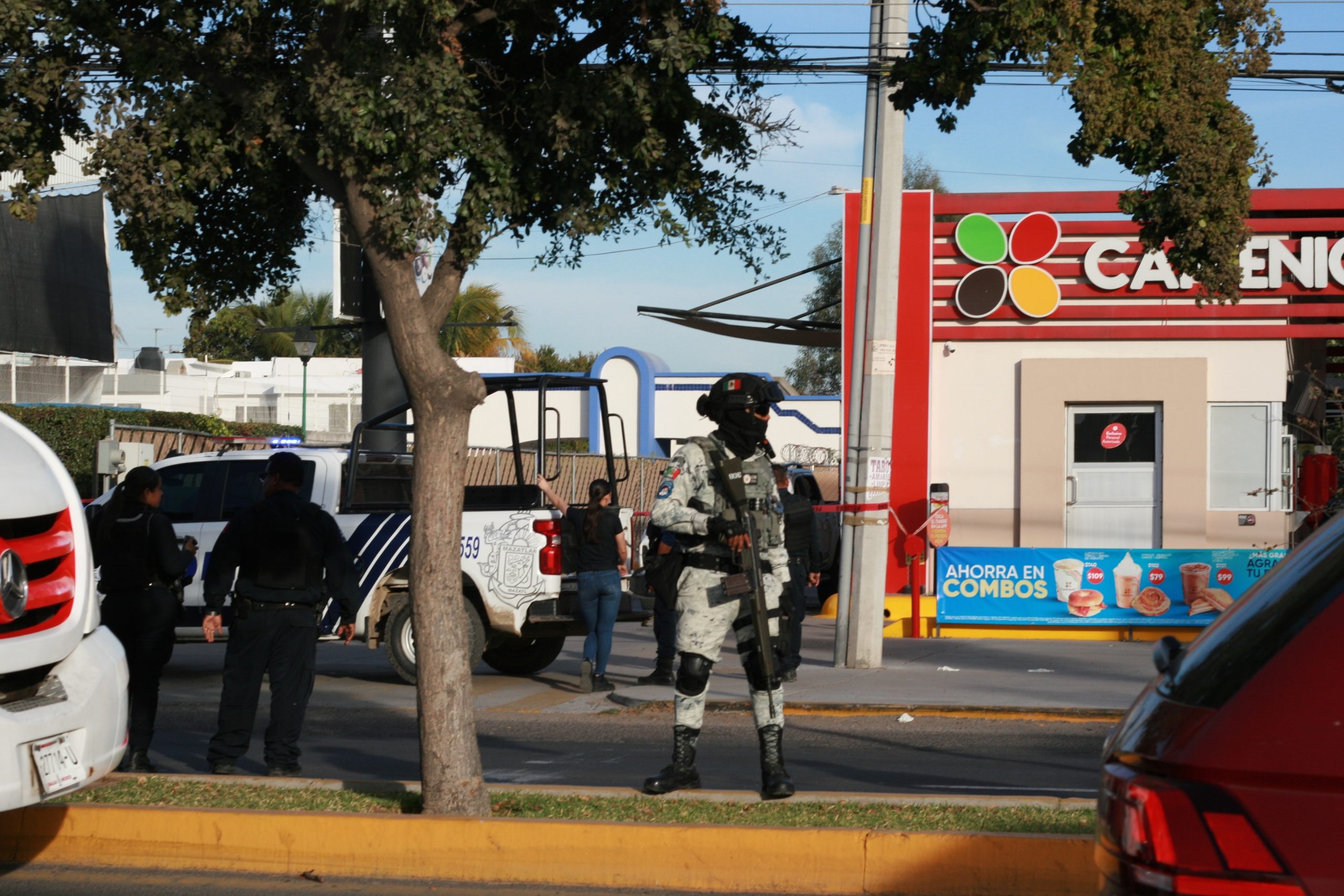
Organised Crime in Mexico: Fragmentation, Control, and the Political Economy of Violence
For years, organised crime in Mexico has been framed primarily through the lens of drug trafficking. Cartels are often portrayed as singular entities competing for control over narcotics routes into the United States, with violence understood as a by-product of this competition. Yet this framing obscures a more complex and evolving reality.
As David Mora, senior analyst for Mexico at the International Crisis Group, explains in his recent conversation on The International Risk Podcast, organised crime in Mexico is no longer centred solely on drugs. Instead, it has developed into a diversified system of territorial control, economic extraction, and local governance. Criminal groups now operate across multiple sectors, embedding themselves in both legal and illegal markets, and reshaping how power is exercised at the local level.
The key question is no longer how cartels traffic drugs. It is how they govern territory, extract value, and adapt to state pressure in ways that sustain and even expand their influence.
From Cartels to Criminal Ecosystems
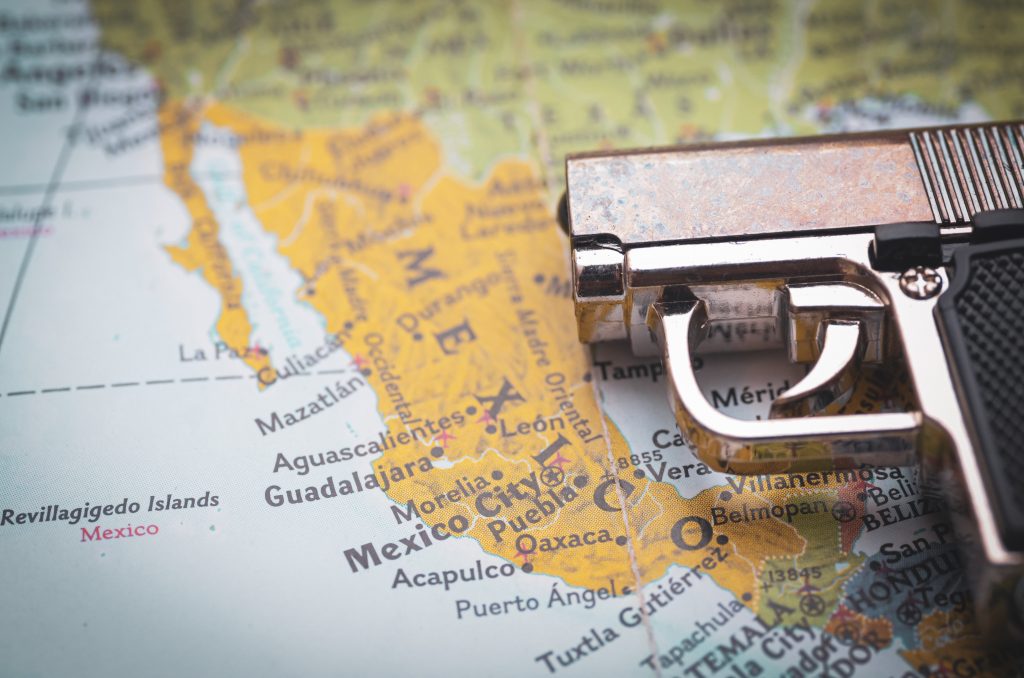
Mexico’s criminal landscape has undergone a profound transformation over the past several decades. In the 1980s, a small number of large cartels dominated the trafficking of marijuana and heroin into the United States. These organisations operated within relatively stable structures, with clearly defined hierarchies and territorial divisions.
However, the state’s response, particularly the adoption of militarised strategies targeting cartel leadership, produced unintended consequences. Rather than dismantling these organisations, efforts to remove key figures led to fragmentation. Large cartels splintered into smaller, more agile groups, each competing for control over territory and resources.
Today, this fragmentation defines the system. Hundreds of criminal groups operate across Mexico, ranging from highly localised cells to larger regional and national organisations. While not all possess the scale or visibility of major cartels, collectively they form a dense and adaptive network of actors embedded in local economies.
This shift has fundamentally altered the nature of organised crime. Instead of a small number of powerful cartels, Mexico now faces a decentralised ecosystem in which violence, competition, and collaboration coexist.
Territorial Control and Economic Expansion
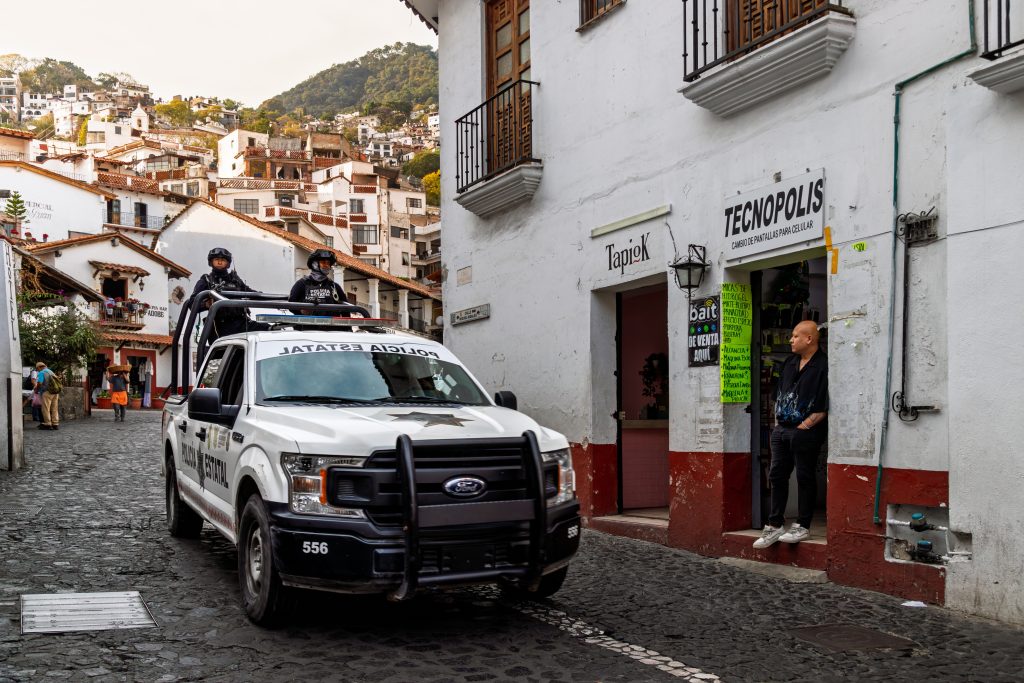
At the centre of this transformation lies territorial control. Criminal groups no longer focus exclusively on specific commodities, such as drugs. Instead, they seek to control the flows that pass through their territories.
Once a group establishes dominance over a region, it gains access to multiple revenue streams. Drug trafficking routes can also be used for migrant smuggling. Control over infrastructure enables involvement in fuel theft, agriculture, or logistics. The marginal cost of expanding into new activities is relatively low once territorial authority is secured.
This logic explains why organised crime in Mexico has diversified so extensively. Rather than specialising in a single illicit market, groups operate across sectors, adapting to local conditions and opportunities. In some areas, this results in highly structured criminal economies that mirror legitimate supply chains.
Territorial control therefore functions not just as a means of protection or dominance, but as a platform for economic expansion.
Extortion as a Parallel Tax System
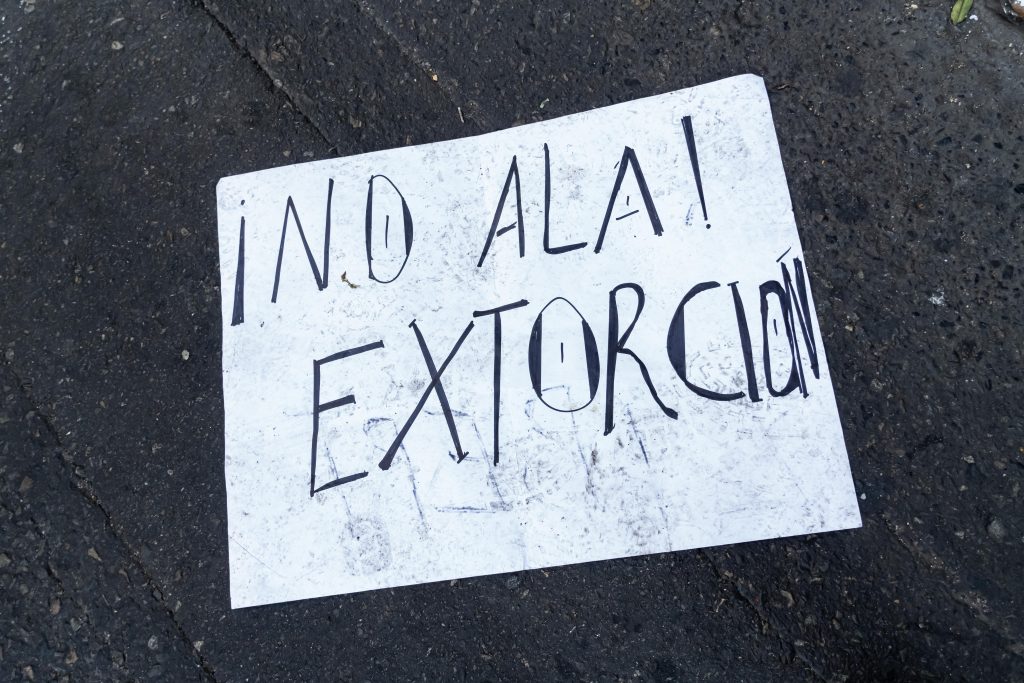
One of the clearest manifestations of this shift is the rise of extortion as a central business model. Unlike drug trafficking, which depends on cross-border flows, extortion is embedded within domestic economic activity.
As Mora describes, extortion operates as a form of “security tax”. Businesses are required to make regular payments in exchange for protection, even though the threat itself originates from the same groups offering that protection. This system is both pervasive and adaptable.
In some regions, extortion is integrated into large-scale economic activity. Criminal groups may control key transport routes, requiring trucks to pay fees or surrender a percentage of their cargo. In urban environments, smaller groups target local businesses, extracting regular payments from restaurants, shops, and service providers.
The result is a system of economic extraction that spans multiple sectors and scales. From multinational companies to small entrepreneurs, few actors are entirely insulated from these dynamics.
Extortion therefore represents more than a criminal activity. It is a form of governance, reshaping how economic value is distributed and who holds authority at the local level.

Migration, Smuggling, and Predation
Migration has also become deeply intertwined with organised crime in Mexico. For years, the country has functioned as a key transit corridor for migrants travelling from Central America to the United States. Criminal groups have capitalised on this movement, embedding themselves within migration routes.
By controlling territory, cartels are able to charge for passage. Migrants, or those facilitating their journeys, must pay for the right to traverse specific regions. Fees can reach thousands of dollars, reflecting both the risks involved and the level of control exercised by criminal actors.
However, smuggling is only one dimension of this system. A parallel economy of kidnapping has emerged, in which migrants are abducted and ransomed. These practices operate at scale, with criminal groups systematically targeting vulnerable individuals moving through their territories.
In some cases, local authorities are implicated, blurring the line between state and non-state actors. This convergence further complicates efforts to address the problem, as it undermines trust in institutions and reinforces the power of criminal networks.
Migration, in this context, becomes both a source of revenue and a mechanism through which organised crime exerts control over human mobility.
When Criminal Groups Become the State
Perhaps the most striking aspect of organised crime in Mexico is the extent to which it can replicate or replace state functions. In certain regions, particularly remote or economically marginal areas, criminal organisations act as de facto authorities.
They regulate access to territory, determine who can enter or leave, and influence the provision of services. In these contexts, even formal state actors may be unable to operate without the approval of criminal groups.
This reality reflects not only the strength of organised crime, but also the uneven presence of the state. While major cities such as Mexico City, Guadalajara, and Monterrey function as economic and political centres, other parts of the country experience significantly weaker institutional capacity.
The coexistence of these different realities is a defining feature of Mexico’s security landscape. A country capable of hosting global events and sustaining major economic activity can simultaneously contain regions where state authority is deeply contested.
Corruption and the Limits of Militarised Responses
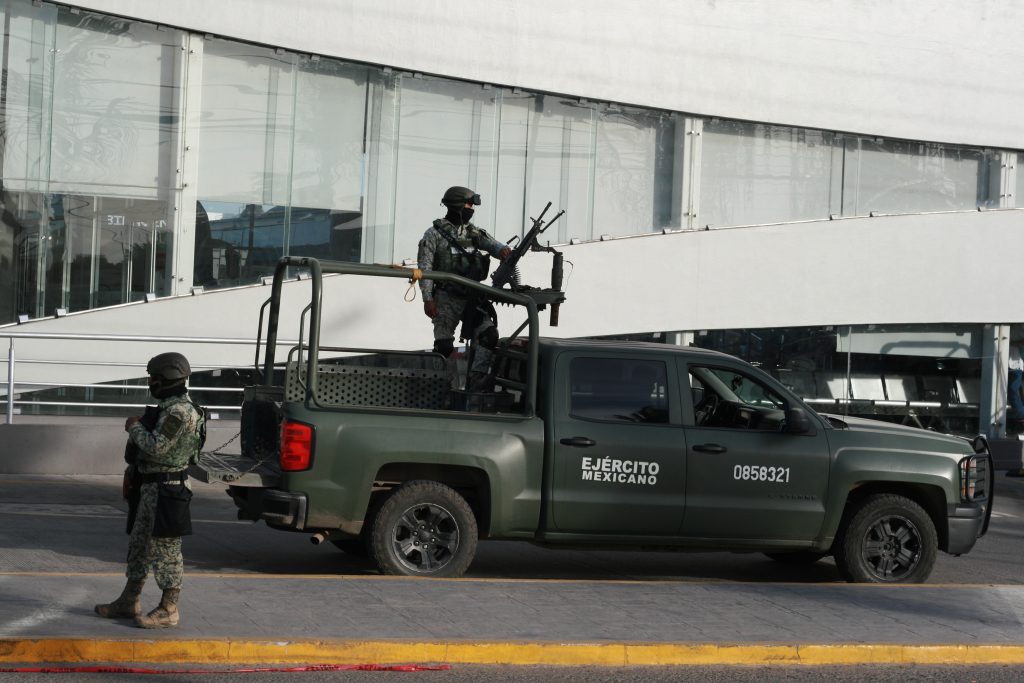
Efforts to combat organised crime in Mexico have largely relied on militarised strategies. While these approaches can disrupt specific groups or operations, they have not addressed the underlying conditions that enable criminal networks to persist and expand.
One of the most significant of these conditions is corruption. At the local level, criminal groups often maintain relationships with political and security actors, allowing them to operate with a degree of protection or impunity. In some cases, elected officials themselves are integrated into these networks.
Despite its importance, corruption has proven difficult to tackle. Over the past two decades, successive administrations have prioritised security operations over institutional reform. As a result, the structures that enable collusion between state and criminal actors remain largely intact.
This dynamic helps explain why organised crime continues to adapt and endure. Without addressing corruption and strengthening local institutions, efforts to reduce violence risk producing only temporary or localised effects.
A System Defined by Adaptation
The evolution of organised crime in Mexico highlights a broader challenge for policymakers. Traditional approaches, focused on dismantling specific groups or targeting individual leaders, struggle to address systems that are inherently adaptive.
Criminal organisations respond to pressure by fragmenting, diversifying, and embedding themselves more deeply within local economies and governance structures. In doing so, they become harder to disrupt and more resilient over time.
As Mora’s analysis suggests, understanding this system requires moving beyond simplified narratives. Organised crime in Mexico is not a static threat, but a dynamic and evolving network shaped by incentives, constraints, and opportunities.
The challenge is not only to confront individual groups, but to address the structural conditions that allow them to thrive.
A Persistent and Evolving Risk
Mexico’s experience offers important insights into the nature of organised crime as a global risk. It illustrates how non-state actors can develop sophisticated systems of control, adapt to state intervention, and operate across multiple sectors simultaneously.
It also underscores the limits of conventional policy tools. Militarised responses, economic pressure, and enforcement strategies can all influence criminal behaviour, but they rarely eliminate the underlying dynamics.
Managing this risk requires a more nuanced understanding of how power, economics, and governance intersect in contested environments.
Because, as this conversation makes clear, organised crime is not simply a question of illegality.
It is a question of control.