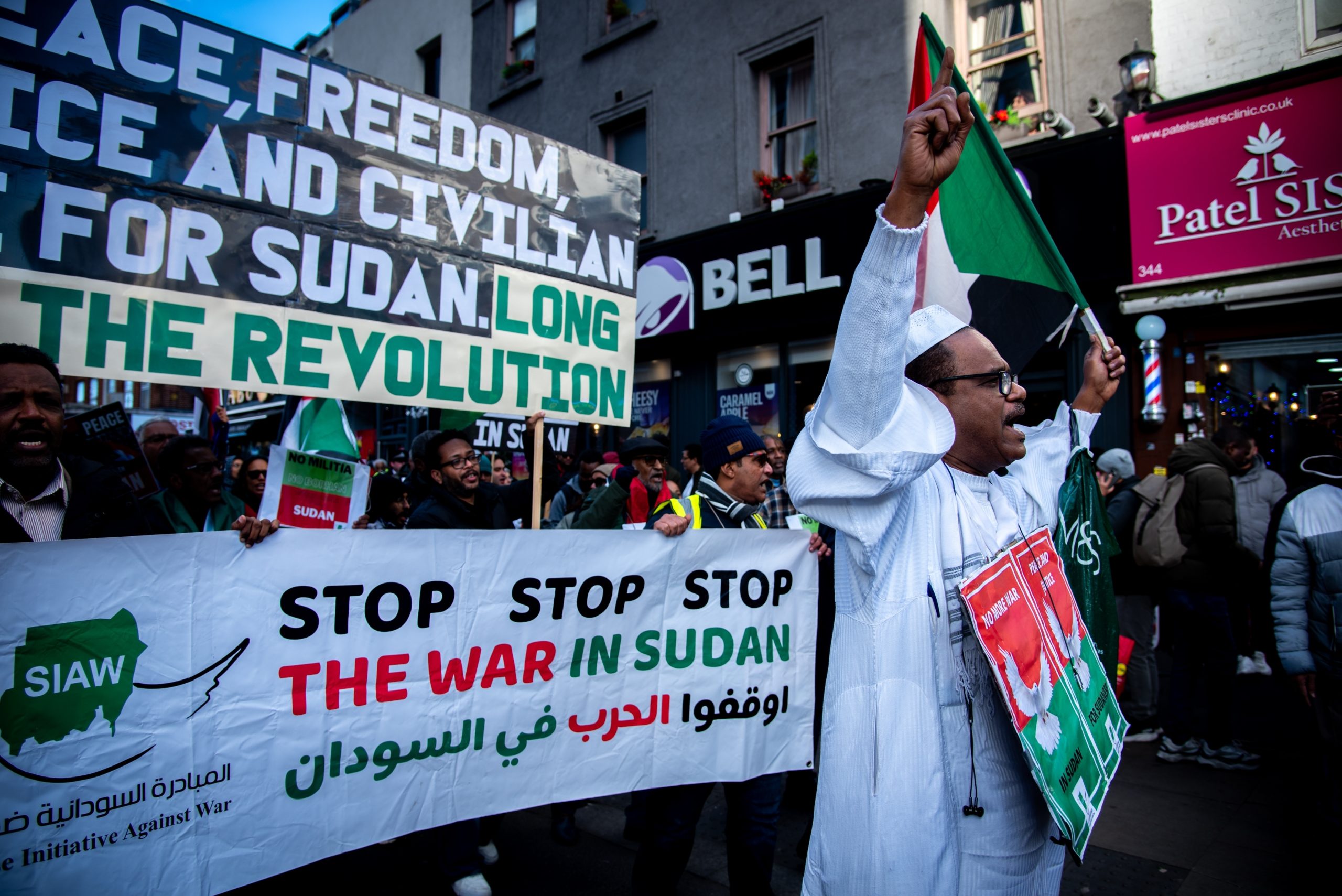
Sudan Today: War, Power, and the Fragmentation of Authority
Since April 2023, Sudan’s conflict between the Sudanese Armed Forces and the Rapid Support Forces has reshaped not only territorial control, but the deeper structures of governance, authority, and political economy. More than 12 million people have been displaced, and over 21 million face acute food insecurity. Yet beyond these staggering humanitarian figures lies a more structural question: what kind of state is emerging from this war?
As Hamid Khalafallah explains in his conversation on The International Risk Podcast, the fixation on battlefield developments risks obscuring deeper realities. The war is not simply a contest over territory. It is a contest over the logic of power itself.
Living Through the Collapse
Khalafallah was in Khartoum when fighting erupted on 15 April 2023. He recalls that the outbreak was not entirely unexpected. “We’ve been warning that tensions are rising,” he explains. What shocked many was the scale and location of the violence. “The very center was taken out in the very first few hours of the war.”
Unlike previous conflicts that were often geographically peripheral, this war began in the capital. Services collapsed immediately. Water was cut within hours. Residents relied on wells and dwindling food reserves. Leaving required navigating dangerous checkpoints and border restrictions. Khalafallah describes the experience as “a daily struggle and a daily risk.”
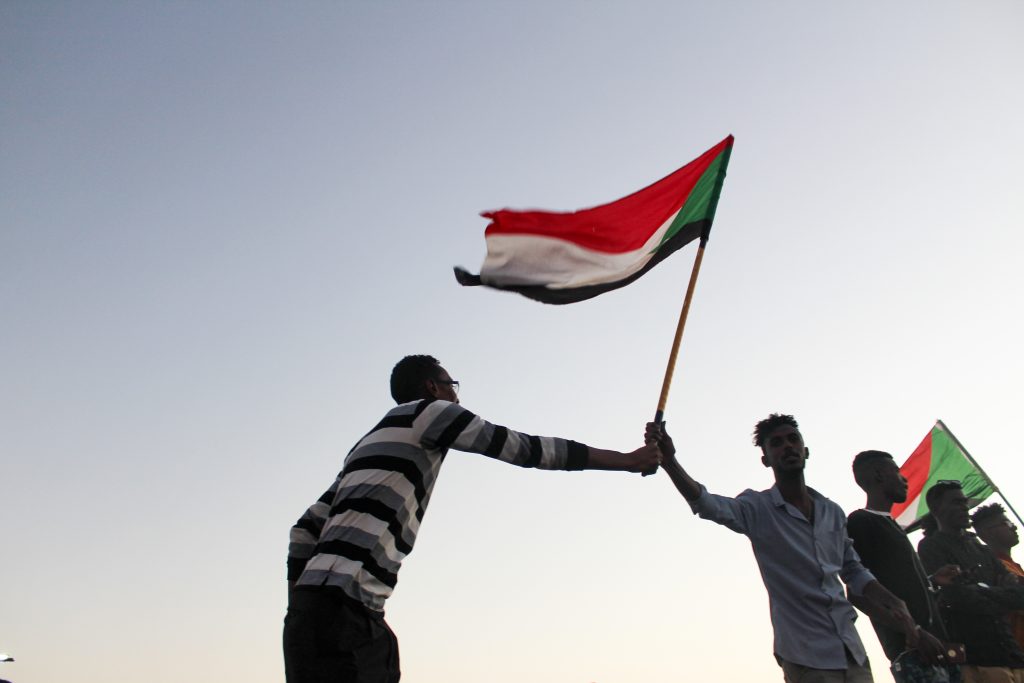
Yet he is careful not to reduce Sudanese civilians to passive victims. He emphasises that what he witnessed was also resilience and organisation. Grassroots groups stepped in where institutions failed. “You see the resilience and you see the resistance of people and how they have managed to organize and manage to keep each other alive at a time when the warring parties couldn’t care less about human life.”
This dual reality of devastation and agency frames the broader analysis of Sudan’s trajectory.
The Problem with Territorial Narratives
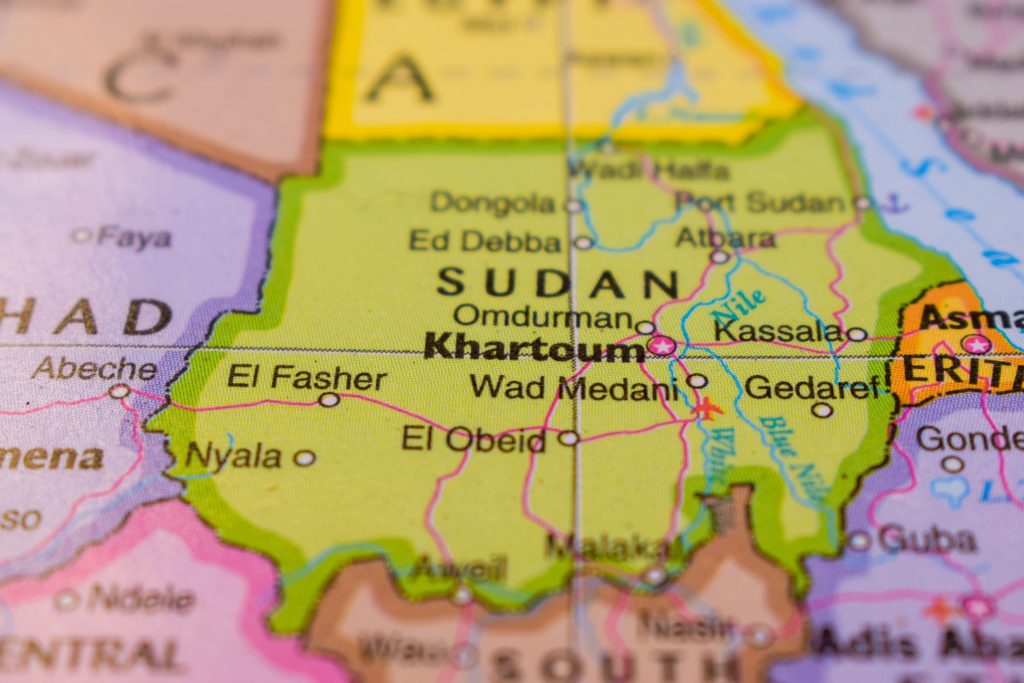
International reporting frequently centres on which side controls which city. Khalafallah warns that this lens is both misleading and dehumanising. “This focus on territorial control that we continue to see dominating the discourse on Sudan… is problematic for so many reasons.”
Control shifts do not bring stability. Civilians caught in transitions face suspicion, detention, and violence. “When the Rapid Support Forces take over or the Sudanese Armed Forces take over… they accuse almost everyone in that community of being a collaborator.”
Beyond immediate insecurity, each shift forces civilians to rebuild survival strategies from scratch. Supply chains are disrupted. Local arrangements collapse. New alliances form. The war expands geographically, with new front lines emerging in places previously considered relatively safe.
Territorial gains therefore do not equate to consolidation of governance. They often intensify fragmentation.
The Political Marketplace and the Militarisation of Access
To understand Sudan’s deeper instability, Khalafallah invokes the concept of the political marketplace. Sudan, particularly under the Bashir era, was governed through elite bargaining, patronage, and transactional alliances. The war has not dismantled this logic. It has entrenched and militarised it.
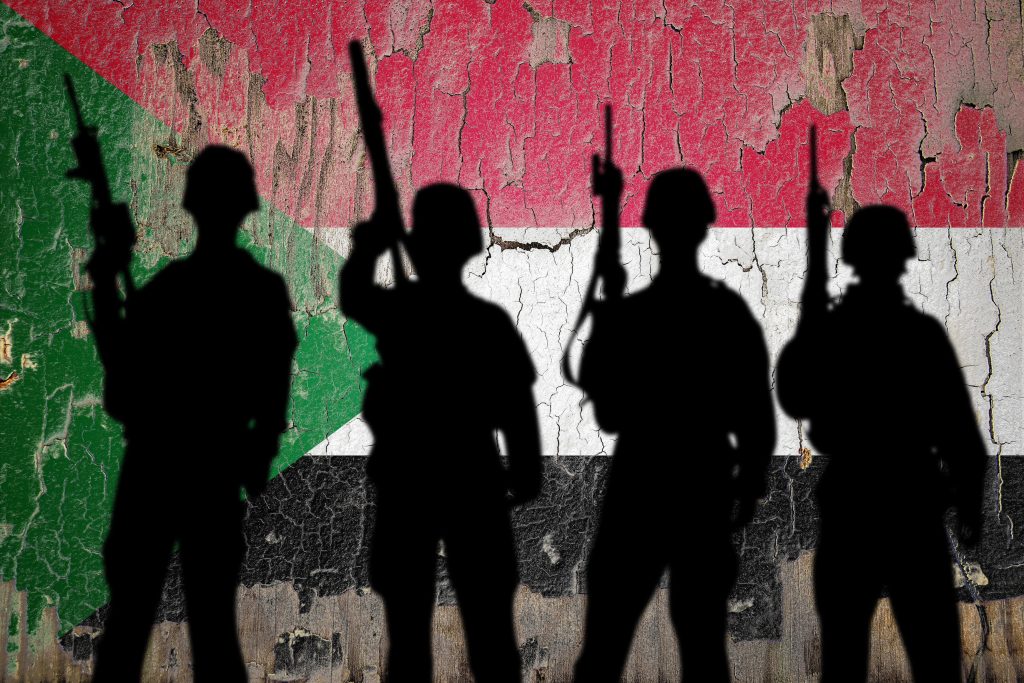
“What this war has done is that it has entrenched this political marketplace logic, but even exacerbated by adding a militarily kind of aspect to it where it’s now about having access to arms as means to having a voice.”
The equation has hardened. Arms are the only currency that works. Armed groups proliferate. Alliances between factions are pragmatic and fragile. When they fracture, violence escalates.
Sudan is not divided neatly between two actors. It is fragmented among dozens, if not hundreds, of armed groups operating within shifting coalitions. Elite bargains once characterised by negotiation are now backed directly by force. When these bargains collapse, the human cost is immediate.
External Networks and Regional Risk
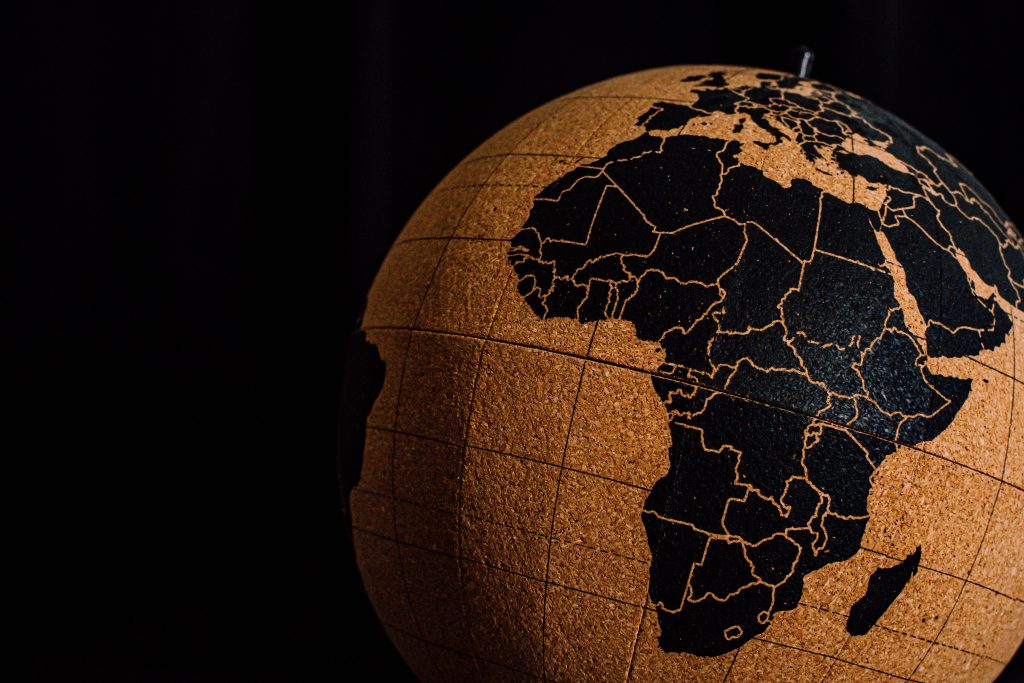
Sudan’s war cannot be isolated from regional geopolitics. Khalafallah describes how pre-existing networks for arms and political support have deepened and diversified. Regional rivalries intersect across Sudan’s borders. Routes linking the Horn of Africa, North Africa, the Red Sea corridor, and the Sahel have become channels of militarised exchange.
“Sudan becomes the piece of the puzzle that connects all of this war, wars plural, together from Somalia all the way to Mali.”
The concern is not only prolonged civil conflict, but regional destabilisation. Once arms smuggling routes are entrenched, they rarely disappear. They are redirected. The risk is that Sudan becomes the connective tissue of a broader arc of instability.
Reconstruction Before Settlement
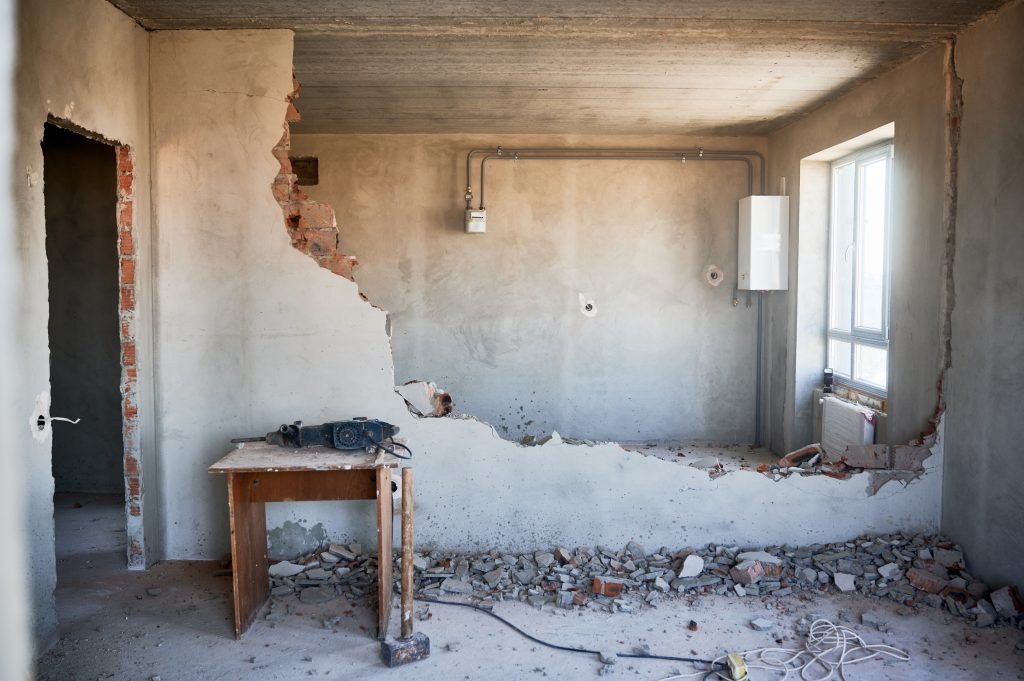
Even as conflict persists, discussions of reconstruction and return have begun. Khalafallah is sceptical. Rebuilding Khartoum while war continues elsewhere risks entrenching de facto partition and reproducing the exclusionary logic that helped generate conflict in the first place.
Doing so signals that peripheral regions remain secondary. “When we are thinking about let’s rebuild Khartoum… we are signalling that other parts of the country do not matter.”
Reconstruction without political settlement risks legitimising fragmentation. It may cement separate spheres of control rather than restore unified governance.
Grassroots Agency and International Withdrawal
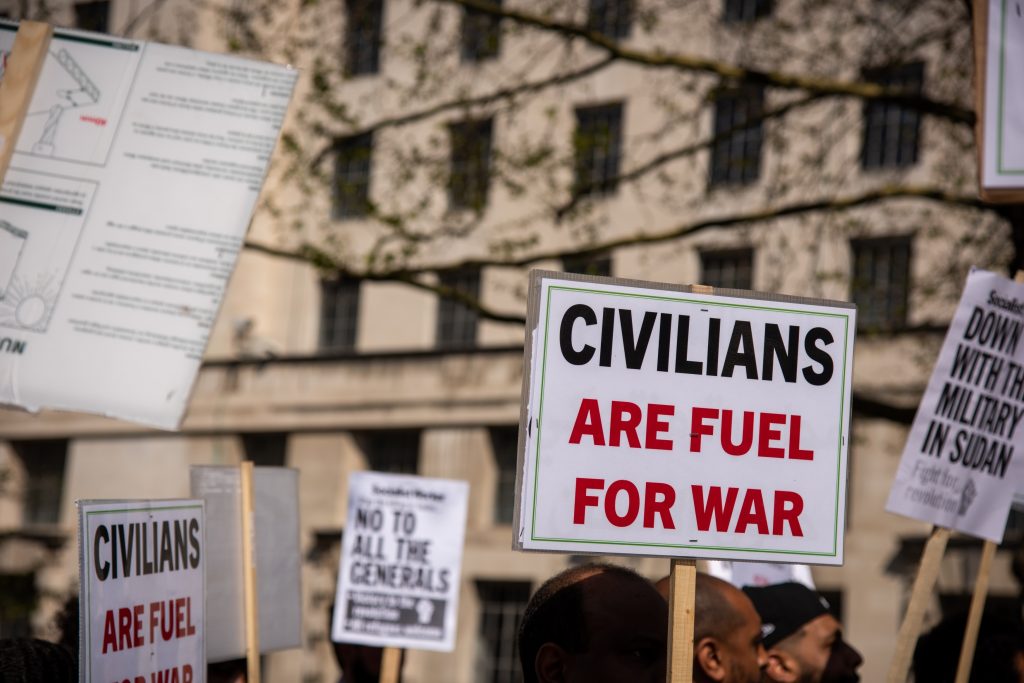
Despite institutional collapse, grassroots organisations have sustained humanitarian relief across Sudan. Khalafallah stresses that these groups have been “single handedly shouldering the humanitarian response on the ground and literally keeping people alive.”
Yet they operate with limited resources and limited protection. International funding cuts, including reductions in USAID support, have placed enormous strain on these networks. Khalafallah argues that recognition alone is insufficient. Grassroots actors require protection and political space, not just symbolic endorsement.
Their existence complicates narratives of total collapse. Sudanese society retains capacity for self-organisation even amid war.
Beyond Victimhood
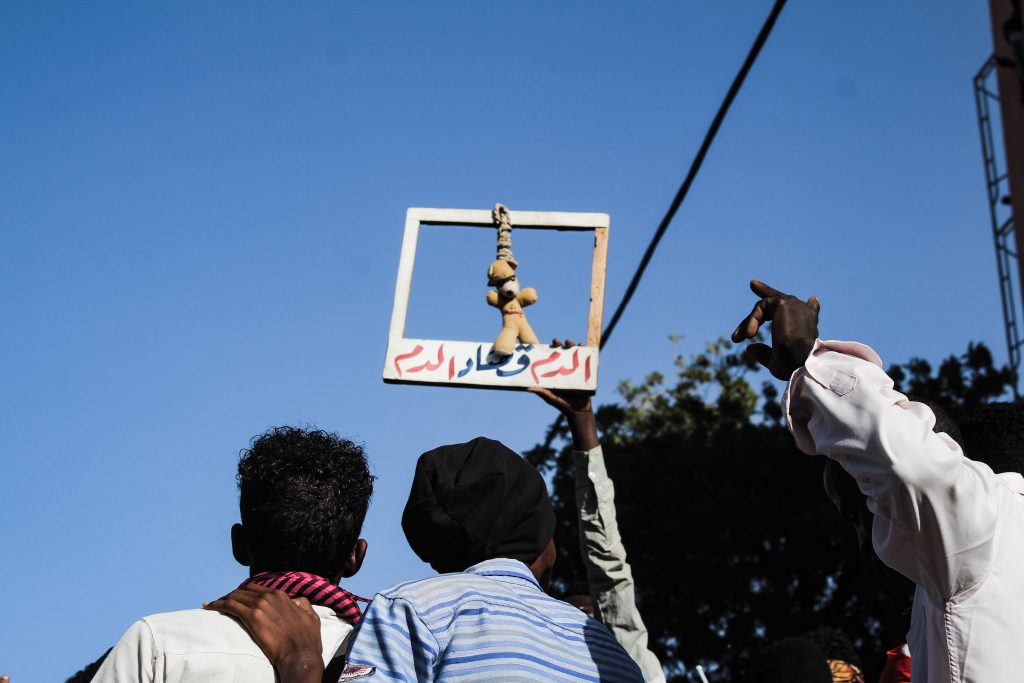
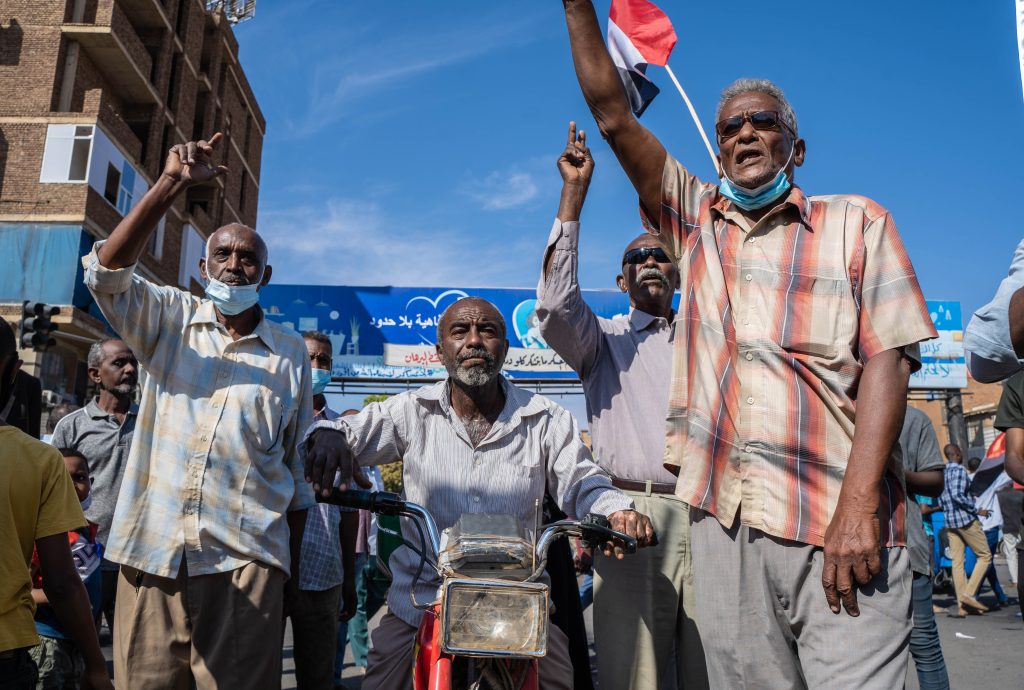
When asked what he would like international audiences to understand about Sudan, Khalafallah resists a narrative of pure victimhood. “We are architects of our futures… we resist… we show resilience in ways that are extraordinary.”
This reminder matters analytically as well as morally. Sudan’s future will not be determined solely by external actors or elite bargains. Agency persists at multiple levels, even under extreme constraint.
An Uncertain Trajectory
Sudan today is defined less by decisive turning points than by accumulated fragmentation. Elite bargains are militarised. Territorial control shifts without stabilising governance. External networks entrench conflict. Reconstruction risks reinforcing exclusion. Grassroots actors sustain survival.
The central risk is not simply continued war, but institutional erosion becoming normalised. The longer fragmentation persists, the harder reconstitution becomes.
Sudan’s trajectory remains open, but the structural pressures are deep. As Khalafallah’s analysis makes clear, understanding the country’s future requires looking beyond the battlefield and into the political economy of power, arms, and authority.