Understanding the Risks Faced by Survivors of Torture: A Humanitarian and Policy Perspective
Written by Elisa Garbil – 18.01.2026
Millions of people worldwide are forced to flee their homes to escape conflict, persecution, and systemic violence. Among displaced populations, survivors of torture face particularly complex and enduring risks that extend far beyond immediate physical and psychological harm. The long-term consequences of torture, compounded by the dangers of migration and the challenges of resettlement, create multidimensional vulnerabilities that require targeted, trauma-informed responses.
The Scope and Impact of Torture

Torture is a pervasive tool of oppression designed to control, intimidate, and silence individuals. Survivors frequently experience chronic physical injuries, pain, and disabilities alongside psychological conditions such as post-traumatic stress disorder (PTSD), depression, anxiety, and sleep disturbances. Without appropriate intervention, these effects can persist for years or decades.
The impact of torture is rarely confined to the individual. Families and communities are often affected collectively, experiencing prolonged stress, fear, and disruption. Nadine Tunasi, UK Preventing Sexual Violence in Conflict Survivor Champion, notes that when torture occurs, “the whole family experiences panic, fear, and stress,” particularly during forced displacement where communication is limited and uncertainty is constant. These collective effects undermine social integration, educational attainment, employment prospects, and overall well-being.
While international legal frameworks define torture primarily as violence perpetrated by state actors, many survivors endure equally severe forms of abuse outside this narrow definition. Sexualised violence, domestic abuse, trafficking, and coercive control can have consequences comparable to state-sanctioned torture, yet they remain under-recognised and under-resourced. Women, children, and LGBTQIA+ individuals face particular barriers to recognition, protection, and rehabilitation, highlighting the need for more inclusive legal and policy frameworks.
Migration, Displacement, and Compounding Risks
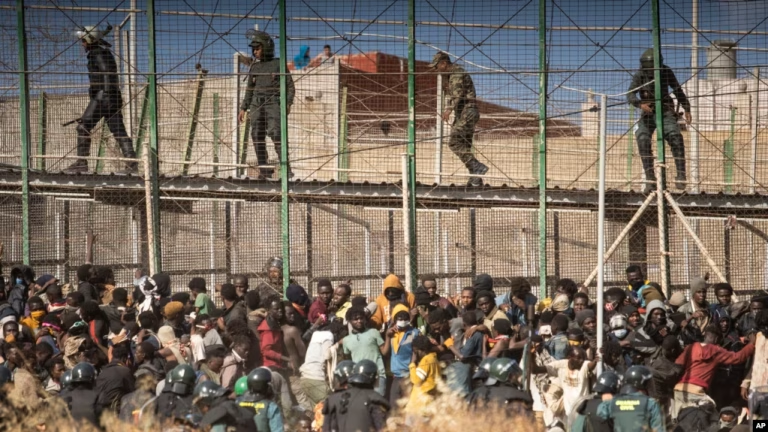
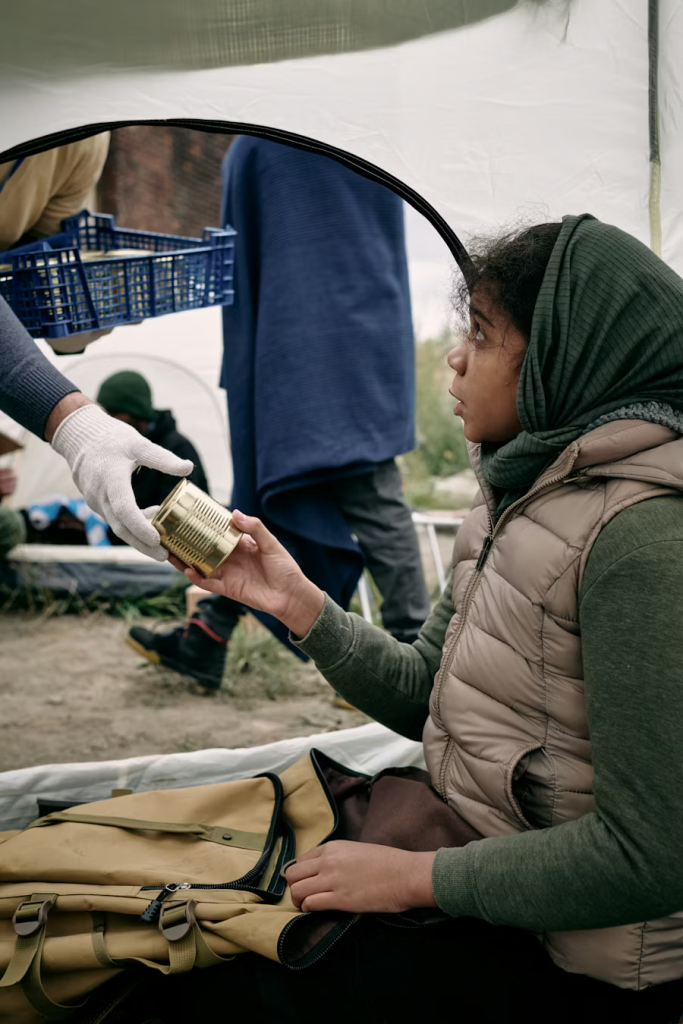
Survivors of torture often flee without documentation, financial resources, or contact with family, exposing them to heightened risks during migration. Unsafe border crossings, prolonged stays in insecure conditions, and isolation from support networks can exacerbate existing trauma. Ann Salter, Head of Clinical Services Northwest at Freedom From Torture, describes flight as “leaving behind everything and embarking on a journey that is unimaginably dangerous”.
For many survivors, the trauma does not end upon arrival in a host country. Legal uncertainty, social exclusion, and limited access to services can reinforce feelings of fear and helplessness, impeding recovery and long-term stability.
Detention and Retraumatisation
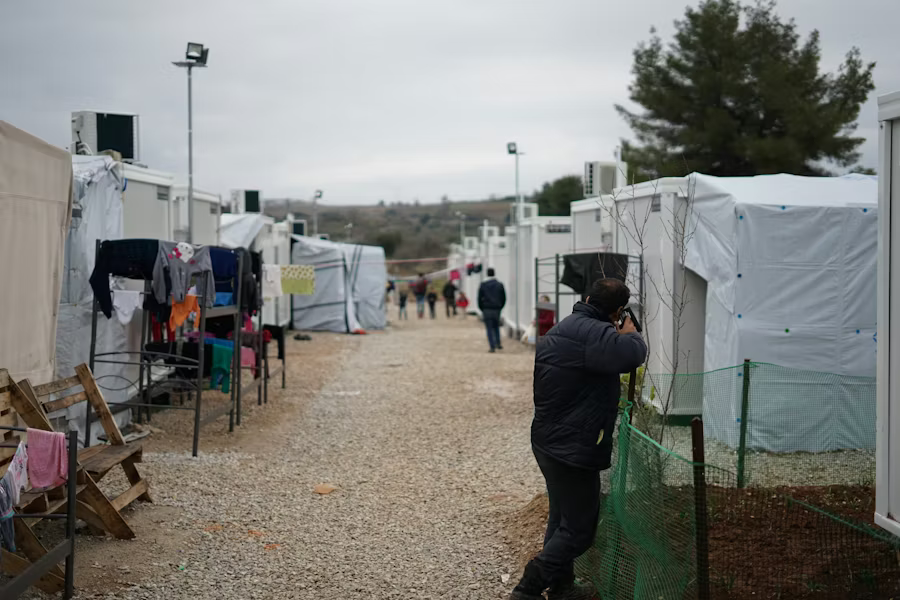
Detention represents a significant risk factor for survivors of torture. Confinement in overcrowded or poorly managed facilities can replicate conditions associated with past abuse, triggering flashbacks and intensifying psychological distress. Evidence consistently shows that detention increases rates of anxiety, depression, and trauma-related symptoms among survivors, undermining resilience and recovery.
Trauma-informed alternatives to detention, such as community-based accommodation or supervised release, substantially reduce the risk of retraumatisation and support better health and integration outcomes.
Multidimensional Risk Framework
The risks faced by survivors of torture can be understood across three interconnected domains:
- Physical risks, including chronic injuries, untreated trauma, and disabilities affecting mobility and daily functioning.
- Psychological risks, such as PTSD, depression, anxiety, emotional dysregulation, and sleep disorders.
- Social risks, including discrimination, isolation, legal insecurity, and barriers to education, employment, and community participation.
These domains interact dynamically. Physical pain can exacerbate psychological distress, while social exclusion can restrict access to healthcare and prolong suffering. Migration and resettlement further compound these risks, particularly for women, children, and other marginalised groups vulnerable to exploitation and abuse.
Rehabilitation and Integrated Care
Effective support for survivors of torture requires integrated, long-term, and survivor-centred care. Multidisciplinary approaches that combine medical treatment, psychotherapy, social support, safe accommodation, and legal assistance are essential to addressing the full spectrum of risk. Services must be trauma-informed, culturally sensitive, and gender-responsive to avoid retraumatisation and ensure meaningful access.
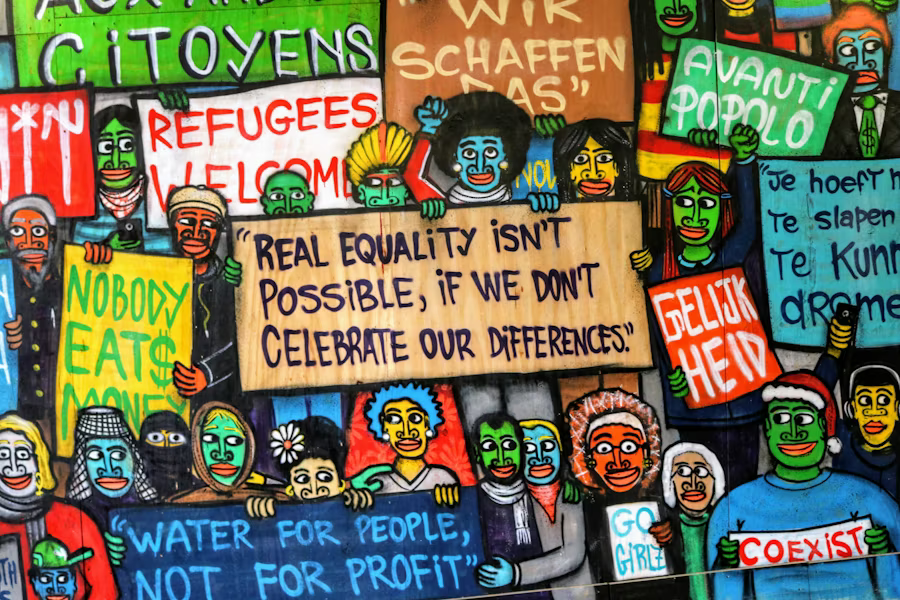
Survivor-centred advocacy plays a critical role in recovery. As Nadine Tunasi observes, many survivors do not initially recognise their experiences as torture, particularly when sexual violence is involved. Awareness, recognition, and access to appropriate support are therefore central to rehabilitation efforts. Organisations such as Freedom From Torture are instrumental in delivering specialised care and ensuring survivors’ experiences inform policy and practice.
Policy, Accountability, and Prevention
A risk-based policy approach recognises the heightened vulnerability of torture survivors and prioritises interventions that reduce harm. Key measures include early identification and screening, alternatives to detention, expanded definitions of torture that encompass non-state and gender-based violence, and coordinated care systems that address physical, psychological, and social needs.
Responsibility for prevention extends beyond states alone. Businesses, international institutions, and civil society actors also play a role in upholding human rights standards. Ann Salter emphasises that “upholding the absolute ban on torture should be fundamental for everyone in power; governments, businesses, and institutions alike”. Nadine Tunasi further stresses that anti-torture laws must be applied universally, warning that “torture anywhere is a risk everywhere”.
Conclusion
Survivors of torture navigate a complex landscape of vulnerability shaped by intersecting physical, psychological, social, and systemic risks. Failure to address these risks perpetuates suffering, increases long-term healthcare and social costs, and undermines social cohesion. Conversely, trauma-informed, integrated care, inclusive legal definitions, and safe migration pathways can restore dignity, support recovery, and enable survivors to rebuild their lives.
Addressing the risks faced by survivors of torture is both a humanitarian and strategic imperative. Sustained international cooperation, accountability, and survivor-centred approaches are essential to reducing harm and strengthening the resilience of individuals, communities, and the global systems that seek to protect them.