
Unreported, Unregulated, Unresolved: Military Emissions and the Climate Crisis
Traditional approaches to transitional justice continue to treat environmental harm as a peripheral concern.
In global climate diplomacy, the environmental cost of war predominantly exists outside formal accounting. Such an emission is becoming harder to sustain as conflicts intensify and military spending rises across major powers. When delegates gathered for COP30 in November 2025, the impact of war was notably absent from the core discussions. At a conference taking place against a backdrop of ongoing armed conflicts and rising military spending, the lack of attention to a sector that remains largely unaccounted for stood out as a growing concern.
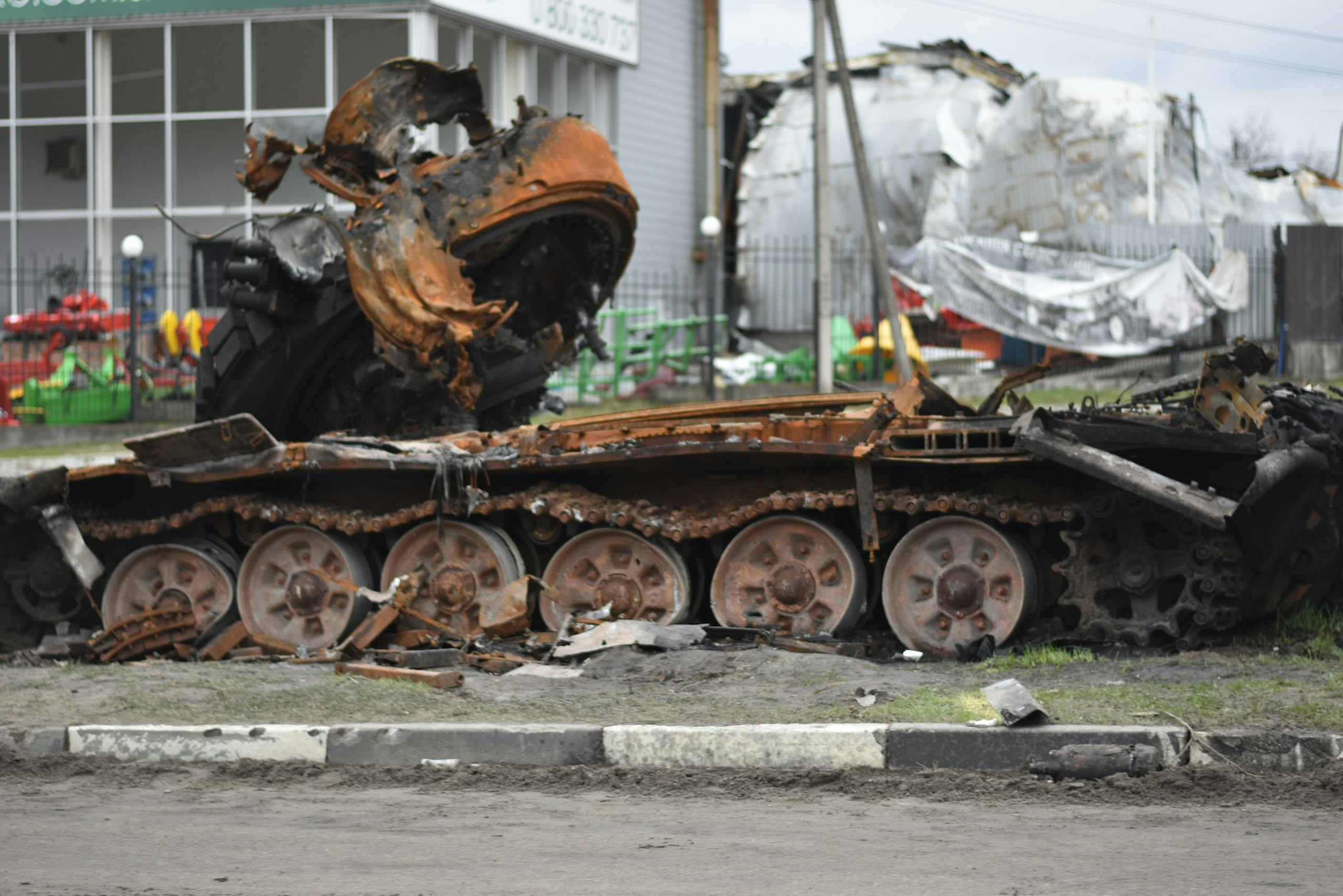
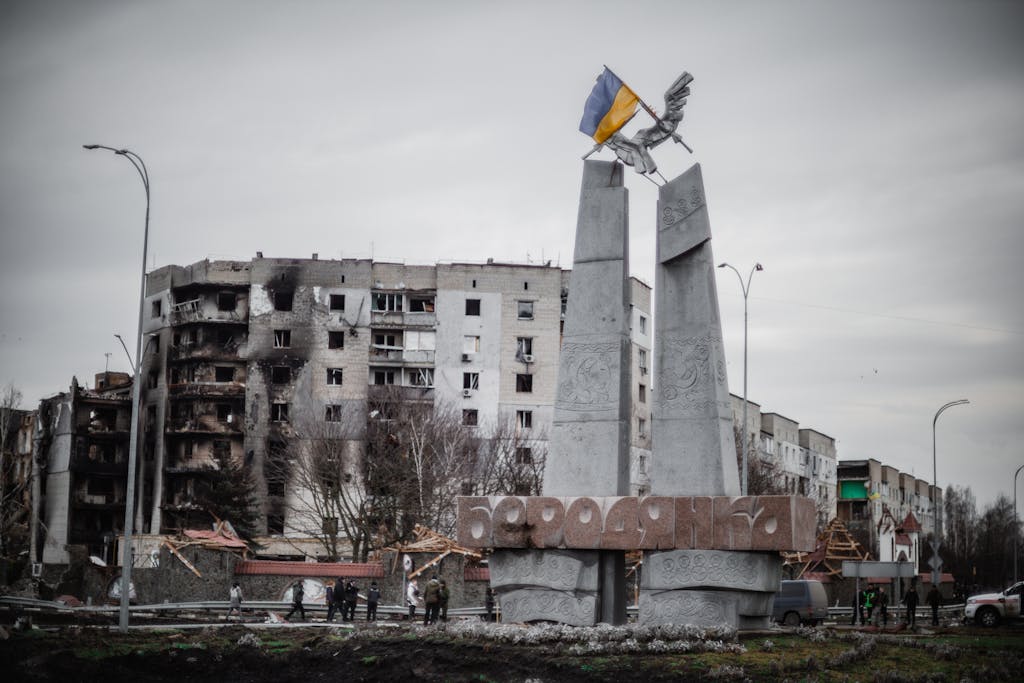
Russia’s invasion of Ukraine alone has generated an estimated 311 million tonnes of CO₂, comparable to the combined annual emissions of Belgium, New Zealand, Austria, and Portugal. Recent assessments of the war in Gaza estimate more than 33 million tonnes of CO₂ in its first fifteen months, a figure comparable to the combined annual emissions of Costa Rica and Slovenia. These are not marginal additions to the climate ledger. They are large-scale emissions produced outside the systems designed to track them, with no consistent mechanism for reporting, attribution, or accountability. These dynamics were explored in a recent podcast discussion with Doug Weir.
Before the Fighting: The Military Emissions Gap
The environmental footprint of war begins long before the first missile is launched, or the first piece of infrastructure is destroyed. It is built into the organisation of military preparedness itself, preceding active conflict by years or even decades.
Modern militaries function as permanent high intensity industrial systems. Their operations depend on continuous flows of fossil fuels, metal, critical minerals, and energy intensive manufacturing. Aircraft fleets, naval vessels, armoured vehicles, satellite systems, overseas bases, and weapons supply chains are maintained in a constant state of readiness. These systems are sustained over decades, locking states into carbon intensive pathways that evolve slowly even as other sectors attempt decarbonisation.
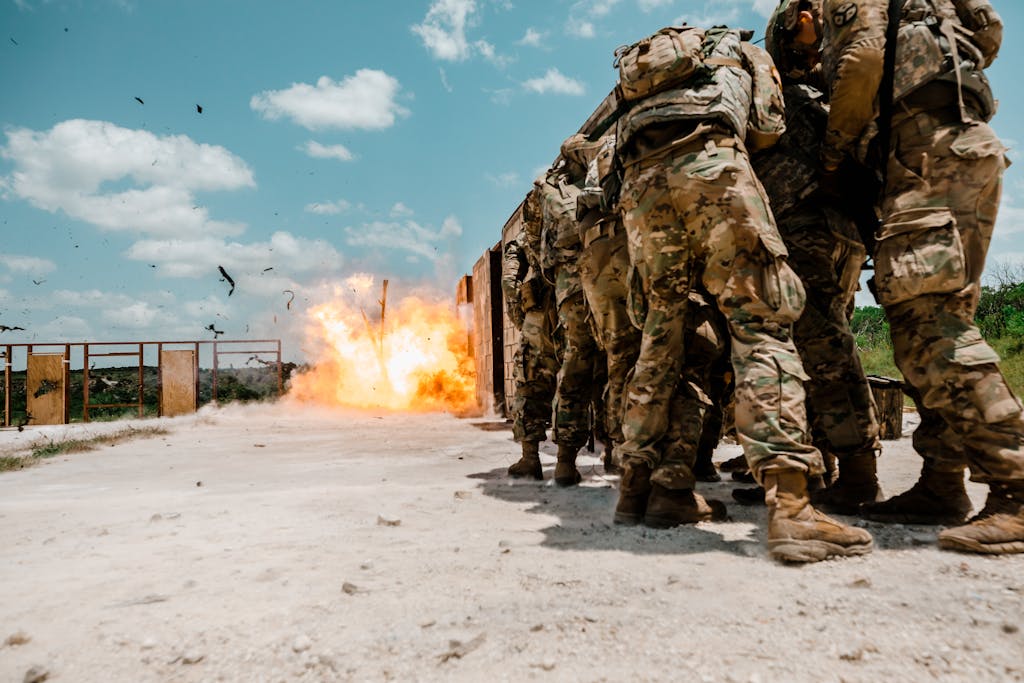
Recent estimates from the Conflict and Environmental Observatory place militaries and their supply chains at roughly 5.5 per cent of global greenhouse gas emissions. On this basis, they would rank among the world’s largest emitters if they counted as a single national economy. This figure is widely understood to be conservative. It does not capture conflict emissions, reconstruction, or many upstream industrial processes linked to weapons production.
Under the United Nations Framework Convention on Climate Change, military emissions have long been exempt from full reporting, a carve-out rooted in negotiations during the Kyoto era and sustained through voluntary disclosure under the Paris Agreement. This has resulted in a system where some of the most carbon-intensive institutions operate with partial statistical presence in global inventories.
This is what researchers describe as a military emissions gap, further discussed in another episode with Benjamin Neimark and Frederick Otu-Larbi: the distance between what states report and what militaries actually produce.
This gap is bolstered by inconsistent reporting practices. Some states disclose limited operational fuel use, while supply chains, procurement, and overseas deployments are often excluded. The largest military spenders, including the United States, China, and Russia, provide incomplete or non-disaggregated data, or none at all. What derives from this is a splintered picture of a sector that is highly emissions-intensive but only partially visible in climate inventories.
War as an Emissions Accelerator
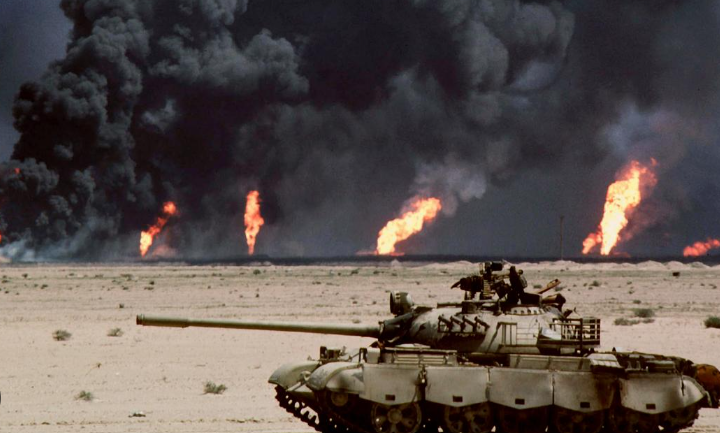
Once conflict begins, emissions intensify and diversify beyond battlefield activity. In Ukraine, large scale fires in forests and wetlands have become a significant emissions source, while repeated strikes on energy infrastructure have released high impact greenhouse gases such as sulphur hexafluoride, with a warming potential around 24,000 times that of CO₂.
At the same time, the war is generating a distinct form of material pollution linked to new battlefield technologies. Ukraine produces around four million drones annually, and fibre optic guided systems now account for roughly 10 per cent of production. These drones deploy polymer optical fibre cables typically between 5 and 20 kilometres long, with some exceeding 40 kilometres per mission. Across active frontlines, repeated deployments leave dense accumulations of discarded cable across farmland, forests, and waterways, where recovery is rare.
The environmental implications extend beyond physical debris. These cables are made from fossil fuel derived polymers, including fluoropolymer cladding associated with PFAS and polymethyl methacrylate cores. They can persist in the environment for more than 600 years. Exposure to fire, blast, and ultraviolet radiation accelerates degradation into microplastics and nanoplastics, while combustion can release toxic gases such as carbon monoxide and nitric oxide. The PFAS components add a further layer of persistent chemical contamination, adding to existing military sources of these “forever chemicals”.
The result is a dual pollution footprint: one atmospheric, driven by fuel use and infrastructure destruction, and one terrestrial, embedded in long lasting synthetic waste. Fibre optic cables entangle vegetation and wildlife, create barriers across ecosystems, and have already been observed interfering with agricultural machinery, forestry operations, and emergency response vehicles. In this sense, modern conflict produces not only emissions in the climate sense, but also a durable material legacy that persists long after active fighting ends.
After the Fighting: Carbon Debt and Reconstruction
Post conflict environments concentrate rather than resolve environmental harm. Reconstruction itself becomes a major emissions driver, often exceeding the carbon cost of combat. Rubble removal, industrial rebuilding, and infrastructure replacement generate emissions on a scale comparable to medium sized national economies. In Ukraine, reconstruction is expected to be one of the dominant sources of post war emissions, extending the climate impact of conflict far beyond its temporal boundaries.
At the same time, weakened governance structures reduce environmental oversight precisely when it is most needed. Waste systems collapse, industrial sites remain damaged, and contaminated materials are often handled informally. These conditions create long tail ecological risks that persist.
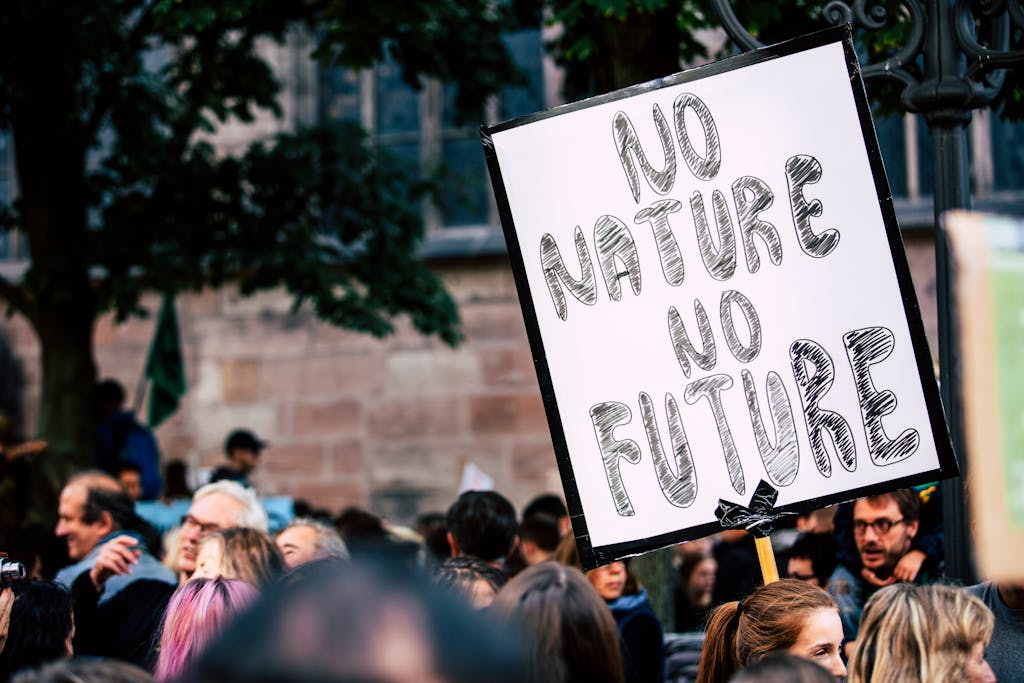
As climate negotiations continue, including future COP cycles, the absence of war from formal climate accounting becomes increasingly difficult to justify. Without integrating military emissions into reporting frameworks, climate targets remain incomplete by design. The carbon footprint of war is not an externality to climate change; it is becoming one of its most politically neglected drivers.

One Comment