
Suriname’s Rainforests and the Global Climate: Extraction, Development, and the Future of the Guiana Shield
A carbon-negative state at the centre of a global ecological contradiction
Climate discourse remains dominated by emissions targets, carbon markets, and the protracted choreography of international negotiations. Beneath these institutionalised debates lies a far more immediate and destabilising challenge: the gradual degradation of the ecological systems upon which modern economies fundamentally depend. Few countries illustrate this contradiction more clearly than Suriname.
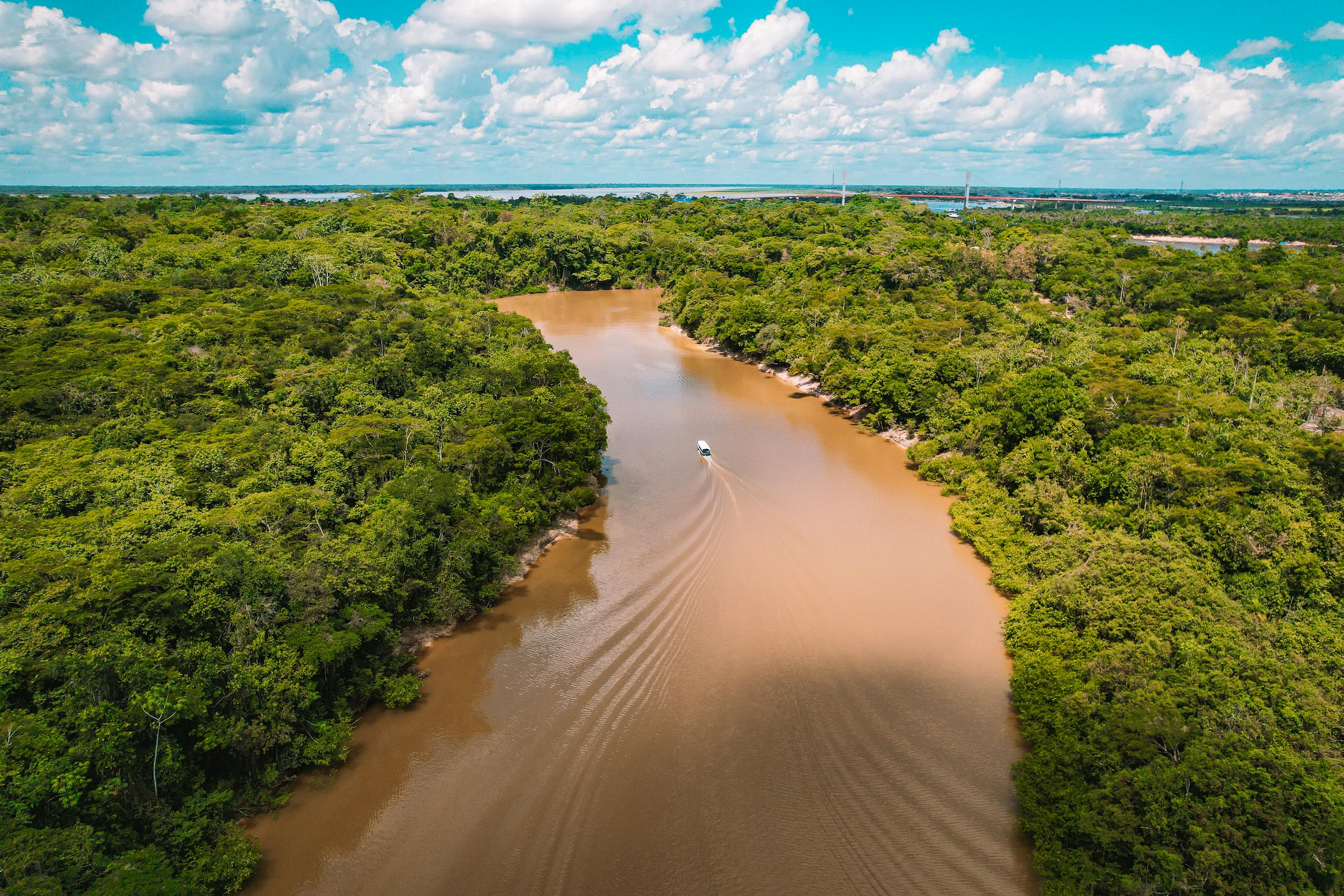
With a population of approximately 640,000 and one of the smallest economies in South America, Suriname is often perceived as geographically peripheral within global political and economic discussions. Environmentally, however, its strategic importance is anything but marginal. Approximately 90 percent of the country remains blanketed by dense tropical rainforest which absorbs over 20 million tons of carbon annually, making Suriname one of the most heavily forested nations in the world and one of the very few carbon-negative states within the international system.
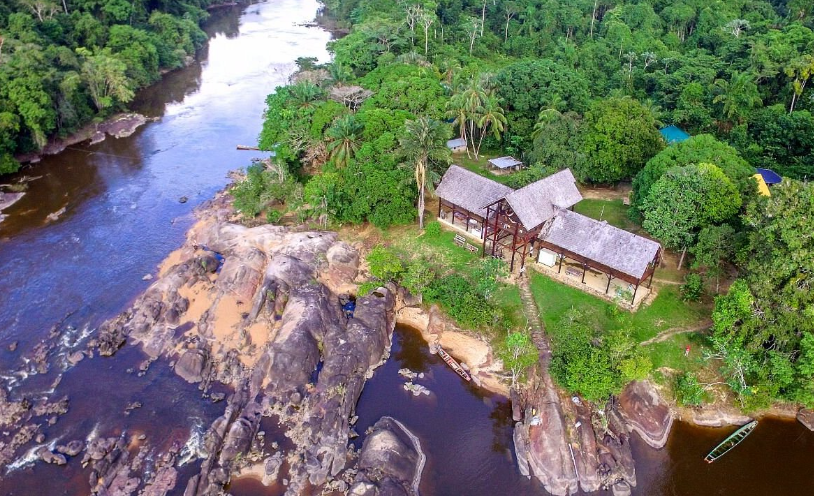
Situated within the Guiana Shield, an ancient geographical formation spanning northern South America, Suriname forms part of one of the planet’s most ecologically critical and least understood environmental systems. On The International Risk Podcast, climate economist and sustainability advocate John Goedschalk described the region not simply as rainforest, but as a functional continental climate engine. The Amazon rainforest is not only the “lungs of the Earth”; it is also an immense planetary-scale water production and distribution system.
At the heart of that system are the so-called “flying rivers”: vast atmospheric corridors of moisture originating over the Atlantic Ocean and transported across the Amazon Basin into South America’s agricultural heartlands. Through evapotranspiration, rainforest systems continuously recycle water into the atmosphere, effectively sustaining continental precipitation cycles. Brazil and Argentina, among the world’s largest agricultural exporters, remain highly dependent upon these hydrological dynamics for food production and economic stability.
Should deforestation and ecosystem degradation push the flying rivers beyond an as-yet undefined threshold, continental rainfall systems could begin to fragment, triggering cascading consequences for food security, freshwater access, agricultural productivity, and macroeconomic stability across much of the region. Scientists remain unable to determine precisely where this ecological tipping point lies, and it is precisely this epistemic uncertainty that constitutes part of the risk itself. Certain systems cannot be stress-tested indefinitely without potentially irreversible consequences.
In Indonesia, large-scale deforestation associated with palm oil expansion has contributed to altered rainfall dynamics and intensified peatland fires. In the Congo Basin, researchers increasingly warn that accelerated forest degradation and illegal logging may destabilise region precipitation systems in ways that remain insufficiently modelled. The Amazon is not unique in its vulnerability, but its scale renders the consequences global rather than regionally contained.
Extractive Pressure and the Political Economy of Survival
Suriname’s developmental trajectory is constrained by weak institutions, uneven economic diversification, and a persistent dependence on extractive industries. Gold, timber, and increasingly offshore oil continue to dominate the national economy, accounting for approximately 85% of total exports in 2022, while many interior communities continue to experience limited to no healthcare, education, transportation, and formal employment access.

Inequalities like this sit at the centre of Suriname’s environmental paradox. Within the forest interior, extraction is rarely characterised as an environmental choice; rather, it emerges as an economic survival mechanism within regions where alternative livelihoods remain limited or entirely absent. Artisanal and small-scale gold mining is estimated to support tens of thousands of livelihoods and has become one of the largest informal economic sectors operating across remote regions of the country.
As Goedschalk observes, much of this degradation is rooted less in environmental indifference than in economic necessity. Communities facing chronic poverty and limited opportunity frequently prioritise immediate survival over long-term ecological sustainability. Under such conditions, short-term extraction becomes rational within an otherwise structurally constrained economic environment.
In Brazil’s Yanomami territories, illegal mining operations have accelerated deforestation, contaminated waterways with mercury, and contributed to wider humanitarian crises involving malnutrition, disease outbreaks, and violent conflict linked to criminal extraction networks.
Across resource-rich developing economies, from cobalt extraction in the Democratic Republic of Congo to illegal gold mining in Peru and artisanal mining operations in Ghana, weak governance and elevated commodity prices repeatedly generate incentives for environmentally destructive extraction. In each case, global supply chains externalise ecological and social costs onto politically fragile regions while consuming economies continue to benefit from resource inflows.
Indigenous Communities and the Contest Over Land, Sovereignty, and Ecological Stewardship
The pressure confronting Suriname’s rainforests cannot be understood purely through environmental metrics alone. They are inseparable from the political economy governing land ownership, territorial rights, and resource extraction.
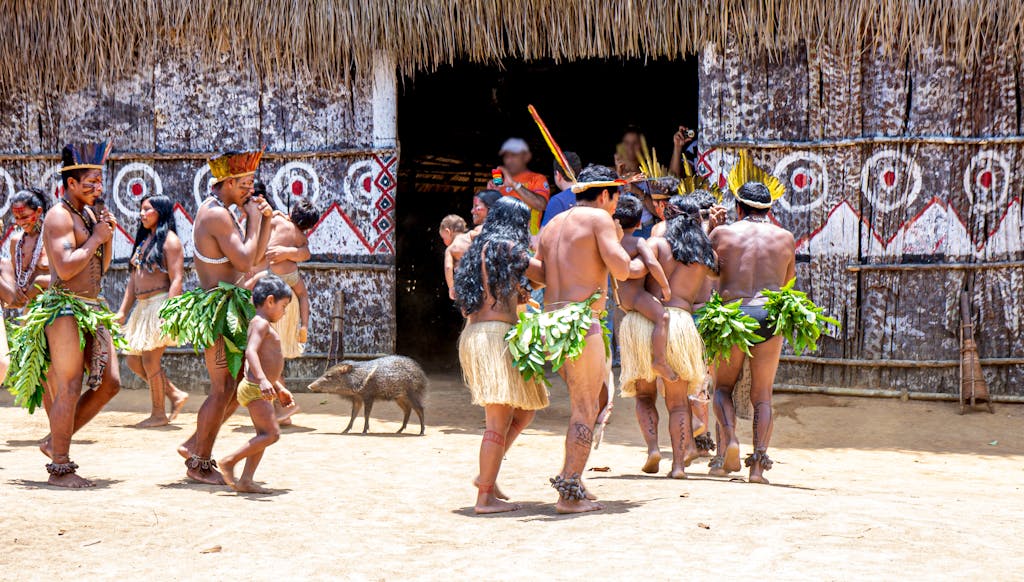
Indigenous and Maroon communities have functioned as the primary stewards of large sections of the rainforest for generations. Goedschalk argued during the interview that without Indigenous and tribal communities, the Amazon rainforest would likely have collapsed long ago. These communities continue to face multiple forms of pressure: environmental degradation, insecure land tenure, limited access to public services, and encroachment from mining and logging operations.
Saamaka communities in Suriname confront accelerating deforestation linked to logging and mining activities within traditionally occupied territories. Communities that have depended upon intact forest ecosystems for transportation, subsistence agriculture, fishing, and cultural continuity face polluted waterways, degraded forests, and declining access to natural resources essential for long-term survival.
At the centre of this conflict lies the continued absence of comprehensive legal recognition for collective Indigenous and tribal land rights. Although international legal bodies have repeatedly ruled that Suriname should strengthen protections for Indigenous and Maroon territories, implementation has remained politically contentious and institutionally inconsistent. Legal ambiguities leave communities vulnerable to overlapping concessions granted for mining and logging.
A Test Case for the Future of Ecological Stability
Suriname increasingly represents more than a national environmental challenge. It has become a strategic test case for whether the global economy is capable of meaningfully supporting countries responsible for protecting ecosystems essential to planetary stability.
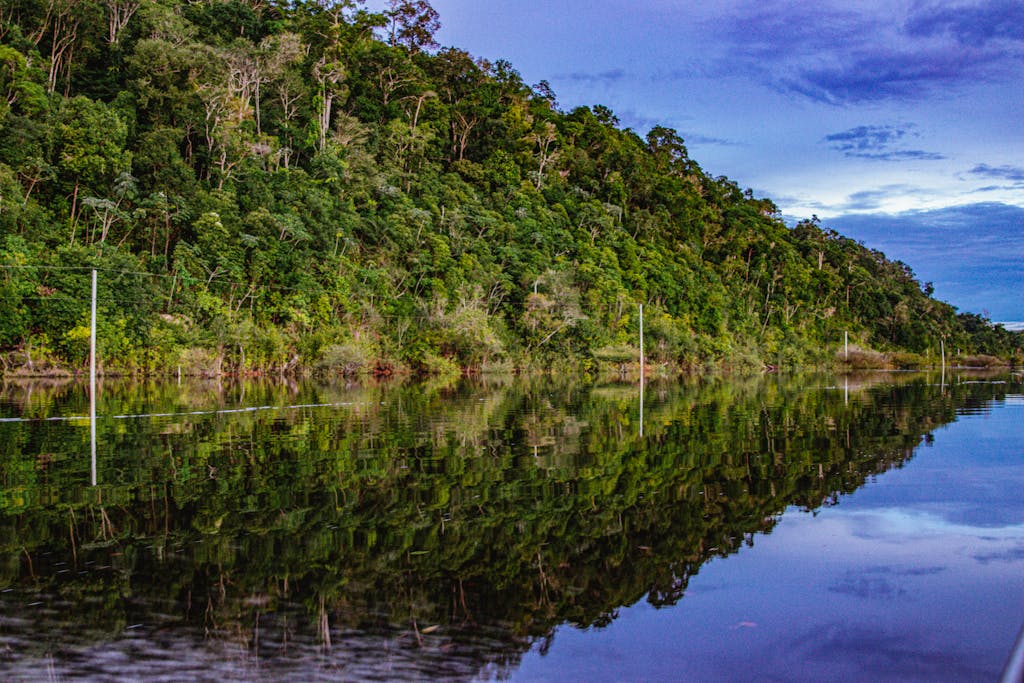
The degradation of the Guiana Shield would represent far more than a regional biodiversity crisis. It would signify the progressive erosion of ecological infrastructure upon which modern agricultural production, freshwater stability, and climate regulation depend.
The long-term future of Suriname’s forests may therefore depend not only upon domestic conservation efforts, but on whether international institutions, investors, and governments are willing to construct economic systems in which standing forests possess greater financial and political value than the commodities extracted from them.
The risk is no longer theoretical. The question is whether global political and financial systems can adapt before ecological thresholds are crossed that cannot be reversed.
