After the Fighting Stops: Landmines, Recovery and the Cost of Conflict
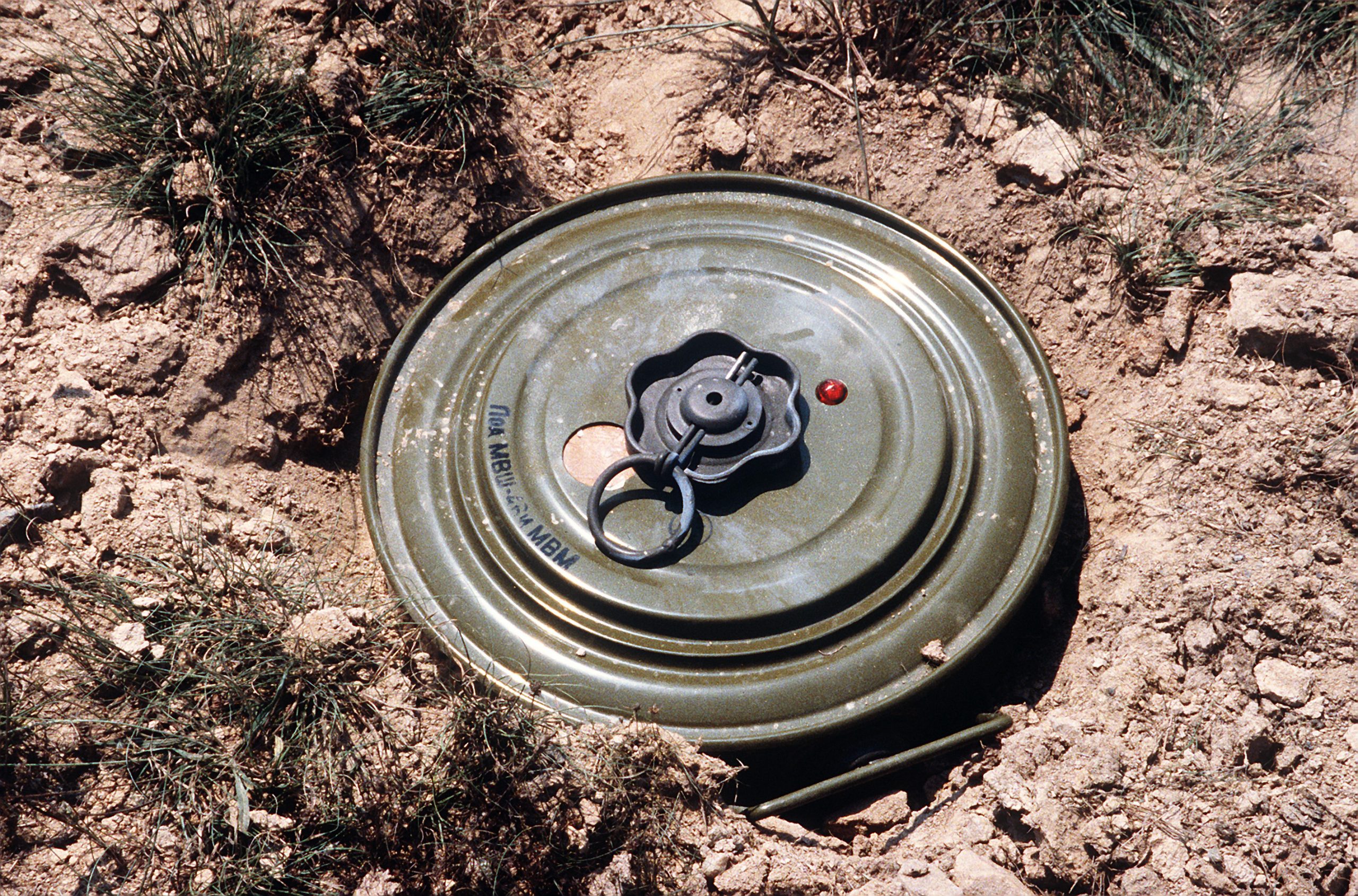
Wars do not end when the shooting stops. Across Ukraine, Syria, Myanmar, Afghanistan, and dozens of other conflict affected regions, communities continue to live with the hidden legacy of violence buried beneath their feet. Landmines, unexploded artillery shells, cluster munitions, and improvised explosive devices remain active long after ceasefires, peace agreements, or military withdrawals.
In this episode of The International Risk Podcast, Dominic Bowen speaks with James Denselow, Director of Strategy at The HALO Trust, about the enduring humanitarian, economic, and geopolitical consequences of landmines and explosive remnants of war. Drawing on more than two decades of experience working in conflict and post conflict environments, James explores how contamination affects not only civilian safety, but also food security, migration, reconstruction, economic recovery, and long-term human security.
At the centre of the discussion is a fundamental challenge often overlooked in international security conversations. Conflict is not binary. There is rarely a clear dividing line between war and peace. Instead, conflict exists on a spectrum, where communities may technically live outside active warfare while still facing the daily risks created by the weapons left behind.
James argues that explosive remnants of war force us to rethink what peace actually means. Even after front lines disappear, civilians may remain unable to safely farm their land, send children to school, rebuild homes, or return from displacement. In this sense, post conflict environments remain deeply shaped by violence long after formal hostilities end.
The Long Tail of Violence
One of the central themes of the conversation is the persistent nature of landmines as weapons. Unlike many conventional weapons systems, landmines are designed to remain hidden and active for years or even decades after deployment.
James describes them as a form of slow motion destruction. Once placed and activated, they continue shaping human behaviour, movement, and economic activity long after the military objectives that justified their use have disappeared.
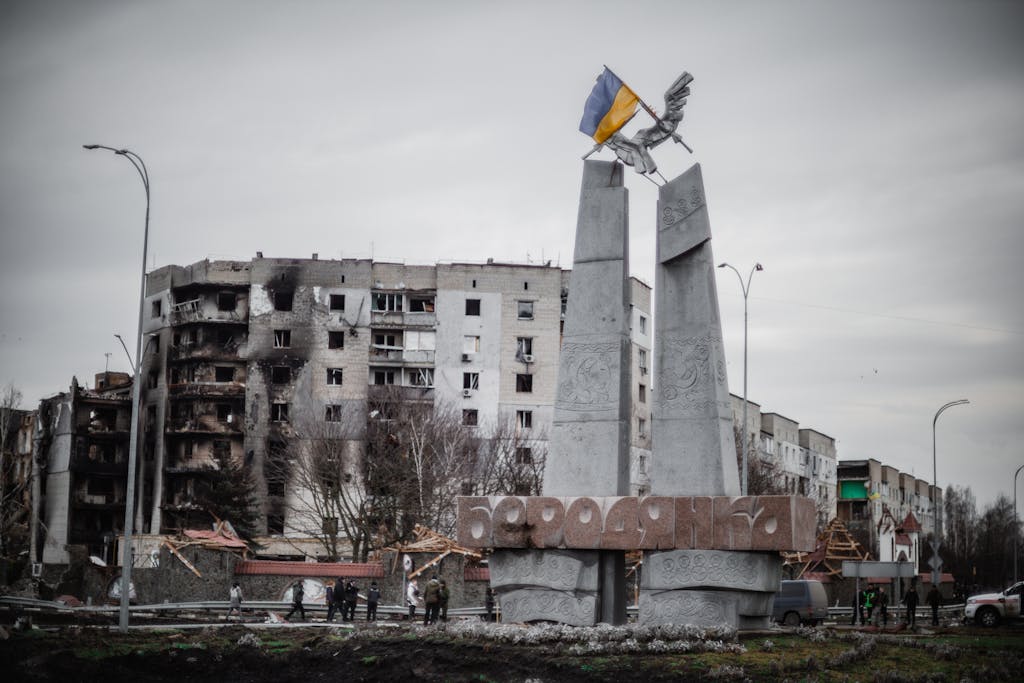
The episode highlights how this creates a uniquely damaging relationship between civilians and the land they depend upon. Agricultural fields become inaccessible. Infrastructure projects stall. Roads, schools, water systems, and homes become associated with uncertainty and fear.
Examples discussed throughout the episode range from ongoing mine clearance operations linked to the Second World War in Europe to modern contamination crises in Ukraine and Syria. Even today, communities across parts of Europe continue to face evacuations and disruptions caused by unexploded bombs buried generations earlier.
This long tail effect fundamentally alters recovery trajectories for conflict affected societies.
Why Children Are Disproportionately Affected
The episode also examines why children account for such a high proportion of landmine casualties globally.
According to James, children returning to conflict affected environments are often exposed to extraordinary risks because they naturally explore unfamiliar surroundings without recognising the danger posed by unexploded devices. Objects such as grenades, mortar rounds, or cluster munitions may appear harmless or even interesting to young children.
The consequences are devastating. Beyond the immediate fatalities, survivors often face lifelong injuries requiring extensive medical care, rehabilitation, and social support.
The discussion emphasises that landmine contamination creates generational impacts extending far beyond the original conflict. Entire communities may grow up shaped by risk education programmes, movement restrictions, and the normalisation of danger within everyday life.
James reflects on the disturbing reality that in some countries children must routinely receive education on how to avoid explosive devices as part of ordinary schooling. While these programmes save lives, they also illustrate the extent to which conflict continues shaping societies long after active combat ends.
The Future of Mine Action and International Security
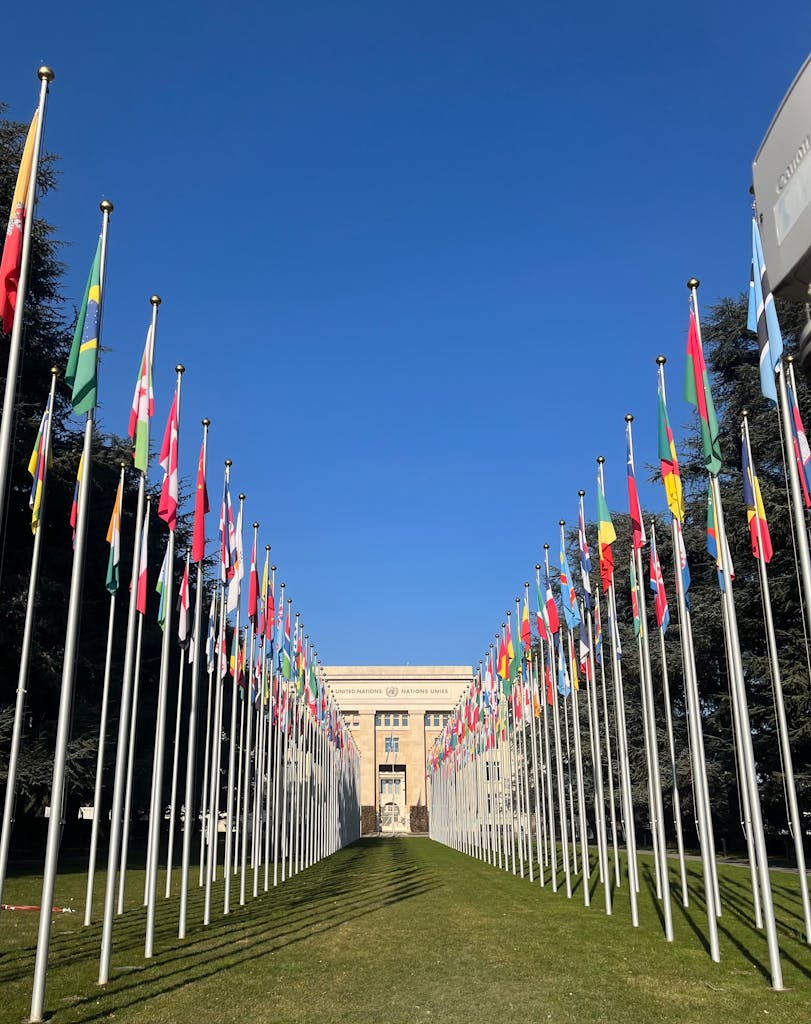
The discussion also addresses growing concerns surrounding the future of international arms control frameworks, particularly the strain facing international treaties amid rising geopolitical tensions in Europe.
James acknowledges that several states bordering Russia are reassessing their relationship with anti-personnel mine restrictions due to fears of future conflict. However, he also notes that many military planners increasingly recognise the enormous long-term costs associated with mine deployment.
The conversation highlights a broader tension shaping contemporary international security. States are once again prioritising territorial defence and military preparedness, while humanitarian funding for mine action and post conflict recovery faces increasing pressure.
For organisations such as The HALO Trust, this creates a difficult paradox. As conflict risks increase globally, the need for clearance operations expands at precisely the moment many governments are reducing development and humanitarian spending.
Despite these challenges, James remains cautiously optimistic about the long-term trajectory of mine action. Since the late 1990s, global casualty numbers have fallen significantly due to clearance efforts, education programmes, and international cooperation.
Still, the episode closes with a warning that the risks posed by explosive remnants of war are likely to persist as long as conflict itself continues.
Rethinking What Peace Means
Ultimately, the episode challenges conventional understandings of both conflict and peace.
James argues that the world increasingly needs to move beyond viewing war and peace as separate categories. Even after active fighting stops, communities often continue living within landscapes shaped by violence, uncertainty, and physical danger.
In this sense, post conflict recovery cannot simply be measured by ceasefires or political agreements. Genuine recovery requires restoring people’s ability to safely move, work, farm, build, and live without fear.
The conversation presents mine action not merely as a humanitarian task, but as a fundamental component of long term security, resilience, and development.
As conflicts continue evolving across multiple regions, the hidden legacy of war beneath the ground may remain one of the defining international risks of the coming decades.