

Phil Booth
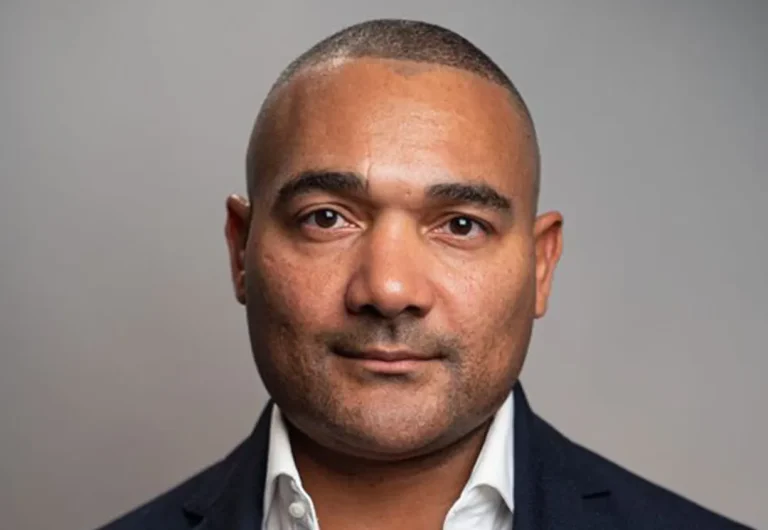
Phil Booth is a leading British campaigner on medical confidentiality, patient consent, digital identity and the governance of personal data. He is the coordinator of medConfidential, an independent, non-partisan organisation campaigning for confidentiality and consent in the use of health and social care information.
Through medConfidential, Phil has been closely involved in many of the UK’s most significant debates over health-data policy, including care.data, the national data opt-out, General Practice Data for Planning and Research, the extraction of GP records and the growing use of large-scale data platforms across the NHS. His work focuses on whether patients understand how their information is collected, linked, shared and reused; whether opt-outs provide meaningful control; and whether pseudonymised health data can truly be treated as anonymous when connected across systems over time.
Before establishing medConfidential, Phil was National Coordinator of NO2ID, the cross-party campaign opposing compulsory identity cards and the National Identity Register. He has since returned to the role amid renewed debate over digital identity in the UK and the growing use of automated systems in public services.
Phil has given evidence to Parliament on patient-data governance, privacy and government information systems, and regularly contributes to public debates on confidentiality, surveillance and the outsourcing of public-sector technology. His recent work has examined Palantir’s expanding role in the NHS, the risks of vendor lock-in, the limits of current patient opt-outs and the wider consequences of allowing critical public infrastructure to become dependent on privately controlled data platforms.




2 Comments