Violence as a Tax on Development: Growth, Risk, and Policy Failure in Latin America
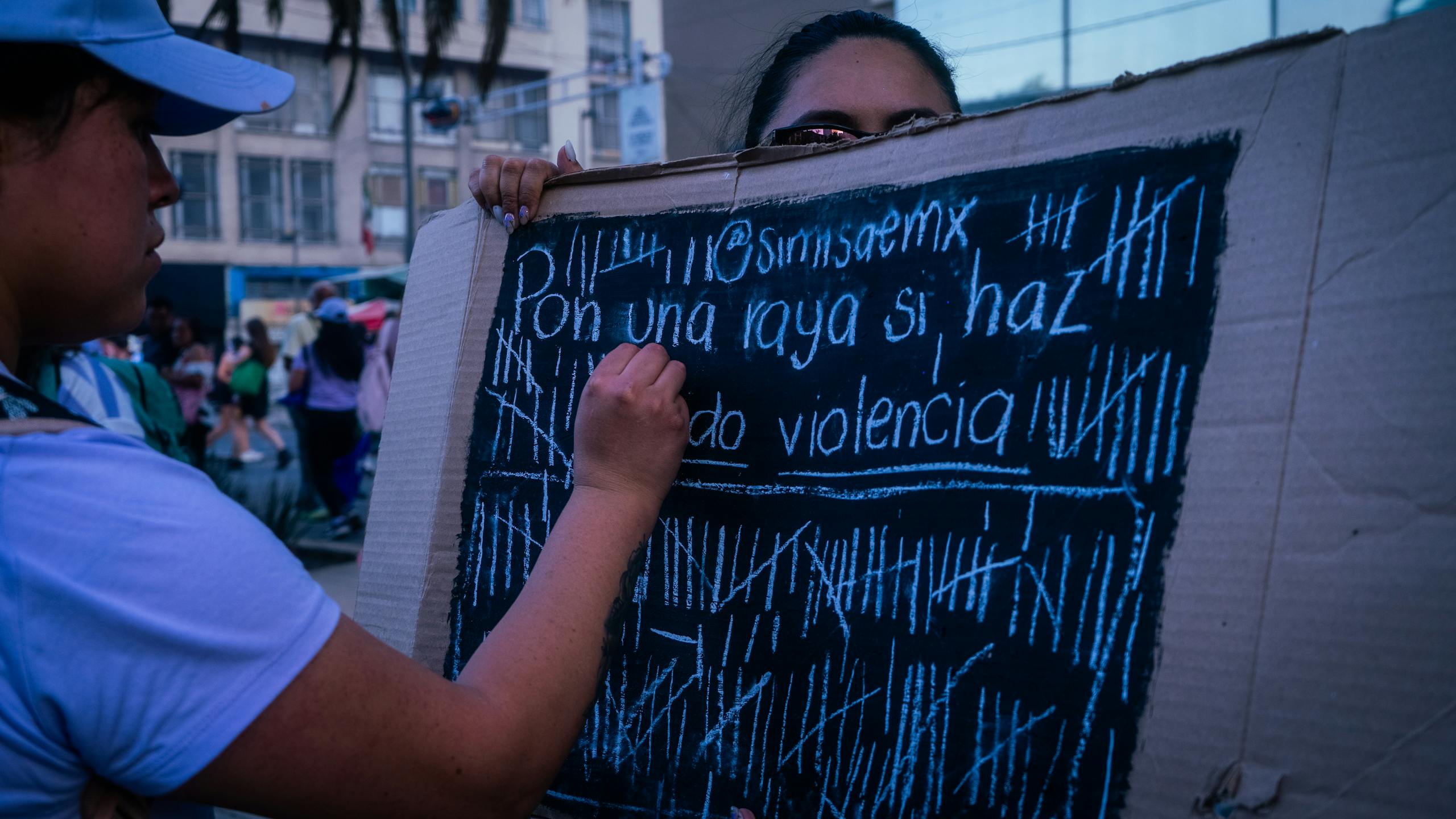
Violent crime in Latin America and the Caribbean (LAC) has for decades imposed a heavy toll on lives and economic performance. Outside of active war zones, the region remains the most violent in the world, accounting for roughly one-third of global homicides despite just 8% of the global population. The economic consequences are equally severe. Understanding violence as a structural tax on growth, one the region can no longer afford, offers a clearer plan for policy action.
Estimates from the Inter-American Development Bank suggest that crime and violence cost LAC economies around 3-3.5% of GDP annually, equivalent to hundreds of billions of dollars in lost output. These losses are comparable to major public spending categories and represent foregone investment and weaker productivity. Most crucially, these figures have remained broadly consistent over time.
The Economic Impact of Crime: Growth and Investment
Direct losses from homicides, theft, and property crime are compounded by the financial burden of policing, courts, and incarceration. Beyond this, businesses incur considerable private security costs, often allocating notable shares of revenue to risk mitigation. The diversion of capital reduces investment in expansion, innovation, and job creation.

These facts only capture part of the impact. Violent crime restructures economic behaviour in ways that are harder to quantify. Firms delay or cancel investment in high-risk environments. Foreign investors favour more stable jurisdictions, contributing to uneven development across and within countries. Labour markets are distorted as insecurity limits mobility and participation, particularly in vulnerable communities.
In some contexts, organised crime operates as a parallel economic system. In Mexico, for example, criminal groups are estimated to be the fifth largest employer in the country, having approximately 175,000 members. Where formal employment opportunities are limited, dual labour markets are created, drawing workers into illicit activities while debilitating the formal economy.
Organised Crime and Transnational Risk: How Global Markets Drive Violence

Drug trafficking, arms flows, and illicit financial networks connect local crime to global demand. Efforts to suppress these markets through enforcement have often produced unintended side effects.
This is Mexico’s experience since the mid-2000s. Militarised crackdowns contributed to the fragmentation of criminal groups, aggravating competition and driving homicide rates above 20 per 100,000 in several periods.
External demand, primarily from the United States, drives the majority of narcotics production and trafficking in Mexico, with an estimated 70% to 90% of methamphetamine and significant portions of heroin, marijuana, and cocaine entering the US through the Mexican corridor. Demand in Europe has also grown, contributing to record-high levels of international illicit drug trade, continuing to maintain these networks.
Concentrated Violence and Inequality: Who Faces the Highest Risk?
At the same time, violence is highly concentrated. A relatively small segment of the population, often 5-10% of young men in marginalised areas, accounts for an excessive share of violent activity. Patterns like these are reinforced by spatial inequalities. Within cities, some neighbourhoods experience levels of violence comparable to conflict zones, while others remain relatively stable.

Around 40 of the world’s 50 most violent cities are located in LAC, with 50% of crimes concentrating in just 2.5% to 3% of street segments. This is closely linked to limited state presence and access to services. In regions characterised by high inequality and limited social protection, illicit economies can offer both income and status. Still, policy responses have often prioritised enforcement over prevention, with public spending skewed toward policing and incarceration.
Policy Responses to Crime: What Works in Reducing Violence
Despite the scale of the challenge described, evidence suggests that reductions are achievable. Cities such as Bogotá demonstrates that sustained, multi-sector interventions, combining gun control, alcohol restrictions, and targeted social programmes, can notably reduce homicide rates over time, especially in ‘hot spots’. This approach is explored in The International Risk Podcast‘s interview with Irvin Waller, highlighting how prevention-focused strategies outperform reactive policing models.
Similar approaches in Glasgow and several US cities have delivered reductions of 40-50% within a few years, particularly when focused on high-risk individuals and locations. These interventions treat violence not just as a policing issue, but as a preventable outcome moulded by identifiable risk factors.
LAC economies possess potential, from natural resources to demographic advantages. As long as violence continues to impose a persistent tax on growth, however, this potential will remain constrained. Reducing violence is not only a security matter, but also a prerequisite for sustainable development.