
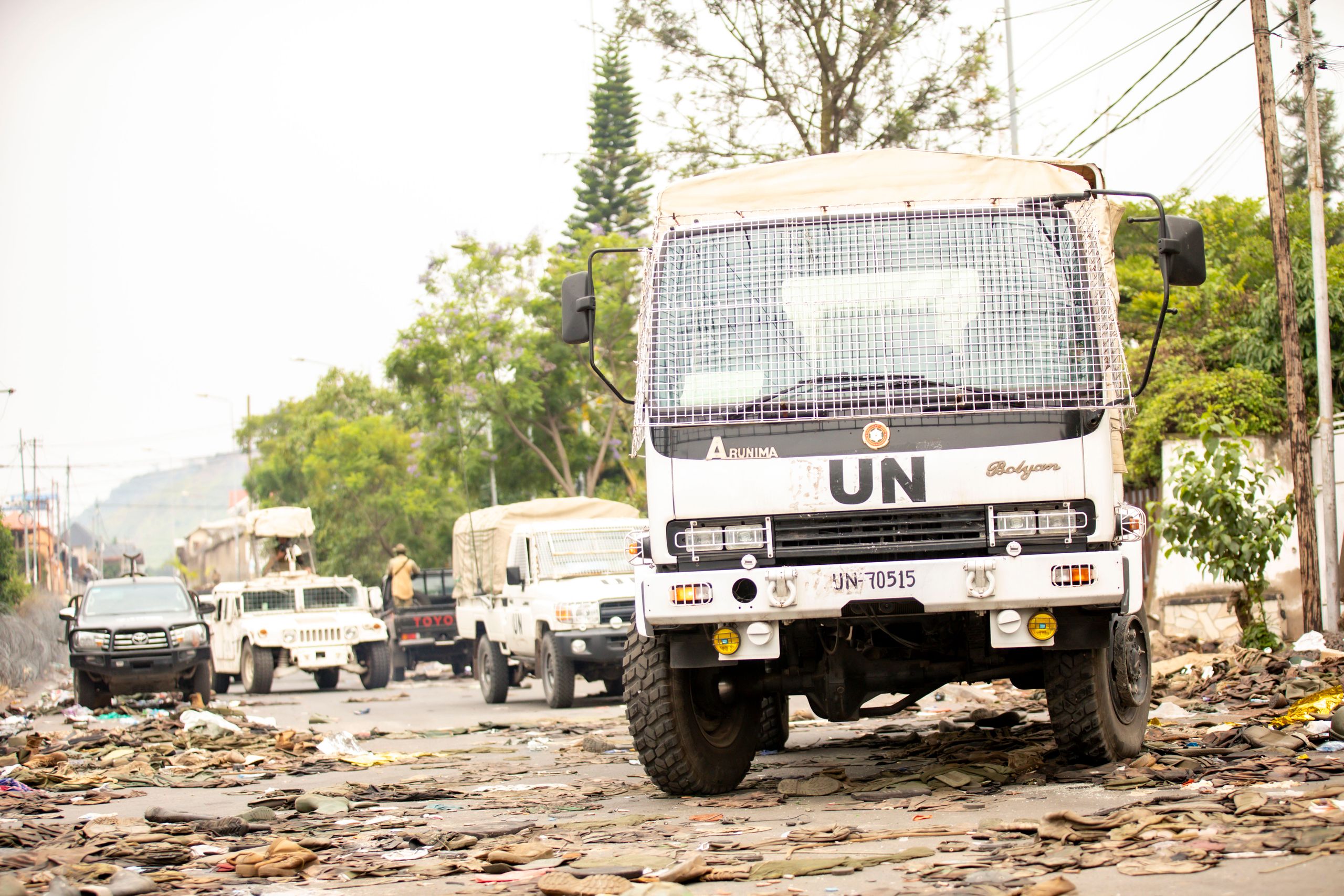
Civil-Military Coordination Isn’t Broken, It’s Solving the Wrong Problem
Civil-military coordination is posited as a communication problem. Post-crisis analyses largely attribute failure to fragmented information flows, weak liaison structures, or ineffective reporting architectures between military and civilian actors.
As David Higgins argued in a recent episode of The International Risk Podcast, this interpretation is incomplete.
Coordination rarely fails because institutions are unable to communicate. It fails because they are operating on divergent interpretations of the same reality, pursuing different strategic logics while believing they are engaged in a shared enterprise.
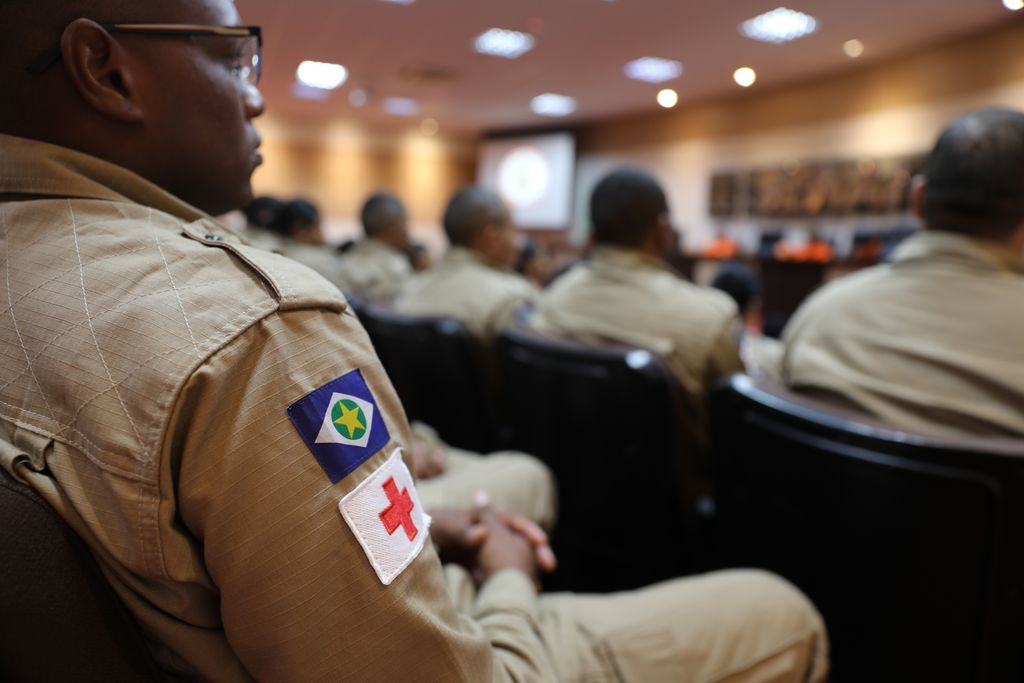
The distinction is not semantic, it is structural. Military forces, humanitarian organisations, development agencies, and diplomatic actors routinely inhabit the same operational environments. They attend the same coordination meetings, circulate within the same theatres, and reference the same populations. Still, they define success differently, assess risk through incompatible foresights, and construct legitimacy in distinct ways.
The problem, therefore, is not proximity. It is epistemic misalignment.
Speaking the Same Language, Meaning Different Things
Higgins experienced this as a Civil-Military Cooperation (CIMIC) officer with the British Army in the Helmand Province.
Within the International Security Assistance Force (ISAF), military planners conceptualised Helmand through a counterinsurgency framework. The operational centre of gravity was the Taliban insurgency, and success was measured through territorial control, disruption of insurgent networks, and extension of Afghan National Security Forces’ authority.
Within this, development interventions, often delivered through Provincial Reconstruction Teams (PRTs), were instrumentalised as force multipliers. Projects funded by USAID or DFID, such as irrigation rehabilitation in Nad Ali or road construction along key supply routes in Lashkar Gah, were interpreted as ways to enhance support and degrade insurgent influence.
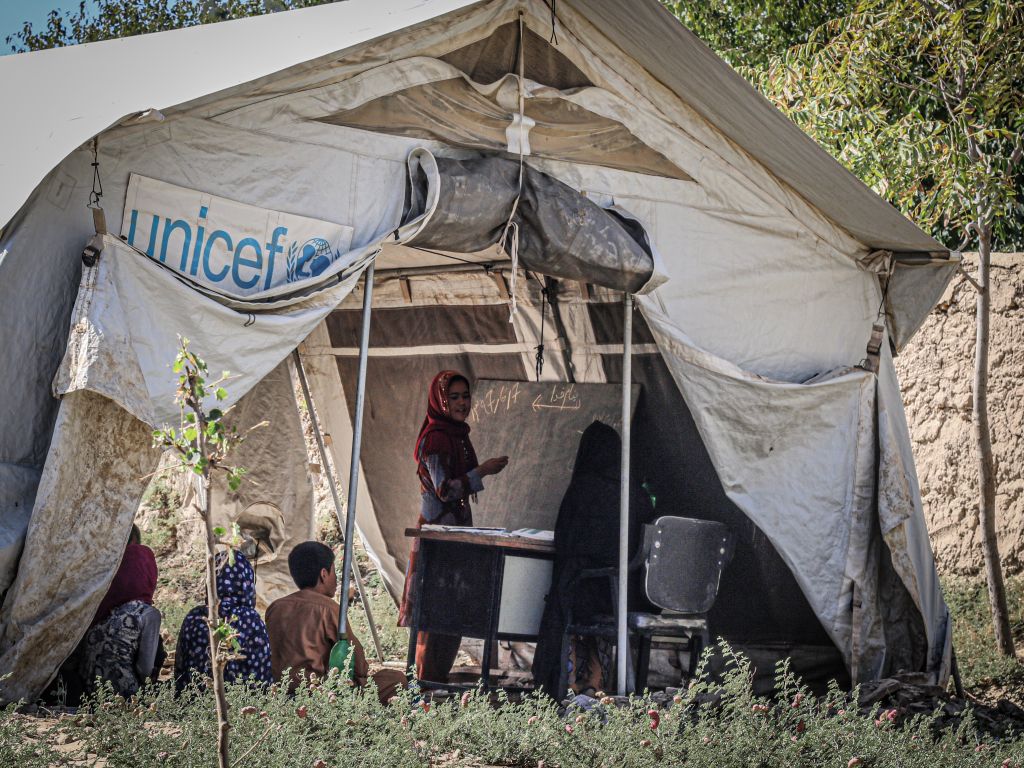
Civilian stabilisation actors, in contrast, operated from a different foundation. Many within UNAMA, OCHA, and associated development agencies outlined the conflict less as a kinetic contest and more as a deficit of governance legitimacy within Afghan provincial institutions, particularly line ministries such as the Ministry of Rural Rehabilitation and Development.
From here, military operations were not the organising logic of intervention but a precondition for political and institutional consolidation.
As Higgins observed, both civilian and military actors sat within the same forward operating bases, Camp Bastion being the most prominent, reviewing identical district-level data from Helmand River Valley operations. Even with this proximity, military staff frequently interpreted development programming as part of the counter-insurgency campaign, while civilian actors understood military activity as a temporary security overlay enabling longer-term state formation.
This ended not in disagreement over vocabulary, but divergence in ontology: identical terms such as “stability,” “governance,” or “population engagement” were fixed in incompatible conceptualisations.
Operational Consequences of Institutional Misreading
During the height of operations in Helmand, British military units reportedly distributed non-essential goods, including colouring books and football kits, in districts such as Sangin and Musa Qala. The intent was to signal benevolent presence and generate local goodwill in contested areas.
From a tactical perspective, such gestures were understood as low-cost instruments of influence within population-centric counter-insurgency doctrine.
These interventions failed to account for granular socio-political realities within local communities already navigating coercion, taxation, and intimidation by Taliban shadow governance. In some cases, such symbolic gestures were not only ineffective but misaligned with local perceptions of risk, legitimacy, and affiliation.
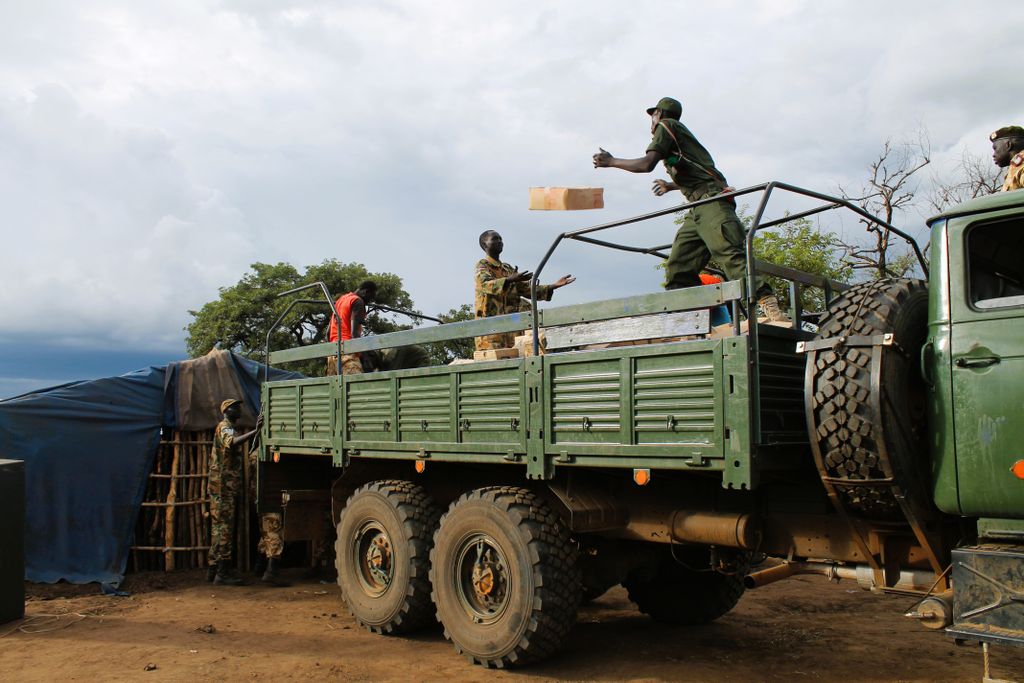
A contrasting example emerged in Somalia, where coordination between the United Nations Assistance Mission in Somalia (UNSOM), the African Union Mission in Somalia (AMISOM), and humanitarian actors such as Médecins Sans Frontières revealed a diverging tension.
In Mogadishu, AMISOM forces operated under mandate-driven stabilisation objectives focused on territorial clearance and containment of Al-Shabaab. Humanitarian actors sought to maintain strict neutrality in order to preserve access to internally displaced populations in camps such as Dadaab and Afgooye corridor settlements.
When military coordination cells proposed structured information-sharing for convoy movement planning, humanitarian agencies expressed concern that such integration risked compromising independence. Even indirect association with military operational planning risked altering how armed non-state actors interpreted humanitarian presence.
Stabilisation and Humanitarian Action are not the Same Thing
A persisting analytical error in civil-military discourse is the conflation of stabilisation and humanitarian action as similar domains. They are not.
Stabilisation operations, such as those conducted under NATO and EU in Afghanistan and later adapted in Iraq under coalition advisory missions, are explicitly political instruments. They seek to reconstruct governance legitimacy, restore administrative capacity, and enable state authority. Organisations such as USAID, DFID, and military engineering units operate in synchronised fashion toward these ends.
Humanitarian action derives legitimacy from principled detachment instead. Organisations such as the International Committee of the Red Cross (ICRC) AND MSF operate under doctrines of neutrality, impartiality, and independence, codified not as ethical preferences but as operational prerequisites for access in contested environments.
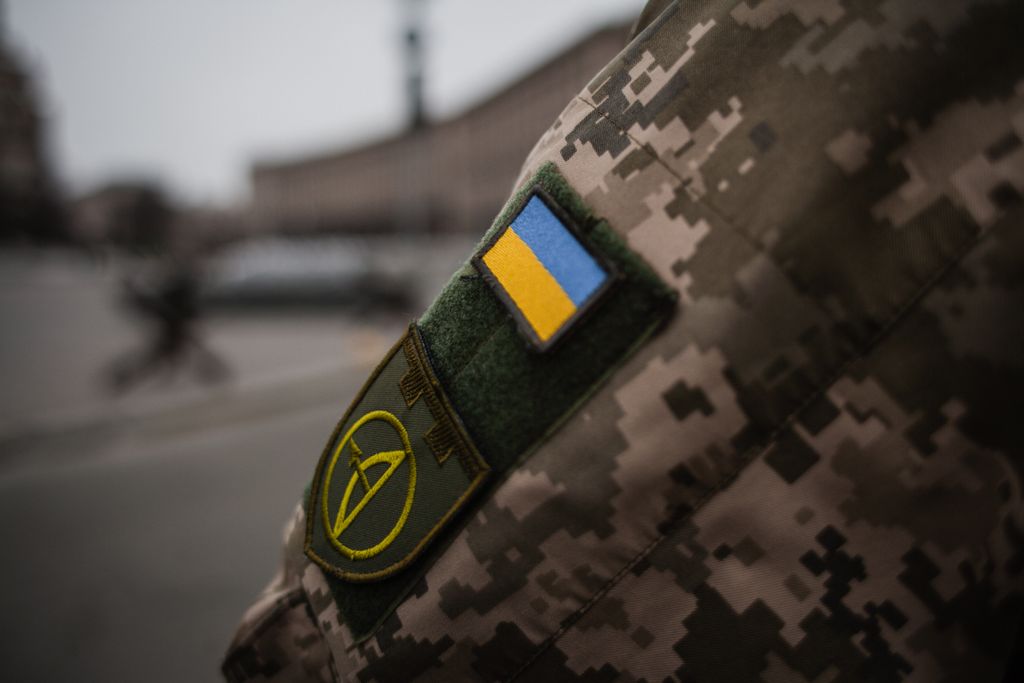
This distinction becomes particularly visible in Eastern Ukraine following 2022.
While Ukrainian state institutions, NATO-aligned advisors, and European reconstruction actors coordinated efforts around energy infrastructure resilience, particularly in Kharkiv and Dnipro regions, humanitarian organisations negotiated access corridors for civilian evacuation and medical supply delivery under conditions shaped by shifting front lines and Russian missile targeting of grid infrastructure.
The Fragility of Perception in Complex Environments
A recurring insight from Higgins’ analysis is that operational effectiveness is determined less by formal mandate and more by external perception.
Humanitarian principles function, in practice, as instruments of access preservation. Once an organisation is perceived, by communities, armed groups, or local authorities, as aligned with a political or military actor, its operational space contracts regardless of its formal independence.
This was evident during Ebola response operations in West Africa (2014-2016), particularly in Liberia, where UNMEER coordination structures and US military logistical support intersected with NGOs such as the International Federation of Red Cross and Red Crescent Societies (IFRC).
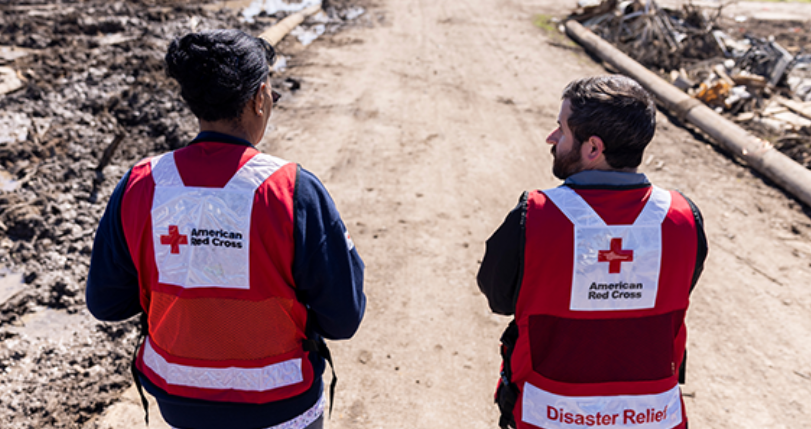
Despite shared objectives in epidemic containment, the visible association between military assets and humanitarian delivery in certain districts created hesitation among local populations, who interpreted intervention through pre-existing political narratives of external control.
Perception, rather than intent, became the determining variable.
The Structural Limits of Existing Frameworks
In Ukraine, the integration of private logistics firms, satellite communications providers, and digital infrastructure companies such as SpaceX’s Starlink network shows the expanding role of commercial actors in conflict environments.
In Somalia and the Sahel, transnational armed groups exploit informal economies, mobile financial systems such as M-Pesa, and cross-border trade networks that sit outside traditional state-centric coordination models.
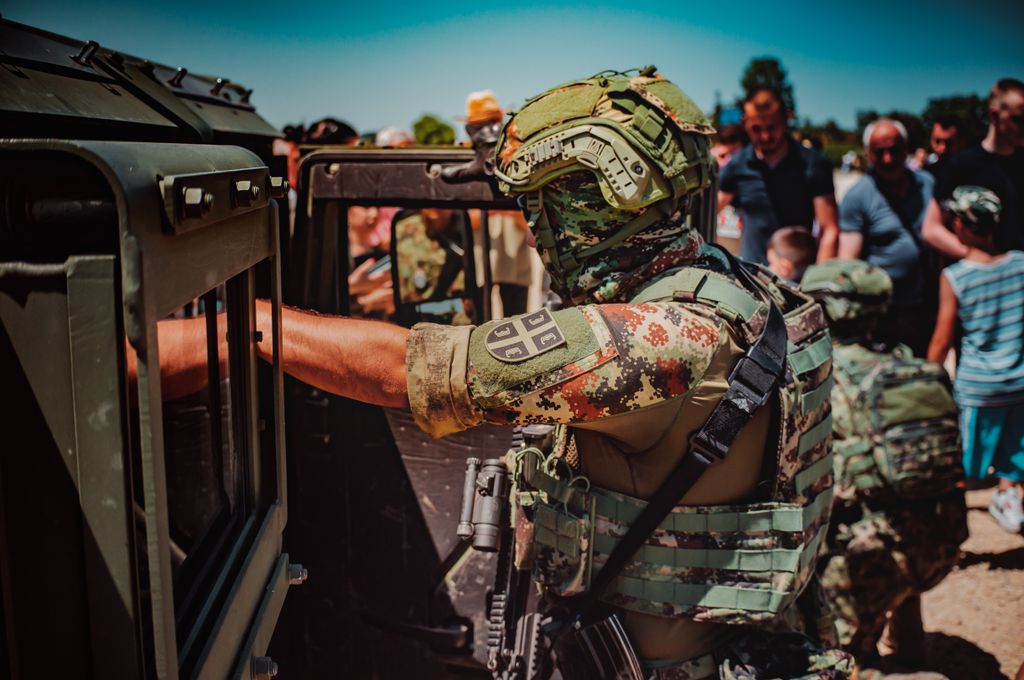
This new operating environment extends far beyond the original design parameters of post-Cold War CIMIC doctrine.
The future of civil-military coordination will depend less on procurement refinement and more on interpretive capacity.
The challenge is not simply to improve communication between institutions, but to recognise that different institutions are operating within different conceptual worlds.
As David Higgins argued, coordination failures rarely occur because actors stop communicating. They occur because communication creates the illusion of shared understanding where none exists.
In an era where the boundaries between civilian and military space are increasingly porous, that illusion may be one of the most consequential risks of all.


One Comment