
Maritime Chokepoints and Global Shock: The Strait of Hormuz and the Fragility of Trade
In this episode of The International Risk Podcast, Dominic Bowen speaks with Dr Emma Salisbury, a leading expert on maritime security and naval power, about the global implications of disruption in the Strait of Hormuz and what it reveals about the vulnerability of modern trade systems.
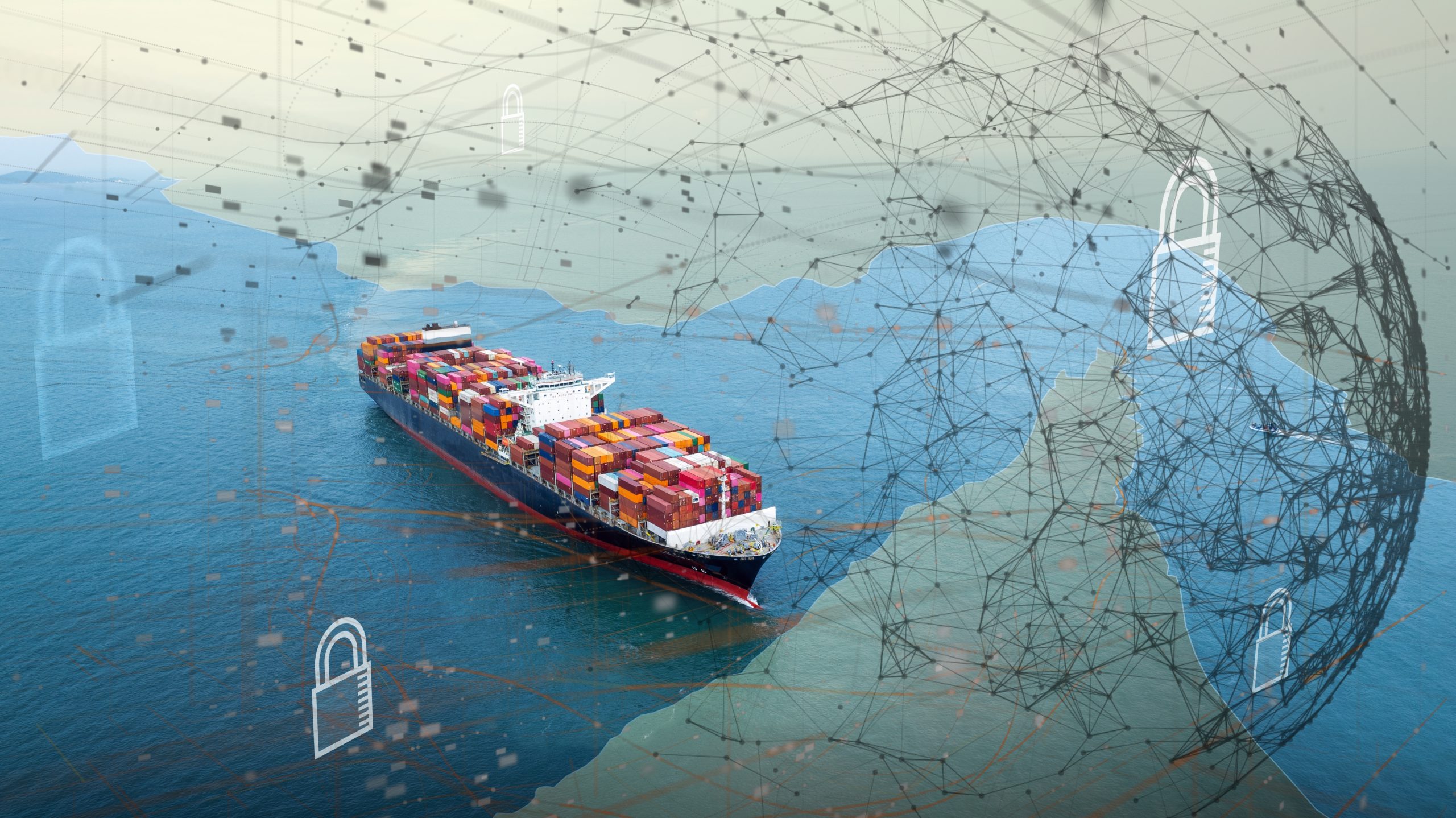
The Strait of Hormuz is one of the narrowest and most strategically important waterways in the world, carrying roughly a fifth of global seaborne energy trade. Its recent disruption has once again demonstrated how a regional confrontation can rapidly escalate into a global economic shock, affecting fuel prices, shipping routes, insurance markets, and economic confidence worldwide.
What makes this moment particularly striking is not that disruption occurred, but that it was so widely anticipated. As Dr Salisbury explains, the risks associated with chokepoints like Hormuz have long been understood, and extensively planned for by military and policy communities. Yet despite this awareness, the global system remains heavily dependent on a small number of critical maritime corridors, leaving it exposed to precisely the kind of shock that has now unfolded.

The Vulnerability of Chokepoints
The Strait of Hormuz is not unique. Similar dynamics exist in other key waterways, from the Strait of Malacca to the Baltic Sea. These locations concentrate vast flows of trade into narrow geographic spaces, creating structural vulnerabilities that can be exploited with relatively limited means.
Dr Salisbury highlights how even minor interference, whether through harassment, seizures, or the threat of force, can significantly disrupt shipping activity. In the case of Hormuz, traffic dropped dramatically within days, not only because of direct physical risk, but because insurers withdrew coverage and ship operators hesitated to enter an increasingly uncertain environment.
This demonstrates that disruption is not purely a military problem. It operates through economic and psychological channels, where perception of risk can be as important as actual threat.

The Imbalance Between Closure and Reopening
A key theme in the discussion is the imbalance between how easily maritime routes can be disrupted and how difficult they are to restore.
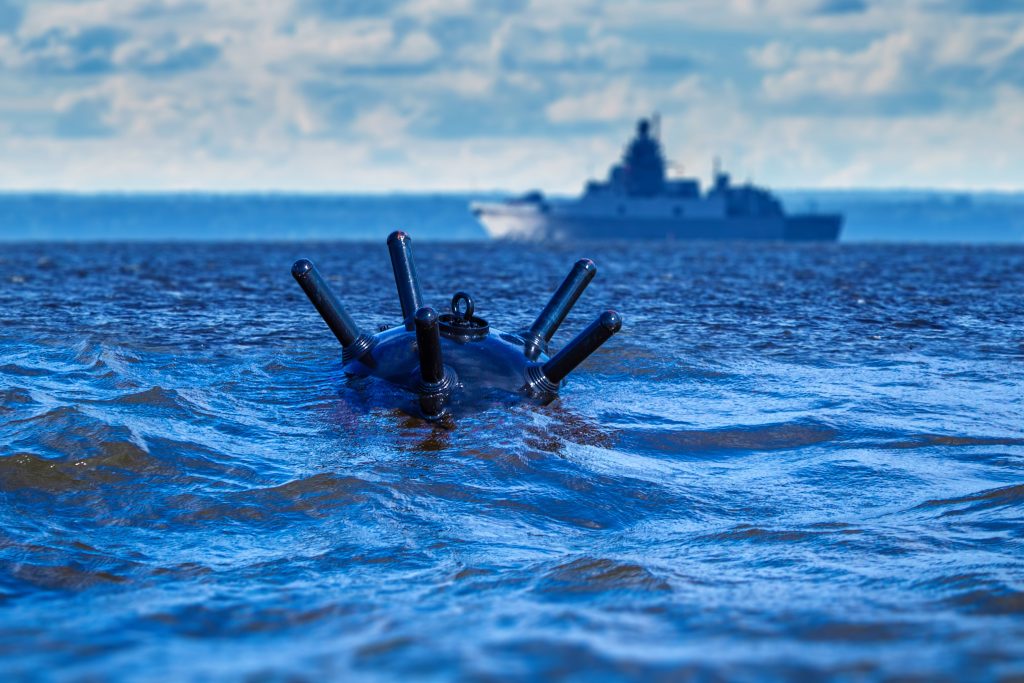
Closing a chokepoint can be achieved relatively quickly through asymmetric means. Reopening it, however, is a far more complex task. It requires sustained naval operations, mine clearance, coordination between allies, and the gradual return of commercial confidence.
Even where military capability is overwhelming, restoring normal shipping activity can take months. As Dr Salisbury notes, this reflects a broader shift in maritime security, where the ability to disrupt trade may outweigh the ability to guarantee its protection
Contestation at Sea
The episode also situates the Strait of Hormuz within a wider pattern of increasing contestation across the maritime domain.
From the South China Sea to the Baltic, states are testing boundaries through a mix of military presence, legal claims, and grey-zone tactics. Disputes over what constitutes international waters are becoming more frequent, creating an environment in which navigation, sovereignty, and security are increasingly intertwined.
Dr Salisbury points to incidents where naval vessels operate in areas considered international by some actors but sovereign by others, illustrating how legal ambiguity is becoming a central feature of maritime competition.
Maritime Risk as Systemic Risk
One of the most important insights from the conversation is how maritime disruption translates into broader systemic risk.
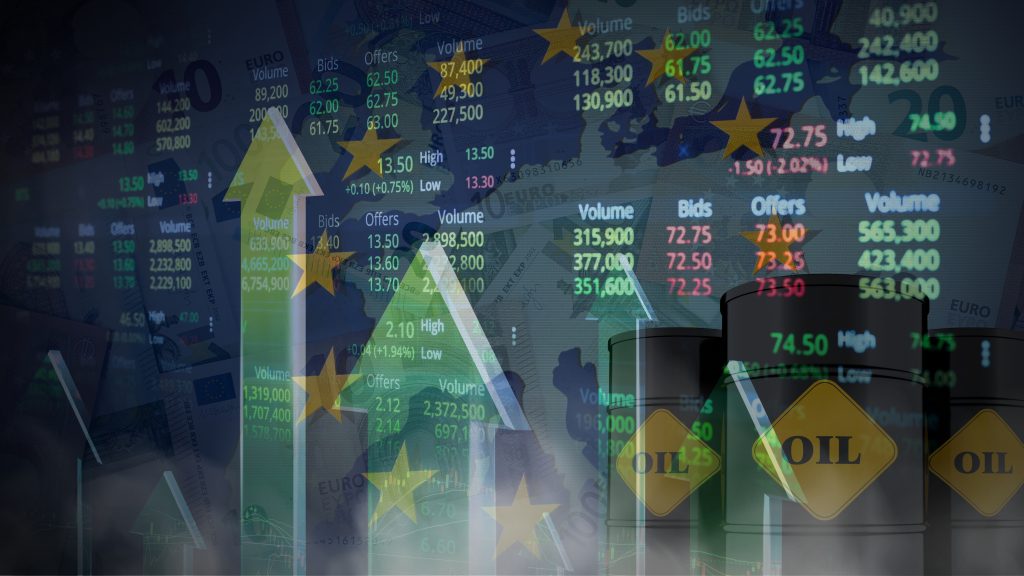
The effects of disruption in Hormuz were felt almost immediately across global markets. Rising fuel prices, supply chain delays, and increased costs for shipping and insurance all contributed to wider economic pressure. In some cases, these impacts were more severe in regions far removed from the conflict itself.
Despite this, responses often remain short-term, focused on managing immediate consequences rather than addressing underlying vulnerabilities. As Dr Salisbury notes, this reflects a persistent gap between recognising risk and restructuring systems to mitigate it.
Rethinking Maritime Security
The Strait of Hormuz crisis highlights a broader challenge for policymakers and business leaders alike. Maritime security is not simply about naval capability, but about the resilience of the systems that depend on it.
As global trade continues to rely on concentrated routes, disruption will remain both likely and impactful. The question is not whether such events can occur, but how prepared states and organisations are to manage their consequences.
For Dr Salisbury, this moment serves as a reminder that maritime risk is not a peripheral issue, but a central feature of the global system. Understanding how these vulnerabilities operate is essential for navigating an increasingly contested and uncertain world.





One Comment