
Why Critical Minerals Are Reshaping Power, Prosperity and Peace
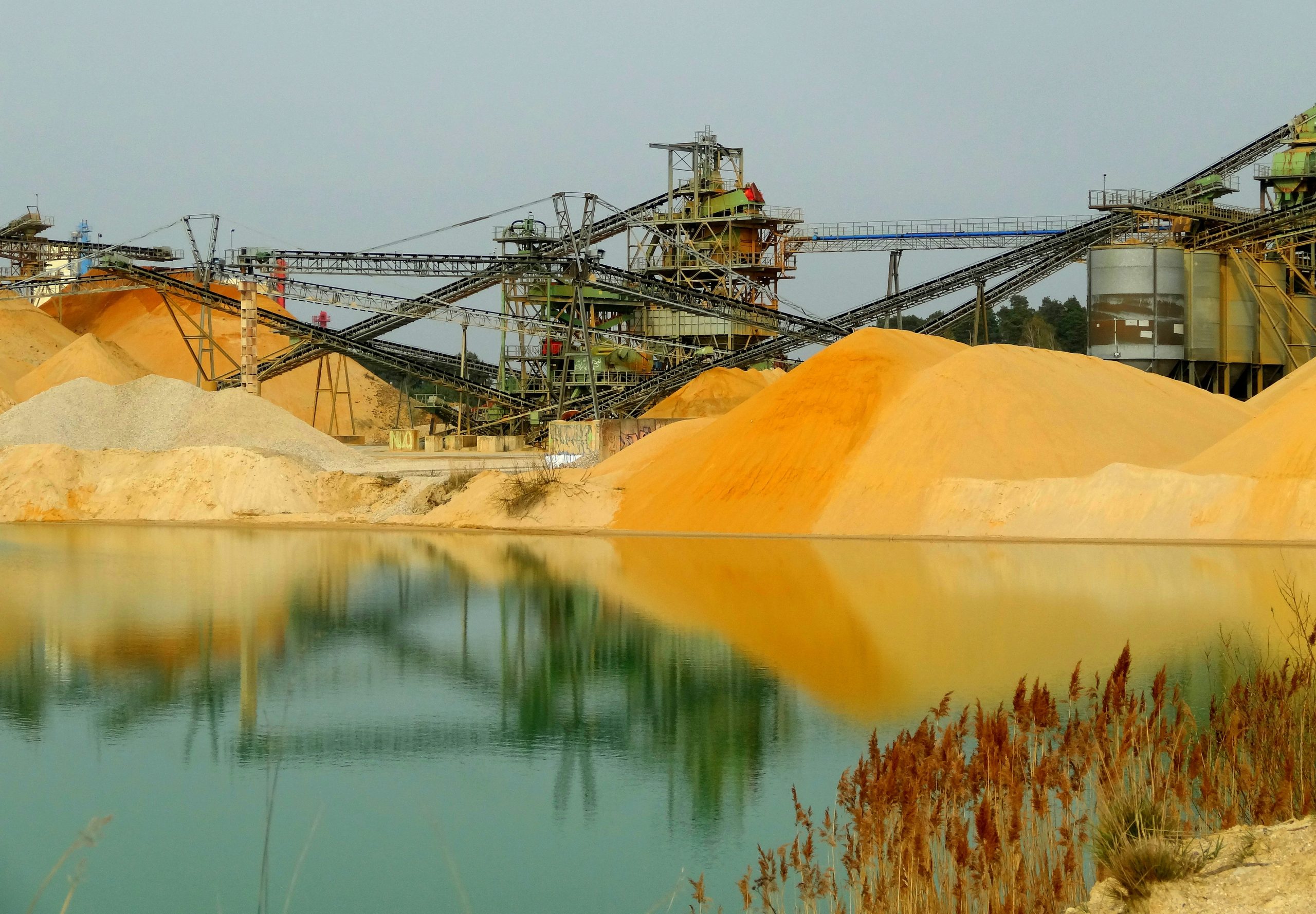
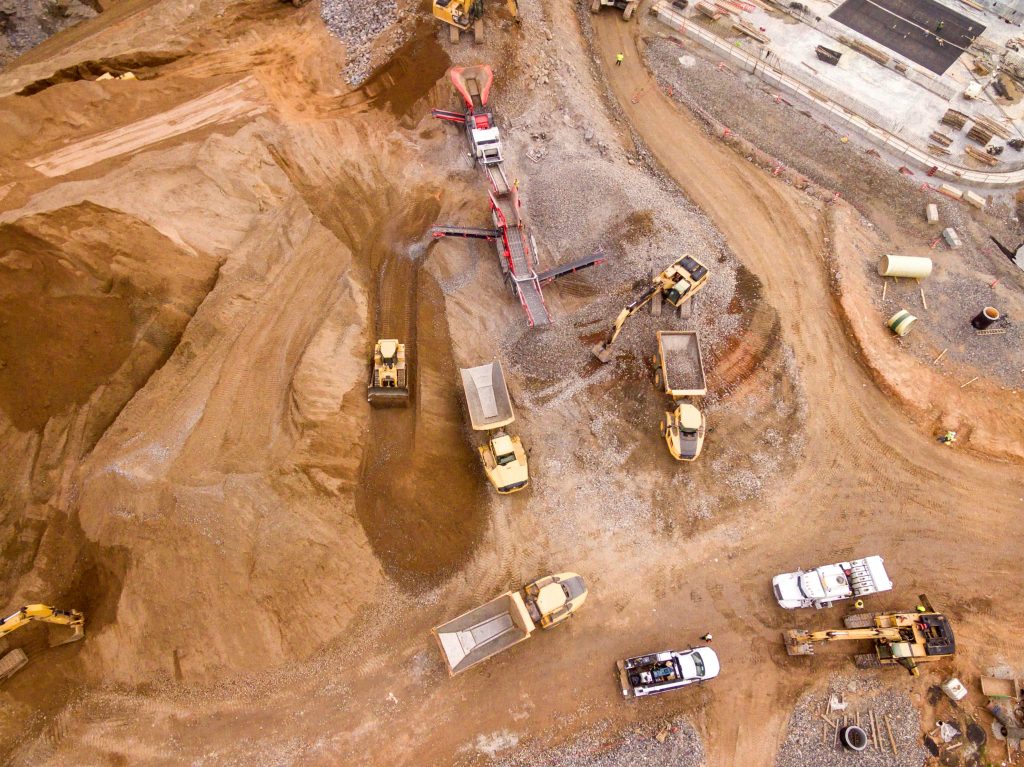
For most of the last century, mining felt like a distant industry, something happening underground, in remote corners of Africa, South America or Central Asia, disconnected from daily life in wealthy capitals. That perception was always something of an illusion, but it has become impossible to sustain. The minerals pulled from the ground today determine who can build electric vehicles, who manufactures semiconductors, who dominates artificial intelligence and who can equip a modern military. Lithium, cobalt, nickel, copper, graphite and rare earths now sit at the center of economic strategy and geopolitical rivalry.
It has become common to describe critical minerals as “the new oil.” Lisa Sachs, director of the Columbia Center on Sustainable Investment (CCSI) at Columbia University’s Climate School, pushes back on that framing. Having spent two decades advising governments and investors on resource governance, she points out that minerals were never peripheral to the global economy in the first place. They sit at the heart of energy systems, defense industries, advanced manufacturing and now the batteries and semiconductors that power the clean energy transition and the AI boom. What has changed is not their importance, but our attention to it.
The attention brings scrutiny, and scrutiny reveals this pattern: countries rich in natural resources very often stay poor. Economists have a tidy name for this, the “resource curse,” but Sachs argues the term is narrower than the reality it is meant to describe. The real story is not simply that resource exports crowd out other productive sectors. It is that the wealth beneath the ground has rarely translated into the human capital, infrastructure and well-being that should logically follow from it. After twenty years of building progressively more sophisticated governance frameworks, fiscal regimes and community benefit-sharing models, Sachs is candid about the result, it is difficult to name mining communities that are demonstrably better off for having a mine nearby. That, she says, is a hard truth the field has had to confront.
Her explanation is that resource governance has too often been treated as a self-contained problem, solvable with better contracts or cleaner permitting processes. In practice, it is inseparable from international finance, geopolitics and the basic inequities of the global economic order. A mining community’s fate depends not just on the terms of a concession, but on whether a country can borrow affordably, whether profits are legally routed through offshore tax havens and whether foreign embassies are actively pressuring the host government to honor contracts that primarily benefit outside investors. WikiLeaks cables, along with the Panama and Paradise Papers, have exposed how much of this operates in plain sight, and how much of it is technically legal. Diplomatic missions exist, in part, to defend their home country’s commercial interests abroad. That is not a scandal in the conventional sense, it is simply how the system works, which is precisely why it is so hard to reform.
Recent reporting on a major tungsten project in Kazakhstan illustrates the point sharply. The project, which could receive substantial U.S. government financial support, has drawn attention because of investment ties to the family of President Trump and to relatives of a senior cabinet official, all of whom describe themselves as passive investors and deny any impropriety. Whatever one concludes about that particular case, it raises a governance question that extends well beyond any single administration, when a government designates a mineral project as strategically important, helps negotiate access and backs it with public money, should the families of the officials making those decisions be permitted to hold a financial stake in the outcome? The question is not unique to any one country, as it reflects a structural vulnerability that exists wherever resource strategy and personal or political interest can intersect.
Against this backdrop, the current wave of resource nationalism, and the push toward “friend-shoring” mineral supply chains among the U.S., Europe and their allies, deserves a more careful read than the headlines usually give it. When developing countries seek to capture more value from their own resources through higher royalties, local processing requirements or renegotiated contracts, investors have long warned this will scare off capital. Sachs’s research suggests otherwise, as long as such reforms are reasonable, investment tends to stay. The more troubling dynamic, in her view, is the opposite one, wealthy nations scrambling to lock up their own secure mineral supply chains. That impulse is understandable, but it risks tipping the world into a zero-sum contest over resources, exactly when cooperation is what the moment demands.
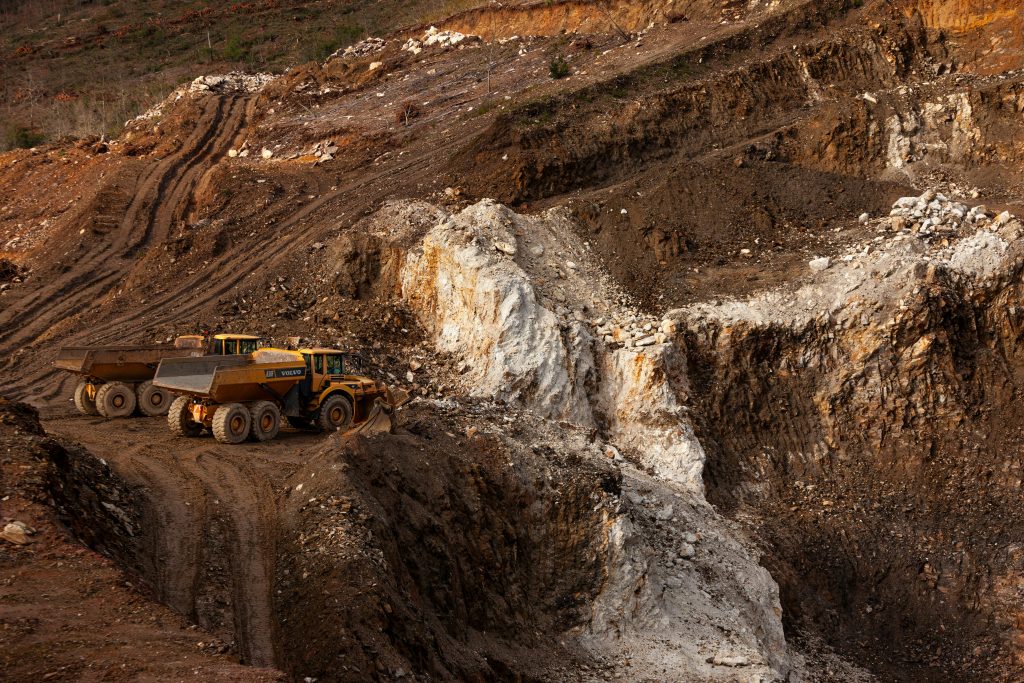
There is, however, an opportunity buried in the disruption. Historically, raw materials extracted from the developing world carried little value on their own, the real value was captured downstream, in processing and manufacturing, which happened wherever energy was cheap and reliable and markets were close by, rarely the countries where the minerals were mined. The falling cost of renewable energy, combined with growing domestic demand for batteries and clean technologies in mineral-rich regions, means that dynamic no longer has to hold. Processing near the mine, and building competitive clean energy industries in sub-Saharan Africa, Southeast Asia and Latin America, is increasingly feasible in a way it simply was not a generation ago.
Realising that opportunity will require companies and governments to abandon a familiar but flawed approach to risk, one where community opposition is treated as a public relations problem to be managed rather than a legitimate response to unequal value distribution. Communities that host a mine but see its output exported to build smartphones and electric vehicles for markets thousands of miles away are not being irrational when they resist. They are asking, reasonably, where their share of the value has gone.
