Is the 2026 World Cup a Case of Sportswashing?
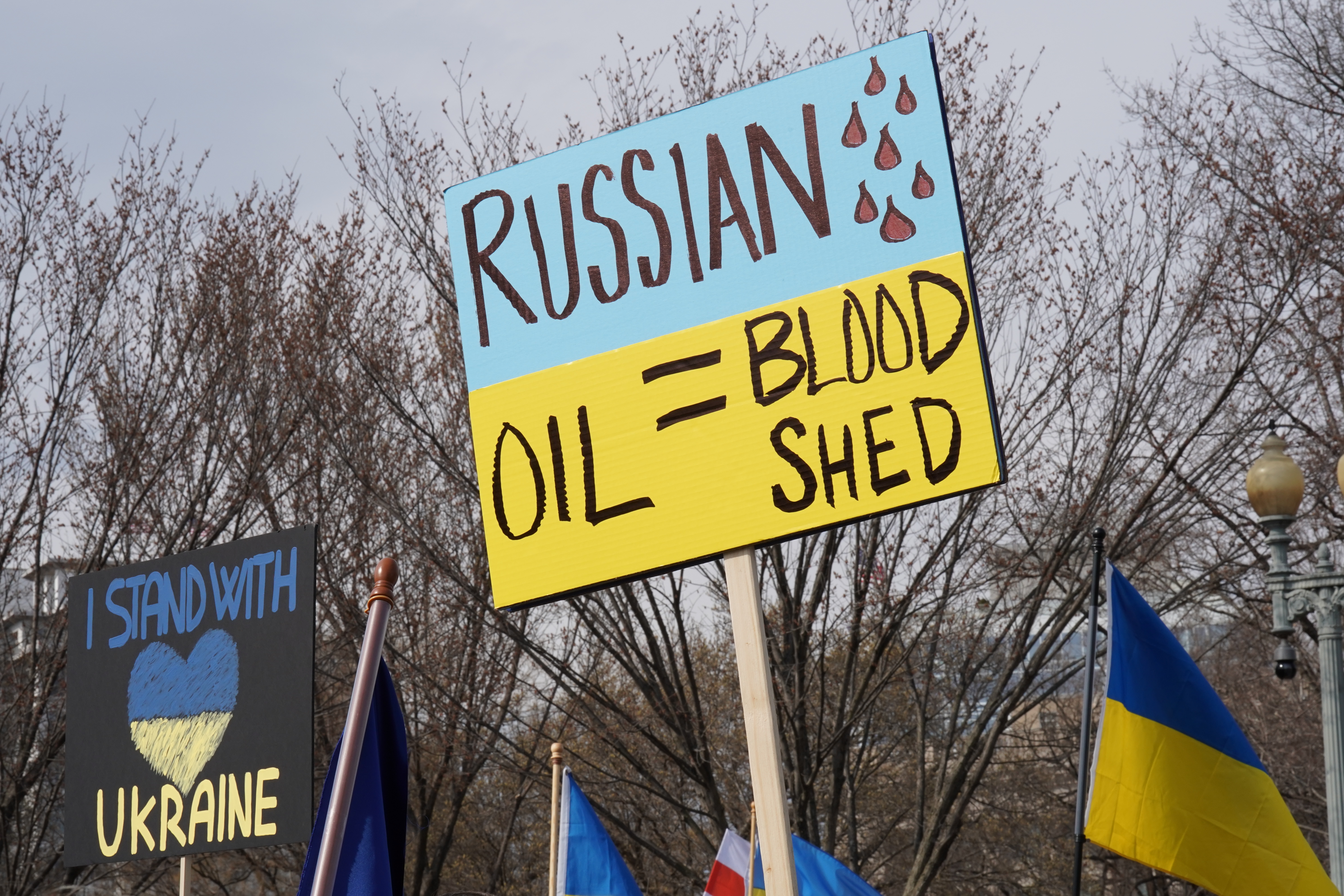
Sportswashing has become one of the most reached-for words in modern sports journalism, shorthand for the practice of using sponsorships and mega-events to distract from a state’s less flattering reputation. It is a word almost always aimed outward, at Gulf monarchies buying up European football clubs, at China’s Olympic ceremonies or at Russia’s staging of a World Cup while annexing Crimea. On this episode of The International Risk Podcast, Dominic spoke to Professor Simon Chadwick about what happens when that same word is turned toward the world’s most powerful democracies rather than away from them, a question the 2026 FIFA World Cup, jointly hosted by the United States, Canada and Mexico, has made impossible to avoid.
FIFA World Cup 2026: Built on a Blind Spot
Sportswashing is usually treated as a symptom of authoritarian government. A regime with no free press and no electoral accountability using sport to manufacture consent abroad because it cannot easily manufacture legitimacy at home. That framing is not wrong, but it is incomplete, and it has encouraged a double standard in how commentators and journalists decide which countries deserve the label. Chadwick’s own research, which sits within a broader field studying the geopolitical economy of sport, points out that the term itself has tended to be coined and applied from within the Global North, trained on Gulf states and China while rarely turned with equal rigor on Western countries. The practice the word describes, meanwhile, is centuries older than the vocabulary. Colonial administrators spread cricket across South Asia partly to cultivate loyalty and distract from the realities of imperial rule, a use of sport for reputational management that predates the Gulf states’ sovereign wealth funds by over a century.
This history reframes sportswashing as a structural feature of how states relate to sport, rather than a pathology unique to a handful of regimes. If that is true, then a tournament hosted by three democracies with their own significant unresolved problems, from cartel violence and press freedom in Mexico to unresolved Indigenous rights issues in Canada to an increasingly aggressive immigration enforcement apparatus in the United States, is not obviously exempt from the same analysis simply because none of the three governments involved is often treated as an authoritarian state.
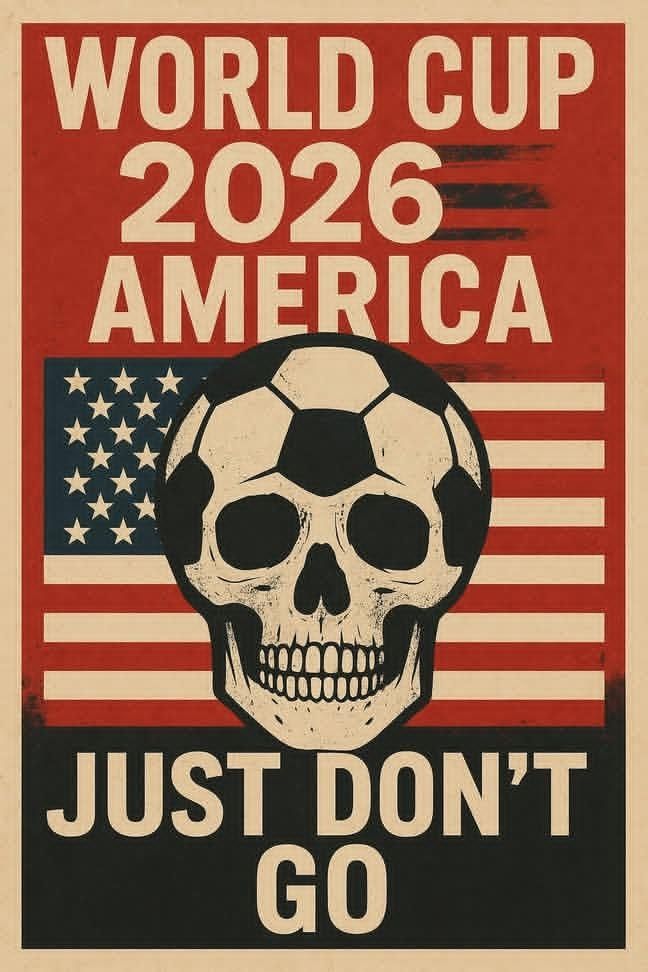
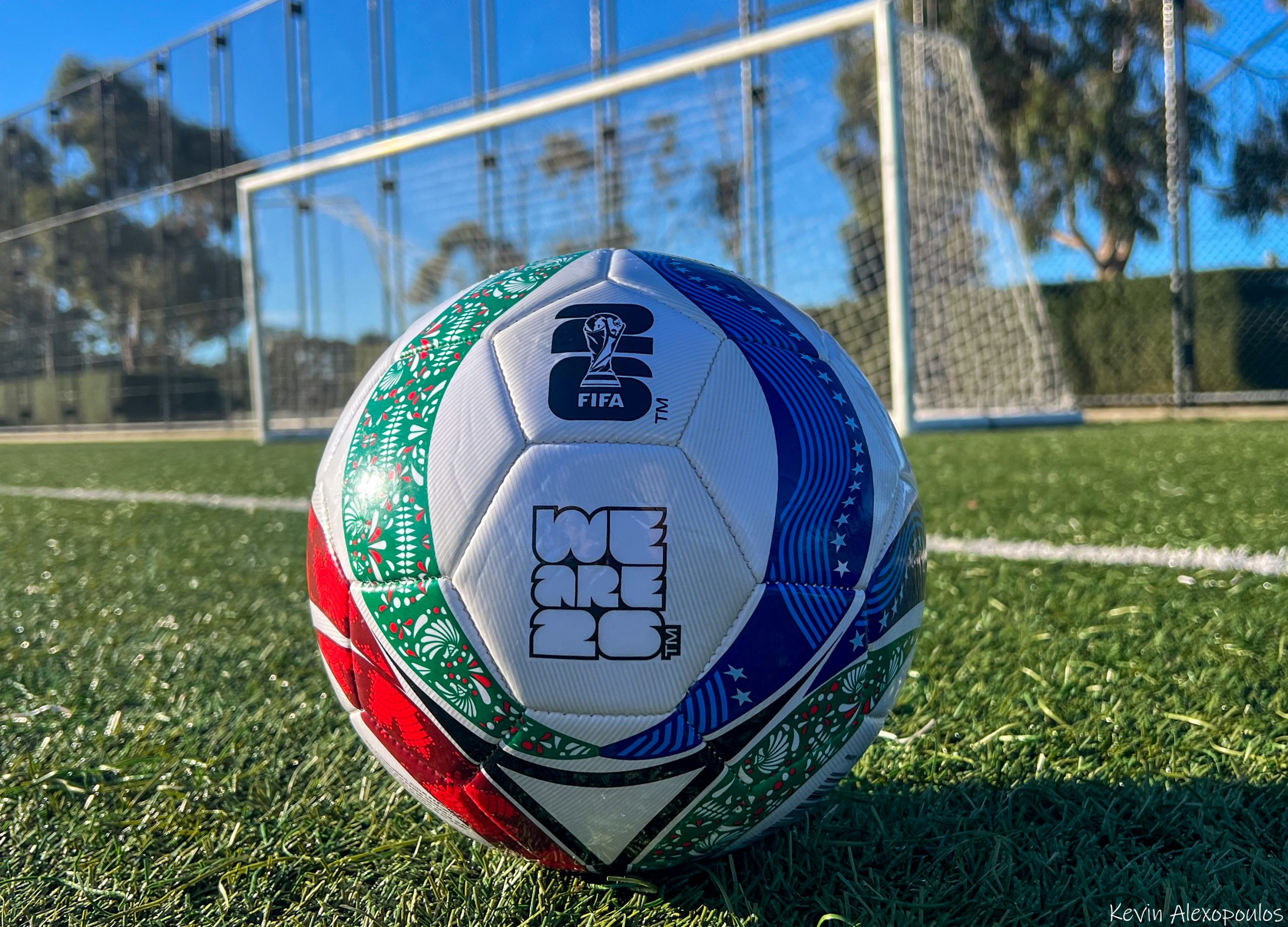
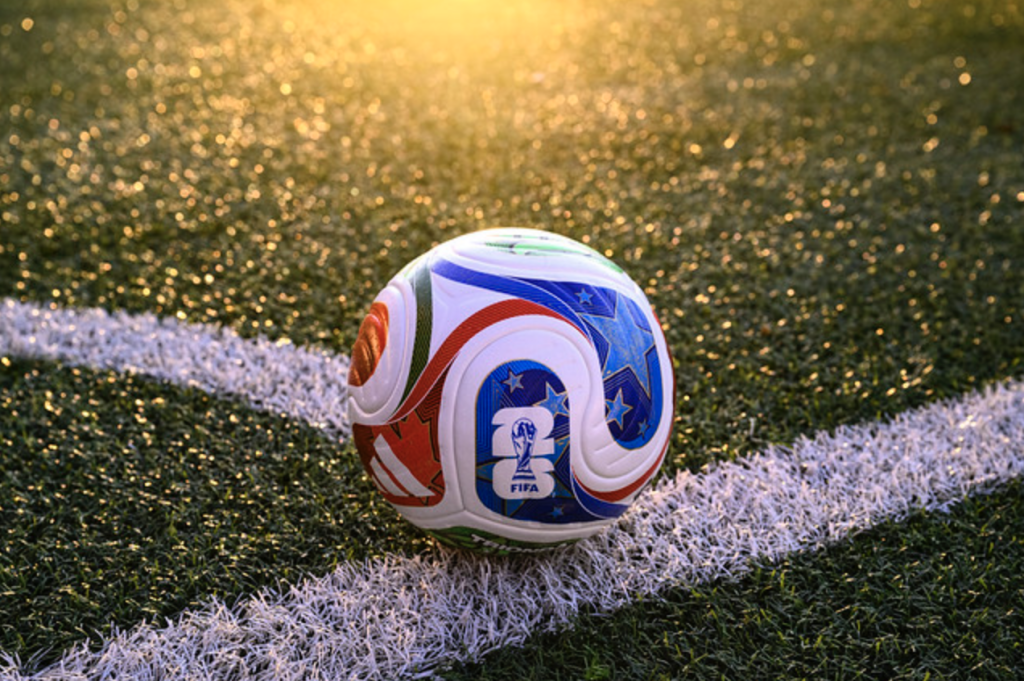
What makes 2026 different from previous editions is not just its scale, though the tournament’s 48 teams and 104 matches across 16 cities make it the largest World Cup ever staged. It is the fact that the tournament’s political backdrop shifted dramatically after hosting rights were secured. The joint bid was originally pitched, and won, on a promise of continental cooperation and openness. By the time the opening matches were played, that promise sat uneasily alongside a trade war between the three co-hosts, a travel ban that has prevented citizens of several World Cup-qualified nations from attending matches on U.S. soil and reports of ICE enforcement activity near stadiums that have discouraged some international fans from traveling at all. Amnesty International has described conditions tied to immigration enforcement during the tournament period as a human rights emergency.
This gap between the unifying image a tournament projects and the harder political conditions surrounding it is what sportswashing critiques are designed to interrogate when applied to authoritarian hosts. Chadwick’s point, made in the context of Mexico’s toll of violence against journalists and politicians and Canada’s own unresolved domestic reckonings, is that the same interrogation has rarely been applied with comparable seriousness to Western democracies, even when the underlying pattern, image management running ahead of political reality, looks remarkably similar.
The Economics of the 2026 World Cup
Part of what makes mega-events useful instruments of reputation management, rather than purely commercial ventures, is that the financial case for hosting them is often thin. FIFA itself retains the overwhelming majority of tournament revenue through centralised sponsorship and broadcasting deals, while host cities and nations are generally left with a GDP uplift of well under one percent, offset against enormous public investment in stadiums, security and infrastructure. If the direct economic return is modest, the incentive to host lies in the international validation a growing football market like the United States gains from staging the world’s biggest tournament, and in the softer benefit of having a country’s global image tied to celebration rather than controversy. Dynamic ticket pricing, which has produced final-match tickets reportedly running into the thousands of dollars, and FIFA’s decision to award its first-ever Peace Prize to President Trump, have only sharpened the sense that the tournament’s commercial and political dimensions are now inseparable from each other.
What does this mean for the 2026 World Cup?
None of this proves that the United States, Canada and Mexico are sportswashing the 2026 World Cup in any settled sense. What it does suggest is that sportswashing, as a critical framework, has so far been applied unevenly, readily to Doha and Riyadh, rarely to Washington or Ottawa, even though the underlying dynamics of selective scrutiny and rapid public forgetting once the football begins look strikingly consistent regardless of who is hosting. Chadwick’s broader point is less about condemning any one tournament than about deconstructing what it means to “sportswash” in the first place. Fittingly, the pattern he describes is already playing out: talk of travel bans, ICE enforcement and human rights concerns has noticeably quietened now that the matches are underway, exactly the slowdown his three-phase cycle of scrutiny would predict.