
The Iran War’s Hidden Front: Carbon, Fire and the Cost of Modern Warfare
When missiles strike refineries and cities burn, the damage is measured in casualties and territory. Far less visible is another front line: the atmosphere.
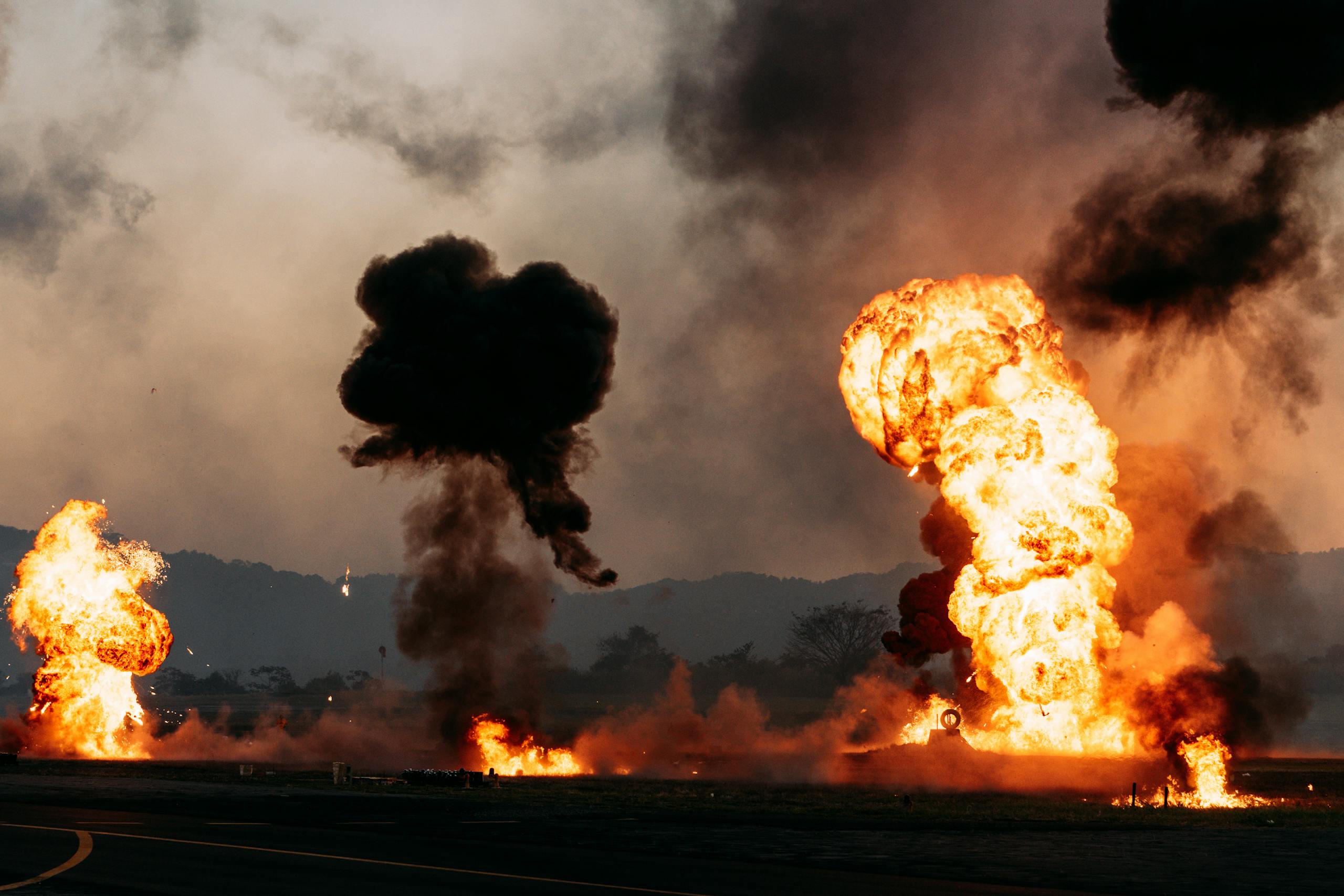
In the first 14 days of the conflict involving Iran, an estimated 5 million tonnes of CO₂-equivalent emissions were released, roughly comparable to the annual footprint of a small state, and more carbon pollution than Iceland unleashes in a year. Figures like this capture only part of the story. Across Iran and the Gulf, the war is generating a surfeit of environmental shocks: oil fires, toxic plumes, contaminated water systems and ecological degradation that could last decades.
Taken together, these are not isolated side effects of war but a magnified environmental shock. This is becoming harder to ignore: modern conflict is concentrating emissions, pollution and ecological damage into short, intense bursts with consequences largely absent from policy and climate accounting.
Cities on Fire, Carbon in the Air
For decades, the environmental cost of war sat in a statistical blind spot. It is only recently, following attempts to quantify emissions in Gaza and Ukraine, that researchers have begun building real-time models using satellite imagery, open-source intelligence and military data.
In the absence of stable ground-level reporting, analysts rely on satellite-detected fire activity, strike density, and damage assessments to estimate the scale of urban destruction. What emerges is not a single catastrophic event, but a sustained pattern of high intensity strikes across dense urban and industrial zones, each generating concentrated bursts of emissions.
Some of the clearest signals come from large-scale combustion events. Fires at fuel depots such as Shahran, on the outskirts of Tehran, burned for days, releasing dense plumes of smoke visible from space. Incidents like this act as focal points of emissions, combining stored urban carbon with active fuel combustion.
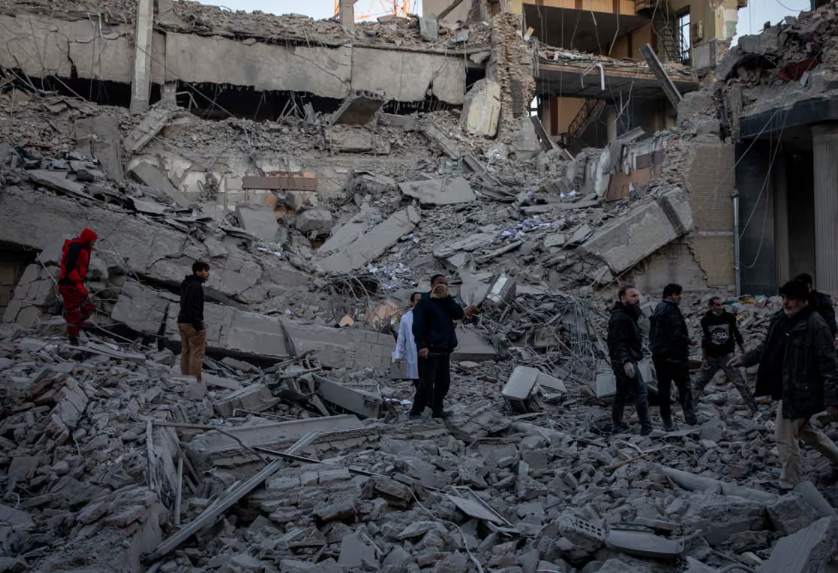
Roughly 2.4 million tonnes of CO₂-equivalent emissions have been attributed to urban destruction and associated fires. This is not just from the primary collapse of buildings, but the knock-on effects that follow: prolonged burning, debris clearance, and the energy required to sustain continuous bombardment.
The scale of military activity is equally conspicuous. Analysts estimate more than 6,000 targets were struck in the opening 14 days of the war, alongside the deployment of over 1,000 missiles and 2,000 drones. Each sortie carries a carbon cost, fuel combustion, logistics, and supply chains compressed into a matter of days.
Oil, Gas, and the Weaponisation of Infrastructure
If urban destruction releases stored carbon, attacks on energy infrastructure actively generate it.
Strikes on fuel depots near Tehran, damage to gas facilities linked to the South Pars Field, and repeated incidents involving tankers in the Strait of Hormuz have triggered sustained fires and leaks. Some fuel depot fires have burned for days, releasing thick plumes of black carbon and toxic particulates.
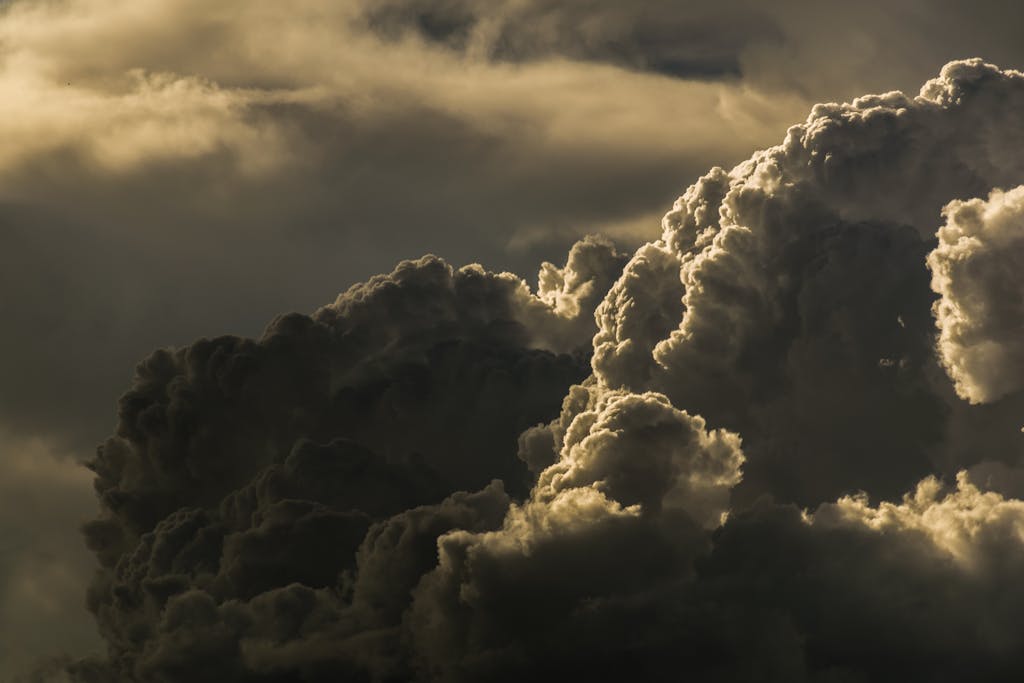
Researchers tracking the conflict have identified hundreds of pollution incidents linked to oil and gas infrastructure. In Tehran, reports of “black rain”, caused by soot and chemical residues mixing with moisture, have raised concerns about immediate health impacts. Similar phenomena were observed in Kuwait during the 1991 Gulf War.
At sea, oil spills from damaged vessels have threatened fragile marine ecosystems, including mangroves and fisheries that support coastal economies. Pollution in the Gulf does not remain contained; currents and wind patterns carry it across the borders.
A Toxic Legacy that Outlasts the Fighting
Beyond the fires lies a slower, more persistent threat. Airstrikes on industrial zones and military sites release a mix of heavy metals, hydrocarbons and long-lived chemicals that settle into soil, water, and food systems.
Pollutants like these do not dissipate quickly. Substances such as dioxins and per- and polyfluoroalkyl substances (PFAS), often referred to as “forever chemicals”, can remain in the environment for years, accumulating in crops, livestock, and human bodies.
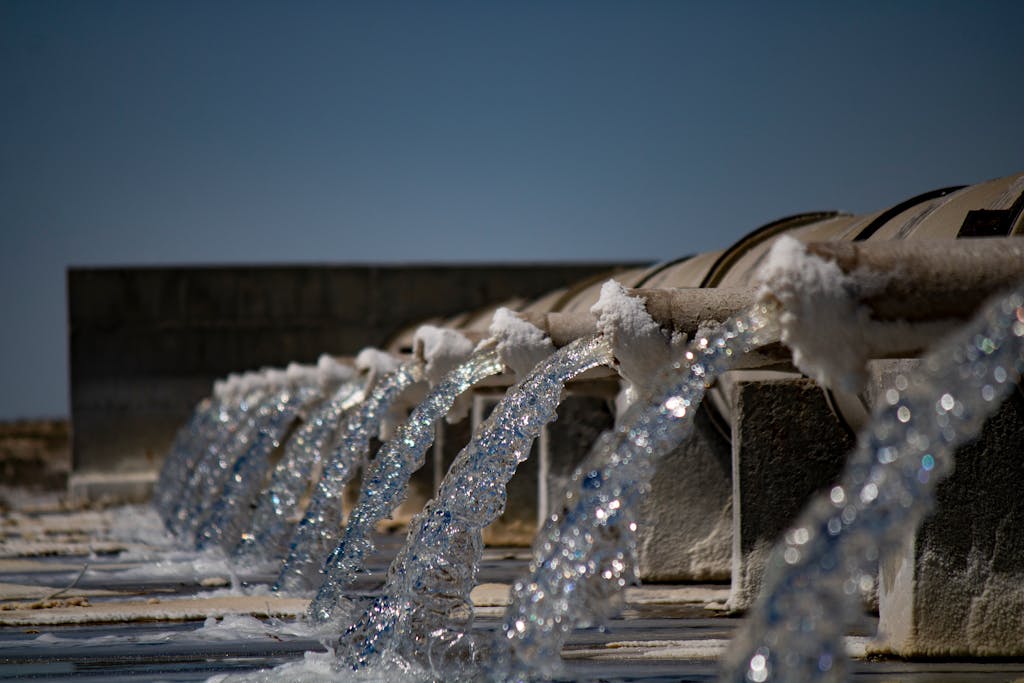
Water systems are particularly exposed. Iran and the wider Gulf region already face chronic water stress, relying heavily on desalination and tightly managed supply networks. Around 70-90% of the Gulf’s drinking water is desalinated. Damage to treatment plans or pipelines introduces new vulnerabilities, with potential consequences for millions.
Unmeasured Risk: The Emissions No One Counts
Despite mounting evidence, the climate impact of war remains largely absent from official accounting. Military emissions are only partially reported to international bodies such as the UNFCCC, and conflict-related emissions are rarely included in national inventories. The result is a persistent gap between what is produced and what is recorded.
Current estimates suggest military activity accounts for around 5-6% of global greenhouse gas emissions, but this excludes the sharp surges generated during active conflict. In wars like this one, emissions equivalent to those of entire countries can be released in a matter of weeks without ever appearing in formal climate reporting.
This is a climate blind spot. While civilian industries face growing pressure to decarbonise, military systems operate with broad exemptions justified by national security concerns. The emissions are measurable, but politically marginal.
Regional Fallout and Global Consequences
The environmental effects of the war are not confined to Iran’s borders. They vibrate outward through ecosystems, economies, and energy markets, as we discussed on a recent the International Risk Podcast episode.
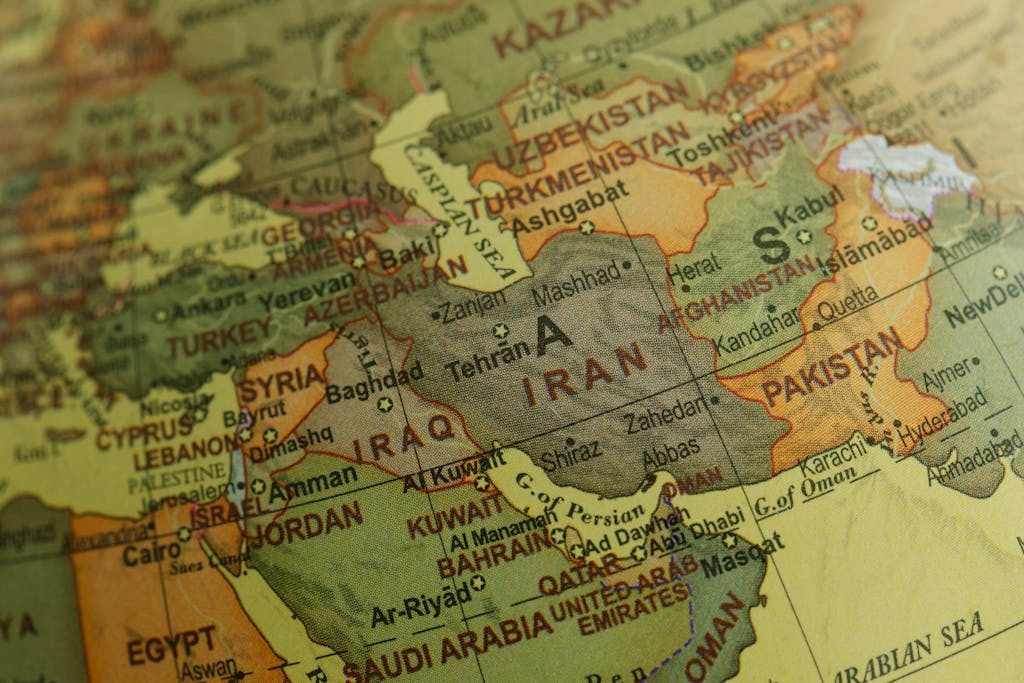
In the Gulf, pollution from oil fires and maritime incidents is spreading across shared waters, affecting neighbouring countries and critical shipping routes. These ecosystems are already under strain from warming temperatures and industrial activity, leaving little capacity to absorb additional shocks.
Disruptions to supply routes, particularly through the Strait of Hormuz, have triggered price volatility and precautionary stockpiling. In some cases, countries are reverting to more carbon-intensive fuels to secure supply, fortifying dependence on fossil energy.
Then comes the aftermath. Wars do not end when the fighting stopes. Reconstruction, rearmament and supply chain mobilisation engender a second wave of emissions, often larger than the first. Rebuilding cities and replenishing military stockpiles carry a heavy carbon cost.
The numbers are still incomplete, but the direction is clear.

One Comment