Episode 368: Shadow Policing and Transnational Repression: China’s Global Campaign Against Critics with Sam Goodman

In this episode, we host Sam Goodman to explore China’s global campaign of transnational repression, shadow policing, and pressure against critics abroad. Drawing on his work on Hong Kong, UK-China relations, sanctions, the BN(O) community, and economic transnational repression, Sam explains how Chinese and Hong Kong authorities project power beyond their borders through surveillance, diaspora intimidation, legal…

Sam Goodman

Sam Goodman

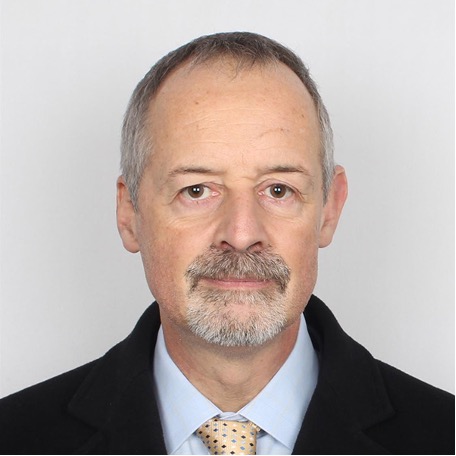
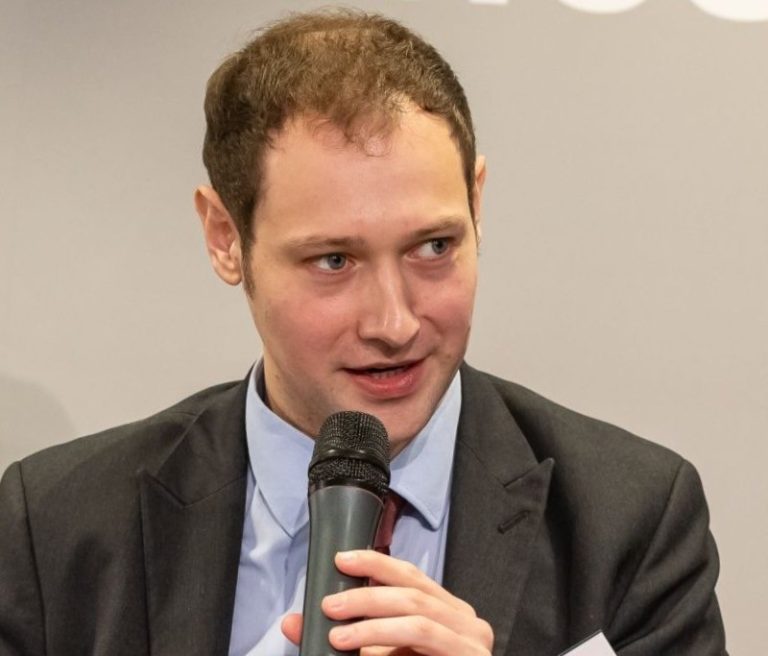
Sam Goodman is a leading expert on China, Hong Kong, UK-China relations, transnational repression, and the risks posed by authoritarian influence abroad. He is Senior Policy Director at the China Strategic Risks Institute, where his work examines the strategic, political, economic, and security challenges posed by the rise of the People’s Republic of China. He…

Dr Giulia Gallo

Dr Giulia Gallo

Dr Giulia Gallo is a postdoctoral scientist in the Viral Glycoproteins Group at the The Pirbright Institute. Her research sits at the intersection of molecular virology, viral-host interactions, viral entry, innate immunity, and zoonotic spillover. Her published work includes research on orthohantaviruses, viral glycoproteins and the mechanisms that shape how viruses interact with human and…

Hantavirus is serious. That does not make it the next pandemic.

Hantavirus is serious. That does not make it the next pandemic.

When a virus linked to a cruise ship begins appearing in global headlines just a few years after the COVID-19 pandemic, public anxiety is almost inevitable. The MV Hondius outbreak had all the ingredients of a modern health scare: an unfamiliar pathogen spreading in a confined space amongst international passengers, requiring quarantine measures, repatriation and contact…

Episode 367: From Rodents to Cruise Ships: Hantavirus and the Risks of a Hyperconnected World with Dr Giulia Gallo

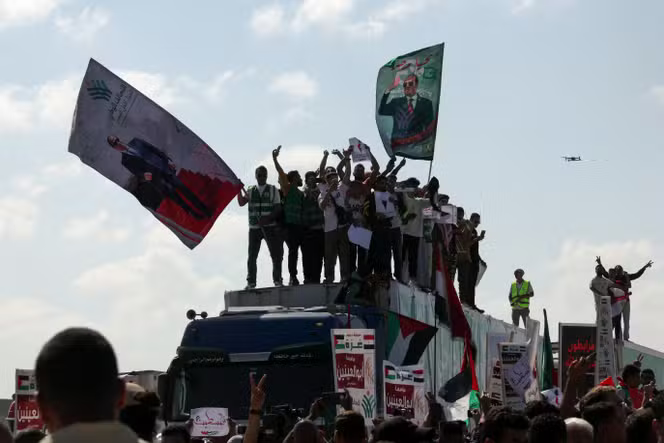
In this episode, we host Dr Giulia Gallo to explore hantavirus, the recent MV Hondius cruise ship outbreak, and why a rare but serious infectious disease can generate global headlines without necessarily becoming a pandemic-style threat. Drawing on her work in molecular virology, viral-host interactions and viral glycoproteins at The Pirbright Institute, Dr Gallo explains what hantaviruses are,…

Episode 358: The Long Arm of Tehran: Proxies, Criminals and State-Backed Threats with Edmund Fitton-Brown

In this episode, we host Edmund Fitton-Brown to explore how Iran projects power beyond its borders through proxies, criminal networks, intelligence services, and deniable operations. Drawing on his experience as a former British Ambassador to Yemen and former senior United Nations expert on ISIS, al-Qaeda and the Taliban, Edmund explains why Iran’s external operations cannot…

Edmund Fitton-Brown

Edmund Fitton-Brown

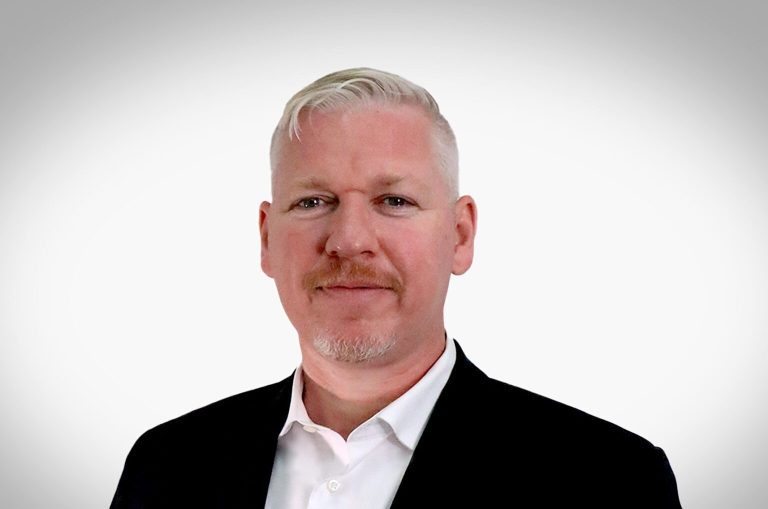
Edmund Fitton-Brown is a former British diplomat, counterterrorism specialist, and one of the leading British voices on terrorism, Iran, proxy warfare, and Middle East security. He is currently a Senior Fellow at the Foundation for Defense of Democracies, where his work focuses on Arabian Peninsula issues, terrorism, and its enablers. He is also a Senior…

Dr Colin P. Clarke

Dr Colin P. Clarke

Dr Colin P. Clarke is one of the leading analysts of contemporary terrorism, with particular expertise in how violent organisations adapt under pressure, finance themselves, build international reach, and intersect with organised crime, proxy warfare, and geopolitics. Dr Clarke currently serves as Executive Director of The Soufan Center, having previously held roles as Director of…

Episode 353: Terrorism Rewired: AI, Crime-Terror Networks and the New Global Threat Landscape with Dr Colin P. Clarke

In this episode, we host Dr Colin P. Clarke to explore how terrorism is evolving in an era of AI, organised crime, proxy warfare, and great power competition. Drawing on decades of work on terrorism, insurgency, illicit finance, and political violence, Dr Clarke explains why today’s threat landscape is no longer defined solely by hierarchical jihadist organisations,…

Terrorism Rewired: Why Today’s Threat Landscape Is More Fragmented, Criminalised, and Global Than Ever

Terrorism Rewired: Why Today’s Threat Landscape Is More Fragmented, Criminalised, and Global Than Ever

Written by Edward Penrose – 24.04.2026 For security leaders, policymakers, and risk professionals, the most dangerous mistake today is to assume that terrorism is receding simply because some of its older forms have weakened. Terrorism is not disappearing; instead, it is mutating. What analysts previously perceived as a relatively bounded problem of distinct organisations and…