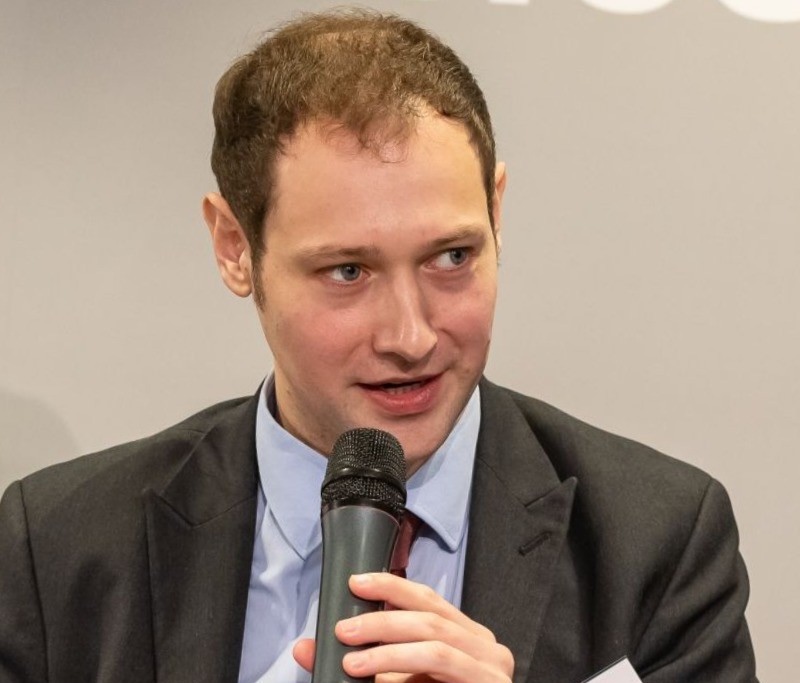
Sam Goodman
Sam Goodman is a leading expert on China, Hong Kong, UK-China relations, transnational repression, and the risks posed by authoritarian influence abroad. He is Senior Policy Director at the China Strategic Risks Institute, where his work examines the strategic, political, economic, and security challenges posed by the rise of the People’s Republic of China. He is also the co-founder of the New Diplomacy Project, a Labour-focused foreign policy think tank.
Goodman was previously Policy and Advocacy Director at Hong Kong Watch, where he worked extensively on Hong Kong, sanctions, the British National (Overseas) community, and international responses to the Hong Kong National Security Law. His work has focused especially on how Chinese and Hong Kong authorities seek to control, intimidate, or silence overseas critics, including Hong Kongers, dissidents, activists, and diaspora communities living in democratic states. At the China Strategic Risks Institute, his recent research has examined economic transnational repression: the use of financial pressure, bank accounts, pension access, professional qualifications, tax claims, compliance systems, and pressure on family members to coerce dissidents abroad.
Before moving into think-tank and advocacy work, Goodman worked as a political adviser to the UK Labour Party and as a parliamentary researcher. He is the author of The Imperial Premiership: The Role of the Modern Prime Minister in Foreign Policymaking 1964–2015, a study of the role of modern British prime ministers in foreign-policy decision-making.
Goodman is a regular commentator on issues relating to China, Hong Kong, British foreign policy, transnational repression, sanctions, and democratic resilience. Through his work at the China Strategic Risks Institute, the New Diplomacy Project, and his previous role at Hong Kong Watch, he has become an important voice in debates about how democratic governments should respond to Chinese state-linked activity abroad while protecting open societies, public institutions, and vulnerable communities.