Hantavirus is serious. That does not make it the next pandemic.

Hantavirus is serious. That does not make it the next pandemic.

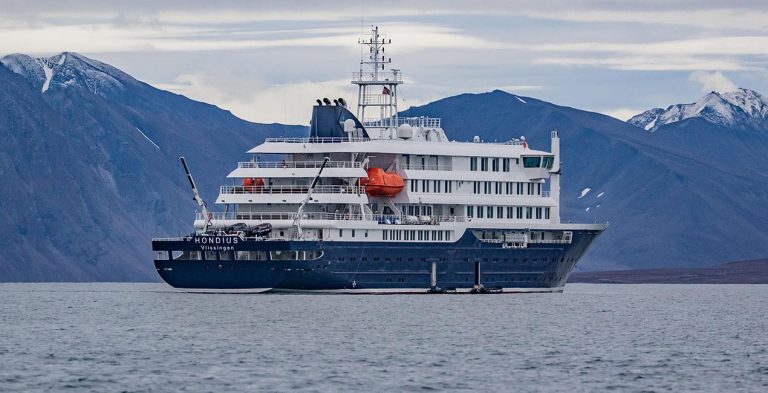
When a virus linked to a cruise ship begins appearing in global headlines just a few years after the COVID-19 pandemic, public anxiety is almost inevitable. The MV Hondius outbreak had all the ingredients of a modern health scare: an unfamiliar pathogen spreading in a confined space amongst international passengers, requiring quarantine measures, repatriation and contact…
Episode 367: From Rodents to Cruise Ships: Hantavirus and the Risks of a Hyperconnected World with Dr Giulia Gallo

In this episode, we host Dr Giulia Gallo to explore hantavirus, the recent MV Hondius cruise ship outbreak, and why a rare but serious infectious disease can generate global headlines without necessarily becoming a pandemic-style threat. Drawing on her work in molecular virology, viral-host interactions and viral glycoproteins at The Pirbright Institute, Dr Gallo explains what hantaviruses are,…

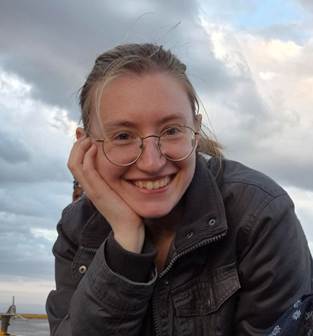
Dr Giulia Gallo

Dr Giulia Gallo

Dr Giulia Gallo is a postdoctoral scientist in the Viral Glycoproteins Group at the The Pirbright Institute. Her research sits at the intersection of molecular virology, viral-host interactions, viral entry, innate immunity, and zoonotic spillover. Her published work includes research on orthohantaviruses, viral glycoproteins and the mechanisms that shape how viruses interact with human and…

The International Risk Podcast and crisis management

The UAE Exit from OPEC: Geopolitics, Energy Security, and the Shifting Gulf Balance

The United Arab Emirates’ decision to leave OPEC marks one of the most significant shifts in Gulf energy politics in recent years. While the move is partly rooted in oil production and market strategy, it also reflects much deeper changes taking place across the Middle East and the international system itself. Why the UAE Left…

Dr Dania Thafer

Dr Dania Thafer

Dania Thafer is the Executive Director of the Gulf International Forum, a Washington, D.C.-based think tank focused on political, economic, social, and security developments across the Gulf Cooperation Council (GCC) states, as well as Iran, Iraq, and Yemen. She also serves as a Professorial Lecturer at the Georgetown University School of Foreign Service Center for…

Episode 366 : The UAE Exit from OPEC: Geopolitics, Energy Security, and the Shifting Gulf Balance

The Gulf is entering a period of profound geopolitical and economic uncertainty. As tensions around the Strait of Hormuz continue and global energy markets face mounting pressure, the United Arab Emirates has taken the extraordinary decision to leave OPEC, raising major questions about the future of energy coordination, regional alliances, and global economic stability. Today…

James Denselow

James Denselow

James joined HALO in April 2024 as Global Head of Policy and Advocacy, and became Director of Strategy in August 2025. He has spent more than 20 years working on and in the Middle East, including time living in Syria and Lebanon. Prior to joining HALO, he worked at Chatham House, MAP, Crisis Action and…

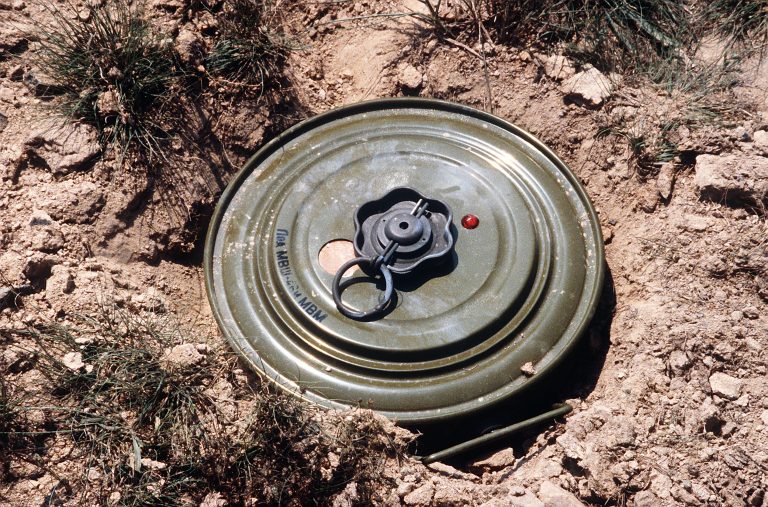
Episode 365: After the Fighting Stops: Landmines, Recovery and the Cost of Conflict with James Denselow and The HALO Trust In this episode we explore the lasting impact of landmines. Across Ukraine, Syria, Myanmar, Afghanistan, and dozens of other conflict-affected countries, landmines and unexploded ordnance continue to kill, injure, and displace civilians long after wars…

After the Fighting Stops: Landmines, Recovery and the Cost of Conflict

After the Fighting Stops: Landmines, Recovery and the Cost of Conflict

Wars do not end when the shooting stops. Across Ukraine, Syria, Myanmar, Afghanistan, and dozens of other conflict affected regions, communities continue to live with the hidden legacy of violence buried beneath their feet. Landmines, unexploded artillery shells, cluster munitions, and improvised explosive devices remain active long after ceasefires, peace agreements, or military withdrawals. In…

Episode 364: Emerging Normalisation of Water Weaponisation in Modern Conflict with Dr. Marcus King

Across Ukraine, Gaza, Lebanon, Syria, Iraq, Yemen, and now the Gulf, water systems are no longer just collateral damage. They are becoming targets and tools of coercion. Dams, desalination plants, pumping stations, rivers, reservoirs, and electricity grids are being pulled into the battlespace, with civilians paying the highest price. This matters far beyond the battlefield….